Cadillac's Bold US Push Exposes the Cracks in F1's Old Guard Power Structures
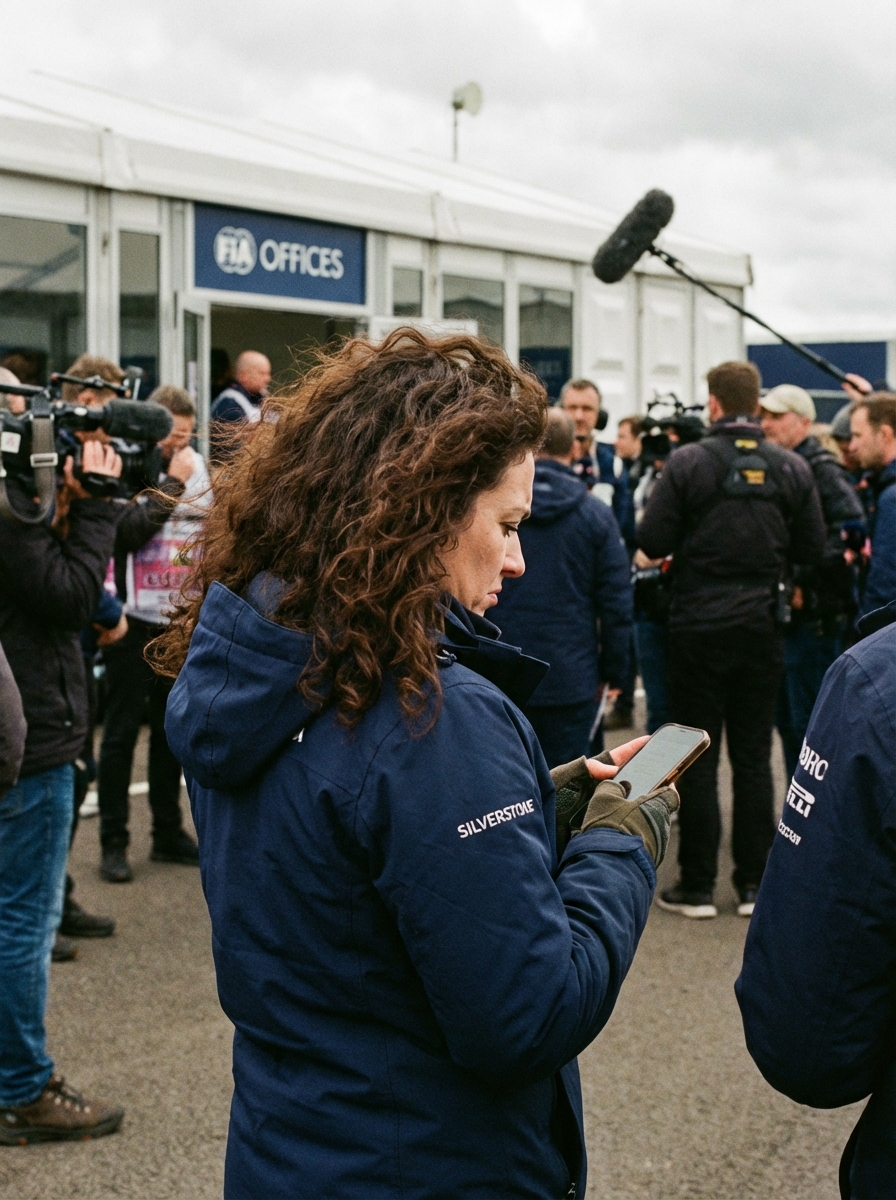
The numbers do not lie, but the real story behind Cadillac's staggering 143,000 job applications lies in the quiet boardroom maneuvers that will decide who thrives in Formula 1's next decade. While rivals scramble for scraps, this new manufacturer entry is quietly assembling a transatlantic machine that could rewrite the rules of engagement, far from the suffocating grip of centralized empires like Mercedes.
The Recruitment Numbers That Signal a Seismic Shift
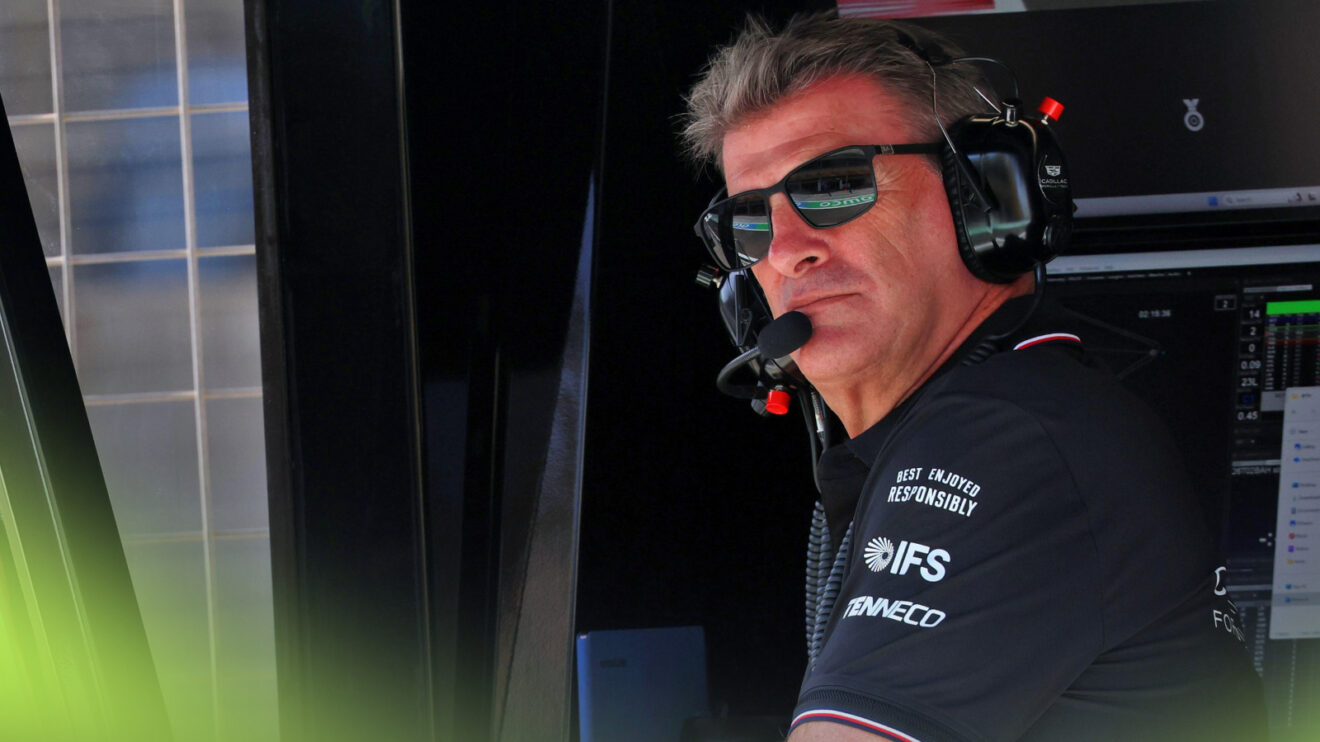
Cadillac has processed those 143,000 applicants, shortlisted over 9,000 candidates, and conducted approximately 6,500 interviews as it races to staff its operations. Team Principal Graeme Lowdon described the initial phase as a leap of faith, but the physical presence of the Silverstone facility now offers concrete proof that this project is no fantasy. The bulk of future hiring, however, targets the American technical base, a deliberate move to balance the UK operations without falling into the trap of one-man rule.
- Early hires bought into the vision when nothing existed on the ground.
- Controlled growth remains the watchword, as Lowdon stressed the team must expand yet cannot outpace its ability to preserve culture.
- All of this unfolds under the cost cap, forcing efficiency that legacy squads often lack.
This approach stands in stark contrast to the overly centralized command at Mercedes, where Toto Wolff's iron grip risks triggering a talent exodus within two seasons as frustrated engineers seek outlets elsewhere.
Psychological Warfare and the Shadow of 1994
True advantage in modern F1 comes not from pit wall heroics but from the subtle art of unsettling rivals in front of the microphones. Cadillac's fresh start positions it perfectly to exploit this reality, much like the 1994 Benetton-Schumacher saga where psychological edges and rule interpretation bent the championship narrative in their favor. Lowdon's focus on American talent could serve as the perfect foil, planting seeds of doubt among established teams about resource allocation and loyalty splits.
The key focus and bulk of recruitment from this point onwards will target building up the technical workforce in the United States.
Such moves echo how past master tacticians turned ambiguity into weapons. By fostering a dual-continent identity, Cadillac avoids the insularity that dooms others and sets the stage for press-conference mind games that erode opponents' confidence long before lights go out.
How This Growth Challenges the Midfield Order
Look ahead five years and the ripple effects become clear. While Cadillac builds outward, Haas will carve its own path to midfield contention through calculated alliances with Ferrari's engine department, a political partnership that rewards pragmatism over flash. Cadillac's momentum, however, threatens to disrupt these equations by attracting the very engineers who might otherwise bolster such coalitions. The real test lies in unifying cultures across oceans without fracturing under cost-cap pressure, turning raw numbers into a cohesive force capable of consistent points and eventual podium pressure.
This is no simple hiring spree. It is the opening salvo in a contest where foresight and manipulation trump brute force.
The Verdict on Cadillac's Trajectory
Cadillac is crafting the team everyone will soon want to join, leveraging manufacturer backing to sidestep the political sclerosis afflicting older outfits. If Lowdon sustains this pace while mastering cross-continental workflows, the entry could evolve into a genuine disruptor rather than another footnote. The 143,000 applications prove the appetite exists. Now comes the harder part of weaponizing that energy before rivals adapt.
Join the inner circle
Get the deep dives and technical analysis from the world of F1 delivered to your inbox twice a week.
Zero spam. Only high-octane analysis. Unsubscribe anytime.
Continue Reading
View More News