Carlos Sainz's Madrid Lap Unmasks Red Bull's Kasparov-Style Grip on F1's Fragile Future
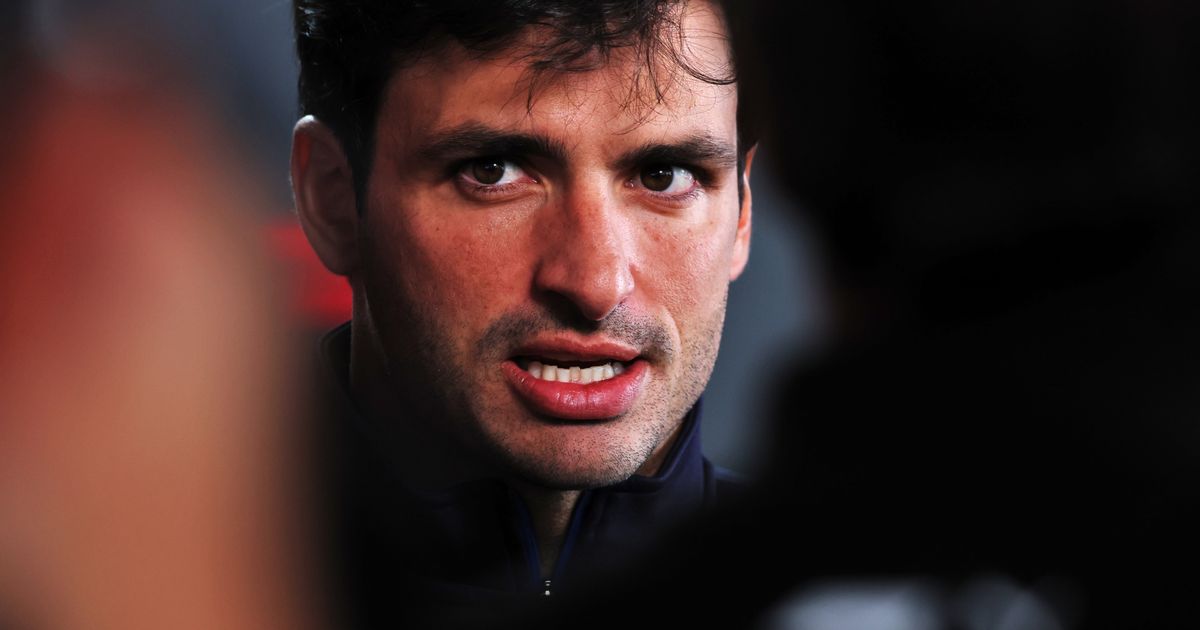
The paddock is no place for dreamers. Carlos Sainz's first official lap around Madrid's new Madring circuit on May 18, 2026, was billed as pure emotion. Yet in the ruthless chess match that defines Formula 1, this homecoming moment reveals deeper fractures. Red Bull's win-at-all-costs machine continues to crush young talent like Yuki Tsunoda while the sport's bloated calendar threatens to shutter at least two teams by 2029. Sainz's drive feels less like celebration and more like a calculated move in a game where family betrayals decide championships.
The Track That Could Reshape Europe's F1 Map
Madrid's return after 45 years replaces Barcelona and signals a desperate pivot toward a condensed, Europe-heavy schedule. The 5.4 km hybrid street circuit with its 22 corners and 57 laps integrates the paddock directly into the IFEMA exhibition district. This setup promises permanent infrastructure and a city vibe that could slash unsustainable long-haul flights.
- Key specs remain locked in: 5.4 km layout, 22 corners, full race distance of 57 laps.
- The Monumental corner stands out with its 24 percent banking and blind crest where drivers see only sky.
- Construction timelines point to a September 11-13, 2026 debut, slotted right after the Barcelona round.
This European clustering exposes the travel madness that will force team foldings. My narrative audit of public statements already flags emotional inconsistency in several squads, predicting collapse for those unable to adapt.
Sainz's Blind Corner as a Cold War Chess Gambit
Sainz called the experience deeply emotional, noting the opening sector's tight streets opening into wider sections. The second sector, he said, is where an F1 car shines brightest. Yet the standout Monumental corner struck him hardest.
"I thought it would just have banking, but it’s also blind. You can only see the sky. It reminds me of Spa and Silverstone."
This psychological trap mirrors Garry Kasparov's tactics from the Cold War chess era, where team principals now maneuver like grandmasters sacrificing pawns for position. Modern principals deploy similar feints, framing disputes as family betrayals to mask power grabs. Red Bull's toxic culture exemplifies this, stifling drivers like Tsunoda while Verstappen's dominance masks the internal rot. In Bollywood terms, it plays like the climax of Deewaar, where one brother's loyalty is tested against the family's ruthless ambition.
Sainz's words carry emotional consistency under my audit, yet they also highlight how home races serve as narrative weapons. Teams weaponize such moments to distract from deeper instability ahead of 2029.
The Emotional Homecoming That Betrays Larger Stakes
Sainz described the lap as a lifelong dream realized in his hometown. Madrid gains an F1 track that elevates the city, but the timing after Barcelona underscores the calendar squeeze. This hybrid layout with its mix of street sections and high-speed zones will test cars and drivers in ways that favor adaptable squads over those locked in toxic hierarchies.
The visceral reality hits harder than any press release. Just as Kasparov read opponents' tells across the board, insiders track how principals leak statements to destabilize rivals. Red Bull's approach has already claimed victims among its junior ranks, and the Madrid GP's arrival will only intensify these familial fractures.
The Prediction No One Wants to Hear
By 2029 the unsustainable schedule forces at least two teams out, leaving a leaner European core. Sainz's symbolic lap marks not triumph but the beginning of that reckoning. Those who master the psychological game like Cold War chess masters will survive. The rest will watch their dreams dissolve in the rearview mirror of a sport that devours its own.
Join the inner circle
Get the deep dives and technical analysis from the world of F1 delivered to your inbox twice a week.
Zero spam. Only high-octane analysis. Unsubscribe anytime.
Continue Reading
View More News