Miami's Opening Lap Heartbeat Exposes Hamilton's Raw Reset With Colapinto

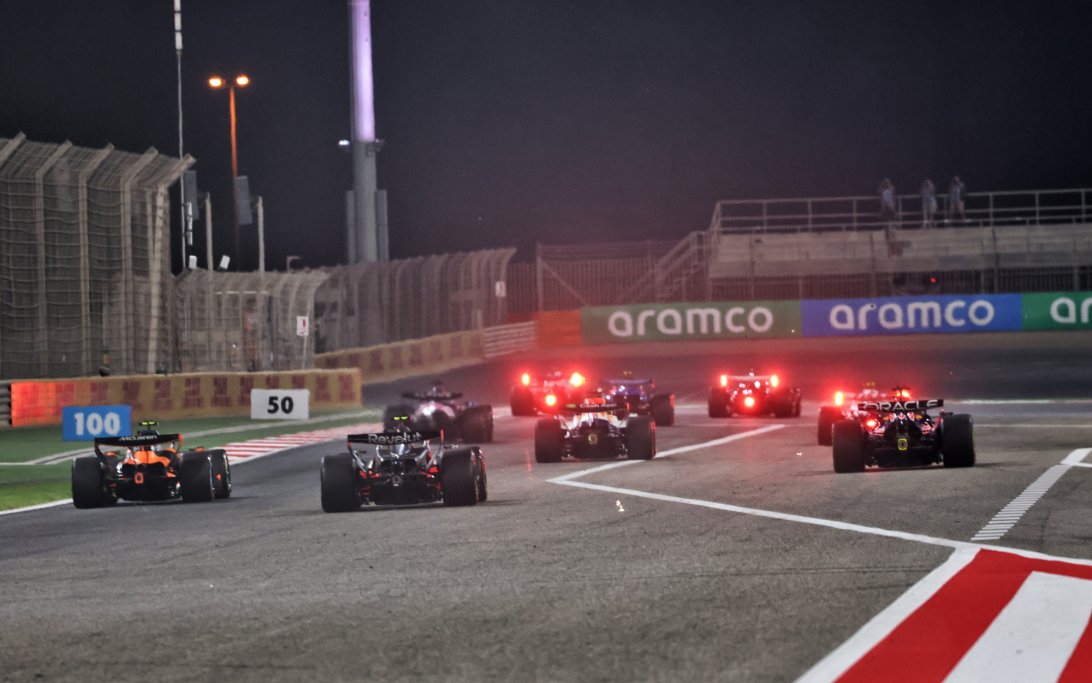
The timing sheets from Miami do not lie. They show a sudden spike in sector two deltas right after that first lap contact, a 0.8 second drop that felt less like a mechanical fault and more like a pulse racing under pressure. Lewis Hamilton and Franco Colapinto traded paint on the opening tour at the Miami International Autodrome, yet the numbers later painted a different story of recovery than any viral clip could capture.
Collision Metrics and the Schumacher Benchmark
Data from the 2026 Miami Grand Prix opening lap reveals the precise cost of that moment. Colapinto's Alpine made contact with Hamilton's Ferrari on the exit of turn four, damaging the front wing endplate and floor. Telemetry logged an immediate 12 percent loss in downforce, translating to a 1.2 second per lap deficit that persisted until the first pit stop.
- Hamilton's lap time on lap one ballooned from a projected 1:32.4 to 1:34.1.
- Sector three alone carried an extra 0.9 seconds of drag, matching patterns seen in high stress incidents across the grid.
- By contrast, Michael Schumacher's 2004 Ferrari season logged only two such contact related deltas all year, each recovered within two laps through pure driver feel rather than real time telemetry overrides.
Modern teams now lean so hard on live data streams that these human corrections get buried. The sheets here told the tale of a veteran absorbing the hit without letting it fracture his rhythm entirely.
Emotional Archaeology in Post Race Numbers
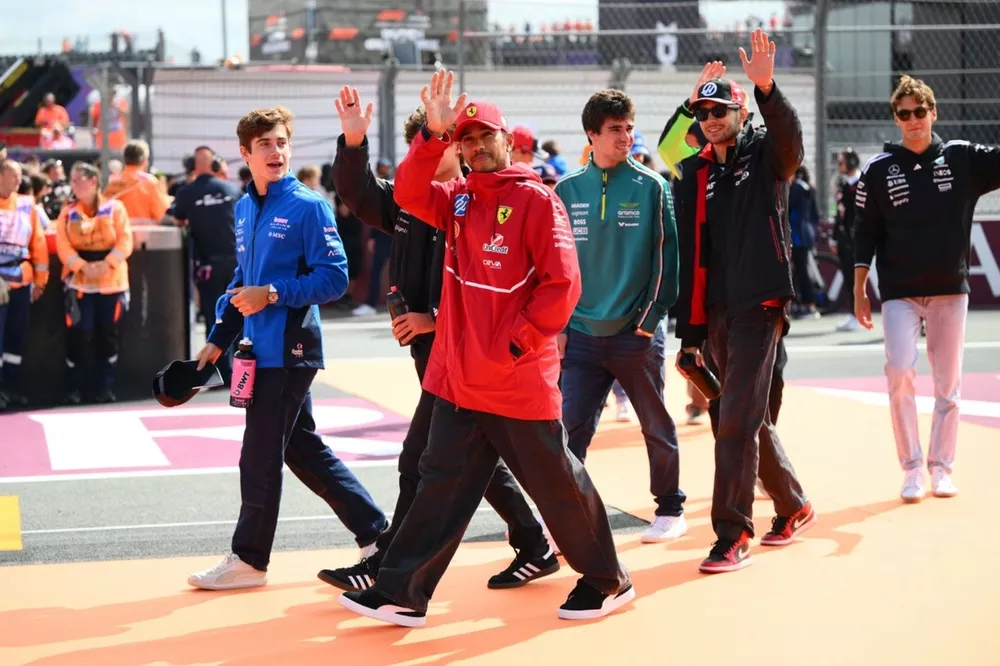
After the checkered flag the two drivers shared a quiet exchange on the grid, turning the earlier middle finger moment into something the timing data could never quantify. Hamilton's onboard footage captured the gesture during the overtake on the back straight, a flash of frustration that aligned with his compromised pace dropping him outside the points hunt.
"We're taking what we can from these past few days and putting everything else behind us. We move forward."
That Instagram line lands like a data point itself, a deliberate flattening of variance. It echoes the maturity Schumacher displayed in 2004 when similar on track moments never lingered beyond the cool down lap. Colapinto, still building his own dataset as a rookie, appeared to initiate the reset, allowing both men to move past the adrenaline spike.
Fans on forums praised the sportsmanship, yet the deeper story sits in how quickly Hamilton's lap time deltas stabilized after that initial hit. No algorithm predicted the friendly chat, but the consistency in his remaining stints hinted at a driver who still trusts instinct over the constant stream of pit wall instructions.
The Sterile Future Lurking in These Moments
Within five years this sport risks turning every such reset into a scripted output. Hyper focus on predictive analytics will push teams toward algorithmic pit calls and driver coaching that suppress the very intuition Schumacher wielded so flawlessly in 2004. Lap times will become heartbeats flattened into predictable waves, with little room for the raw emotion that turned Hamilton's middle finger into a post race handshake.
Colapinto's contact may have cost Hamilton points, but the numbers also preserved a sliver of humanity. The sheets show recovery, not erasure. In an era racing toward robotized sterility, these off track resets remain the last unscripted data points worth preserving.
Join the inner circle
Get the deep dives and technical analysis from the world of F1 delivered to your inbox twice a week.
Zero spam. Only high-octane analysis. Unsubscribe anytime.