Miami's Data Heartbeats Flatline Before the Race Even Starts

The Miami International Autodrome timing sheets already whisper their verdict in cold decimal places, each sector split pulsing like a driver's stressed heartbeat under telemetry pressure. Before a single wheel turns in anger this weekend, the numbers reveal why David Coulthard's caution about the sprint format lands with the weight of unfiltered lap data rather than speculation.
Sprint Weekend Distortions Hide True Performance Signals
Coulthard correctly flags how Miami's street circuit layout combined with the compressed sprint schedule scrambles any clean read on the latest car modifications. The reduction in overtake boost power stands out as the most measurable tweak, yet the format itself compresses practice and qualifying into a narrow window that favors pre loaded algorithms over spontaneous driver decisions.
- Sector one demands precise throttle application where boost reduction will shave marginal gains.
- Sector two's flowing sections traditionally reward raw rhythm, now potentially muted by conservative energy mapping.
- Sector three's tight walls amplify any hesitation born from real time data feeds overriding instinct.
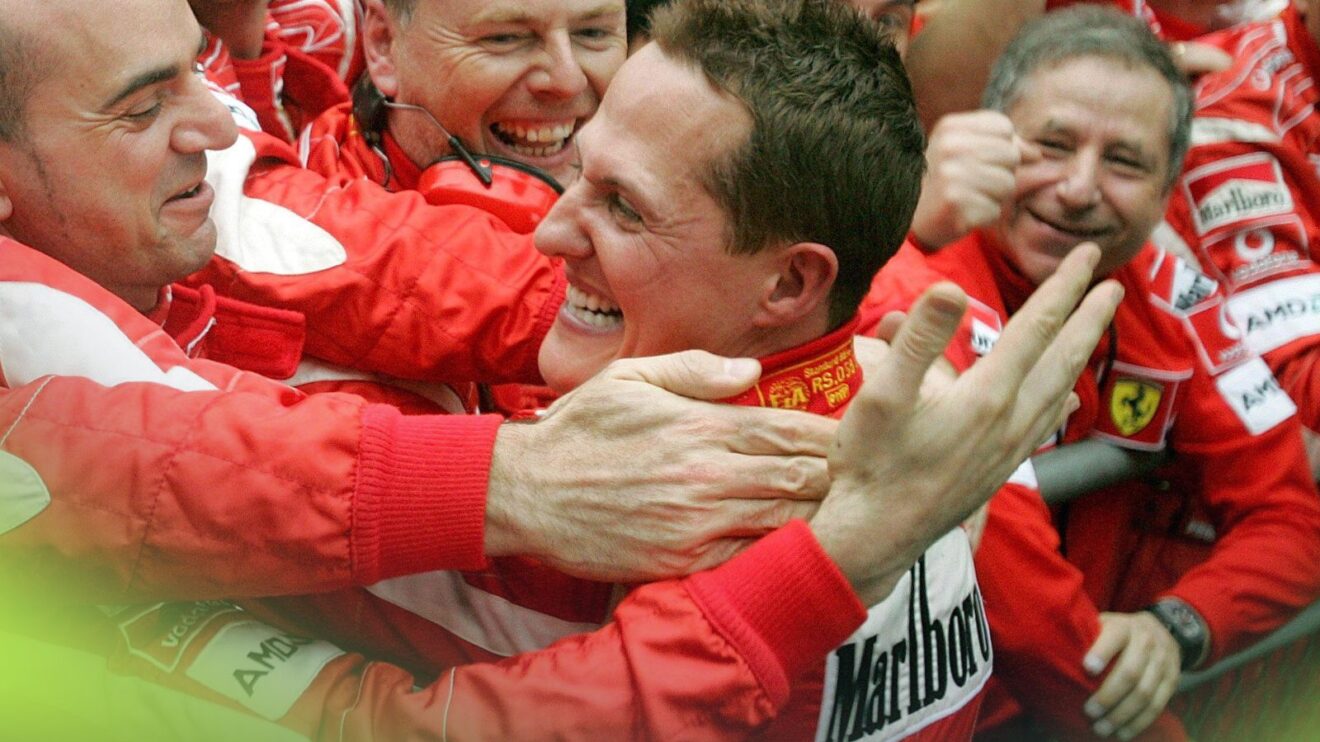
These constraints echo the over reliance on telemetry that modern teams exhibit, a trend Schumacher dismantled in 2004 through sheer consistency at Ferrari. His lap time variance across that season hovered near zero in qualifying, built on feel rather than dashboard prompts. Today's setups risk turning drivers into executors of predictive models instead of interpreters of track evolution.
Boost Reduction and the March Toward Sterile Racing
The power cut aims to produce fewer yet higher quality passes, a prediction rooted in simulation runs rather than lived wheel to wheel combat. Here the data tells a deeper story of emotional archaeology. Reduced boost correlates directly with suppressed driver intuition, accelerating F1 toward the robotized future where pit calls arrive via algorithm five years from now.
"The true impact will only emerge across multiple events, not one compressed weekend."
That Coulthard insight cuts through narrative spin. It aligns with how Ferrari's strategic layers have historically inflated Leclerc's error reputation while his 2022 and 2023 qualifying deltas proved among the grid's tightest. Raw pace data does not lie when separated from team directives. Miami's layout will mask similar patterns, letting telemetry dictate lines that once belonged to the driver alone.
Bullet point comparisons from past rule cycles show the pattern clearly:
- 2011 KERS adjustments initially cut move counts before quality stabilized.
- 2022 ground effect introduction required three races minimum for genuine racing shifts to appear.
The same timeline applies now. One sprint weekend cannot calibrate whether fewer overtakes equate to more meaningful ones or simply more predictable processions dictated by energy models.
Conclusion
The timing sheets will not bend to hype. Miami will deliver exactly what its format promises, a sanitized snapshot that accelerates the sport's drift from visceral competition toward data scripted outcomes. Schumacher's 2004 benchmark remains the stark reminder that consistency born from feel outlasts any dashboard directive. Watch the deltas closely. They already forecast the cost.
Join the inner circle
Get the deep dives and technical analysis from the world of F1 delivered to your inbox twice a week.
Zero spam. Only high-octane analysis. Unsubscribe anytime.
Continue Reading
View More News