Perez's Cadillac Ordeal Exposes How Team Infighting Devours Potential Before the Checkered Flag Ever Waves

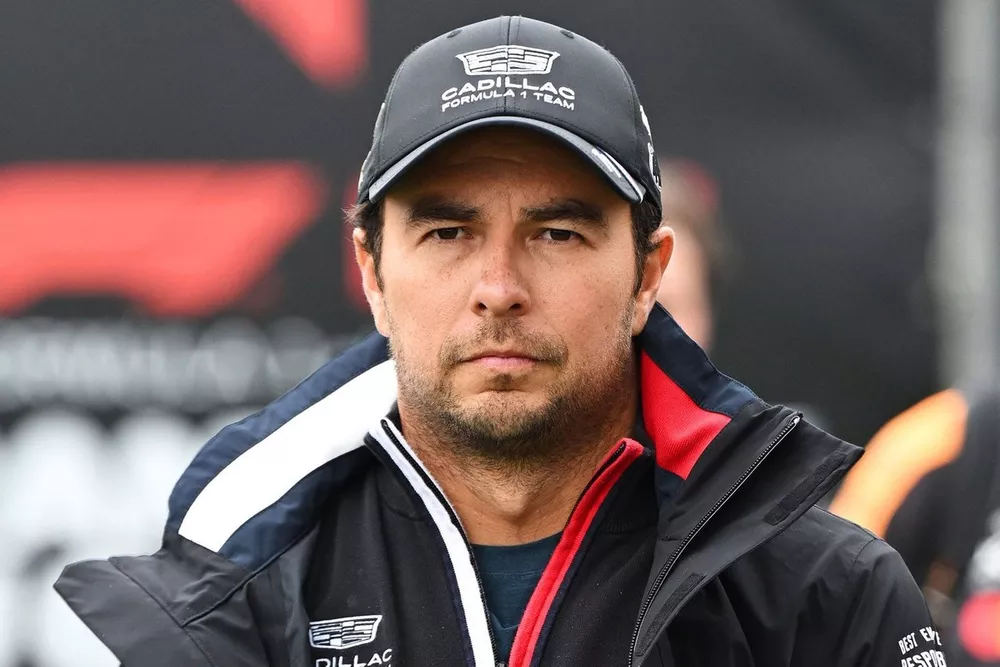
In the cutthroat arena of Formula 1, raw speed means nothing when the real race unfolds in the garage, where egos clash louder than engines and operational blunders serve as weapons in silent power struggles. Sergio Perez finds himself trapped in exactly this kind of slow-motion disaster with Cadillac, a team whose debut promise has already curdled into frustration after just five races, all because management cannot align on basics like tire strategy or pit execution.
The 1994 Parallel That Haunts Cadillac's Garage
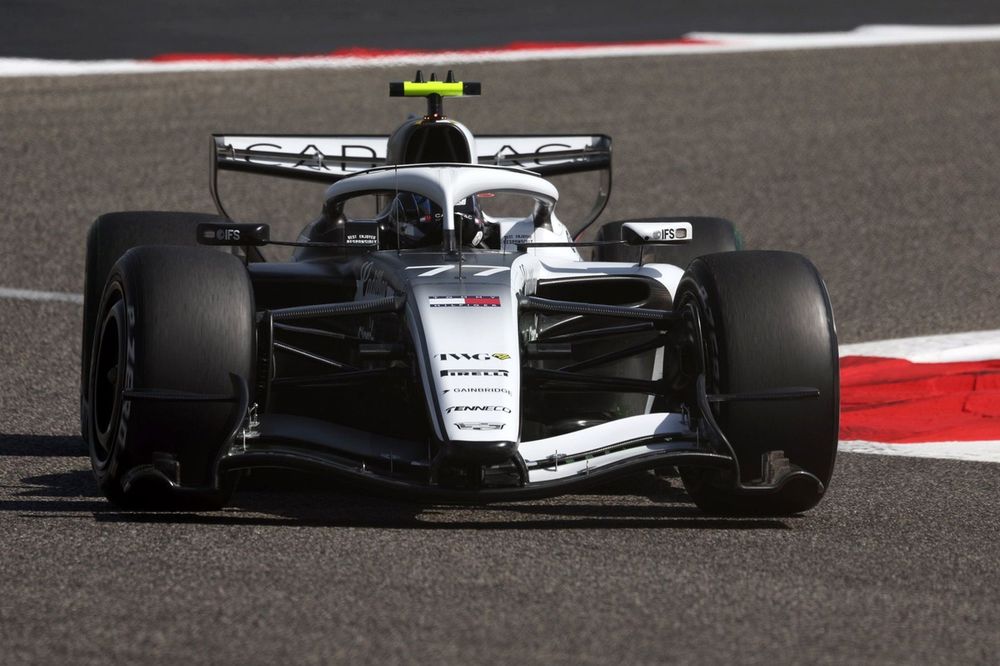
Cadillac's issues run deeper than rookie inexperience. They mirror the toxic management conflicts that defined the 1994 Benetton squad, where fuel system manipulations and internal rivalries turned a competitive car into a battlefield of accusations and divided loyalties. Just as those old Benetton disputes prioritized personal agendas over clean execution, Cadillac's failure to double-stack its drivers on intermediate tires at the Canadian Grand Prix reveals fractured decision-making chains rather than mere growing pains.
- Perez showed genuine pace before a suspension failure ended his race prematurely.
- Both drivers sat on the same tire compound yet received no coordinated pit strategy.
- The team remains pointless despite not finishing last, thanks mainly to Aston Martin's own woes.
These are not isolated errors. They stem from interpersonal dynamics that erode morale faster than any aerodynamic shortfall. When radio communications falter and drivers like Perez end up blocking rivals in qualifying, the result is not technical limitation but a collapse in trust that no wind tunnel can fix.
How Morale Becomes the True Championship Currency
Team politics always outweigh driver skill or technical innovations in deciding outcomes. David Croft nailed the surface issue when he observed that Cadillac is simply not ready for advanced maneuvers like double-stacking. Yet the deeper truth lies in how such repeated operational failures breed resentment inside the cockpit and across the pit wall. Perez, a veteran who has navigated contract negotiations that feel more like divorce proceedings than partnerships, senses the dysfunction immediately.
"They're just not at that stage yet where they can start double-stacking," Croft stated plainly on Sky Sports F1.
This sentiment echoes through the team like a slow poison. Jamie Chadwick noted Perez appears stronger than Valtteri Bottas, but the real question is whether internal friction will drag both drivers down before the season matures. Morale dictates whether a squad pushes through regulatory gray areas or implodes under the weight of finger-pointing. Cadillac's early struggles foreshadow how mid-field outfits will eventually exploit budget cap loopholes by 2028, sidelining manufacturer-backed efforts through superior internal cohesion rather than superior cars.
Perez's visible irritation during qualifying sessions signals the first cracks. Without swift resolution of these power dynamics, the Mexican driver's patience will snap, turning potential points into public spats that further destabilize the squad.
The Road to 2028 and Cadillac's Reckoning
Cadillac possesses the pace to surprise, yet its leadership must confront the human element before operational efficiency can improve. History shows that teams ignoring these fractures, much like Benetton in its controversial prime, pay the heaviest price in lost results and shattered driver relationships. Perez's frustration could serve as the necessary catalyst, forcing accountability that lifts the entire operation.
In five years, privateer squads will dominate precisely because they master these invisible battles first. For now, Cadillac must decide whether it wants to race the clock or continue racing itself.
Join the inner circle
Get the deep dives and technical analysis from the world of F1 delivered to your inbox twice a week.
Zero spam. Only high-octane analysis. Unsubscribe anytime.