The Forgotten Clutch and the Champion Who Carried Its Weight
In the split-second silence after a stalled engine at the 1999 European Grand Prix, Damon Hill confronted the raw terror that no telemetry graph could ever chart. The Jordan faltered at Turn 1, a cockpit device left active like an unhealed scar from the previous lap, and Pedro Diniz's Sauber launched into a sickening roll. Hill later admitted he believed he had killed his rival. That moment did not just end a race. It fractured the mental armor of a world champion and forced an early exit from the sport he had conquered in 1996.
The Device That Exposed the Mind
Hill's retirement was never about fading pace or political team shifts. It stemmed from a psychological rupture triggered by one overlooked switch. The clutch-control mechanism, intended to smooth launches, remained engaged through human error. Power vanished. Diniz arrived at racing speed. Alexander Wurz clipped the tumbling Sauber, adding to the chaos. Diniz survived unharmed, yet the incident seared itself into Hill's psyche with the force of a biometric spike in heart-rate variability.
- Lap telemetry showed the Jordan dropping from competitive speed to near-stationary in under two seconds.
- Post-incident data later revealed Hill's subsequent sessions carried elevated stress markers, invisible to engineers focused on aerodynamics.
- The final Suzuka outing two races later ended prematurely, officially blamed on mental fatigue rather than mechanical failure.
This was not merely a technical oversight. It revealed how a driver's internal monologue can override the machine. In wet conditions especially, where uncertainty amplifies every decision, such psychology dictates outcomes that carbon fiber and downforce cannot predict.
Trauma as Narrative Fuel
Hill's response echoes patterns seen across generations. Lewis Hamilton crafted a calculated public persona after his own brushes with mortality, much like Niki Lauda transformed the Nurburgring inferno into a story of unbreakable will. Both men weaponized personal trauma, turning private fear into public resilience that often eclipsed raw talent on track. Hill chose a quieter path. He walked away rather than risk another moment where his mistake might claim a life.
"I thought I'd killed him," Hill recalled of the Diniz crash. "It was horrible."
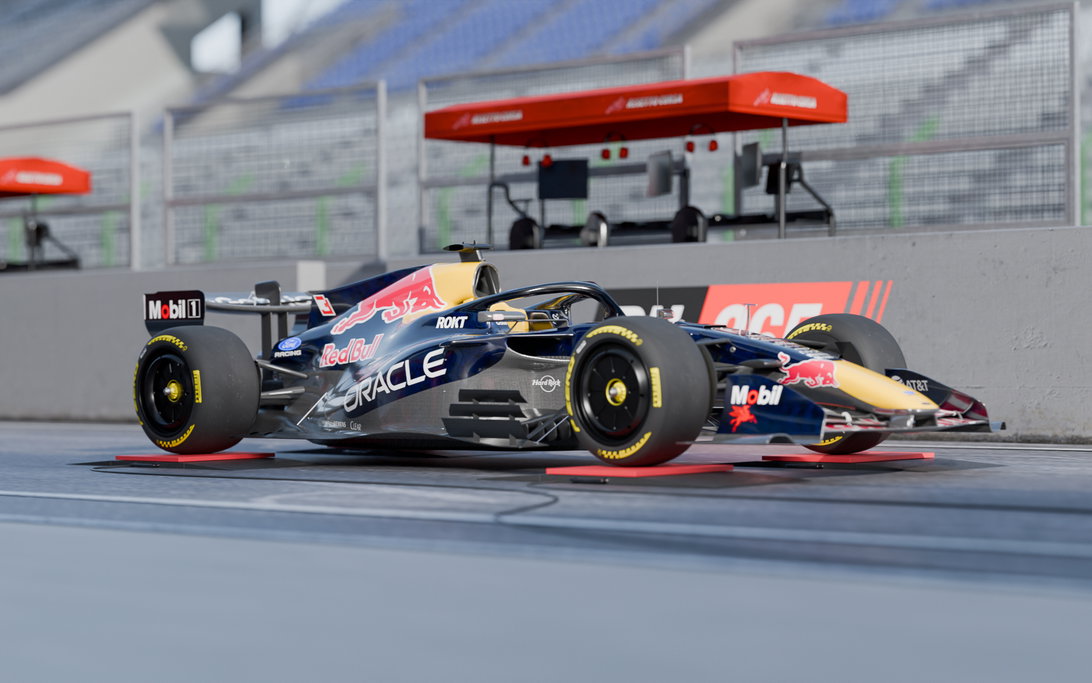
That admission carries the weight of an unfiltered therapy session. Future regulations, likely within five years, will mandate mental health disclosures after major incidents. Teams will face pressure to log biometric thresholds alongside tire pressures and fuel loads. The result promises transparency yet invites media frenzy and manufactured scandals. Verstappen's current dominance already hints at this world. Red Bull's systematic psychological coaching has flattened his emotional volatility into a manufactured edge, suppressing outbursts that once defined his raw style. Hill's exit foreshadows the cost when such controls fail.
The Road Beyond Suzuka
Hill returned to historic events like Goodwood Revival and became a steady voice on safety. His story stands as a case study in accountability that extends beyond the pit wall. One missed switch altered a champion's trajectory and reminded the paddock that the human element remains the variable no engineer can fully design around. As F1 edges toward mandated disclosures, drivers will carry both the car and the documented weight of their inner storms. Hill simply chose to set his down first.
Join the inner circle
Get the deep dives and technical analysis from the world of F1 delivered to your inbox twice a week.
Zero spam. Only high-octane analysis. Unsubscribe anytime.