Ricciardo's Exit Shatters the Illusion of F1's Aero-Driven Normalcy
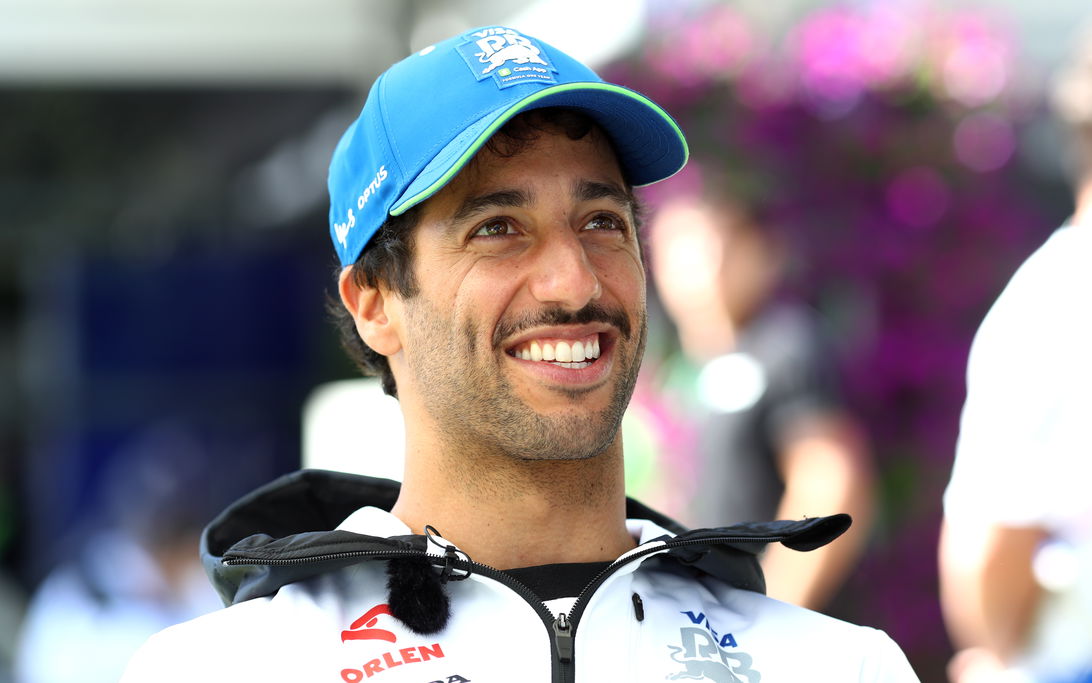
Daniel Ricciardo walked away from Formula 1 after the 2024 Singapore Grand Prix, and the silence that followed exposed something deeper than a simple career end. The 13-year veteran who drove for Red Bull, Renault, McLaren and RB now sees the sport's relentless weekend rhythm for what it truly is: an artificial storm whipped up by overcomplicated aerodynamics rather than pure driving craft. His words cut through the marketing gloss that portrays these packed schedules as badges of honor.
The Minute-by-Minute Grind Born from Downforce Obsession
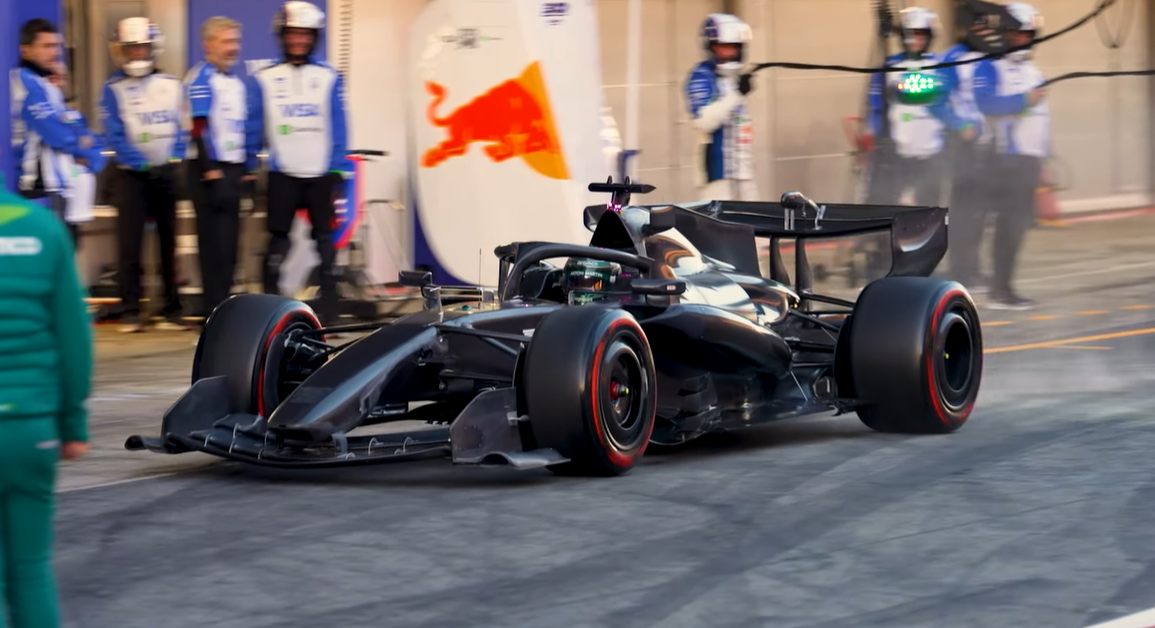
Ricciardo described his old life with quiet clarity in a recent Speed Street interview. The schedule had become so granular that every hour felt scripted, leaving little room for the human rhythm that once defined racing. This intensity stems directly from modern cars' fixation on aerodynamic layers that demand constant tweaking between sessions. Teams chase every fraction of downforce, turning each practice run into a data storm where engineers recalibrate wings and floors while drivers sit idle or rush through briefings.
- Current F1 machines pile on movable elements and sensors that require precise alignment before every outing.
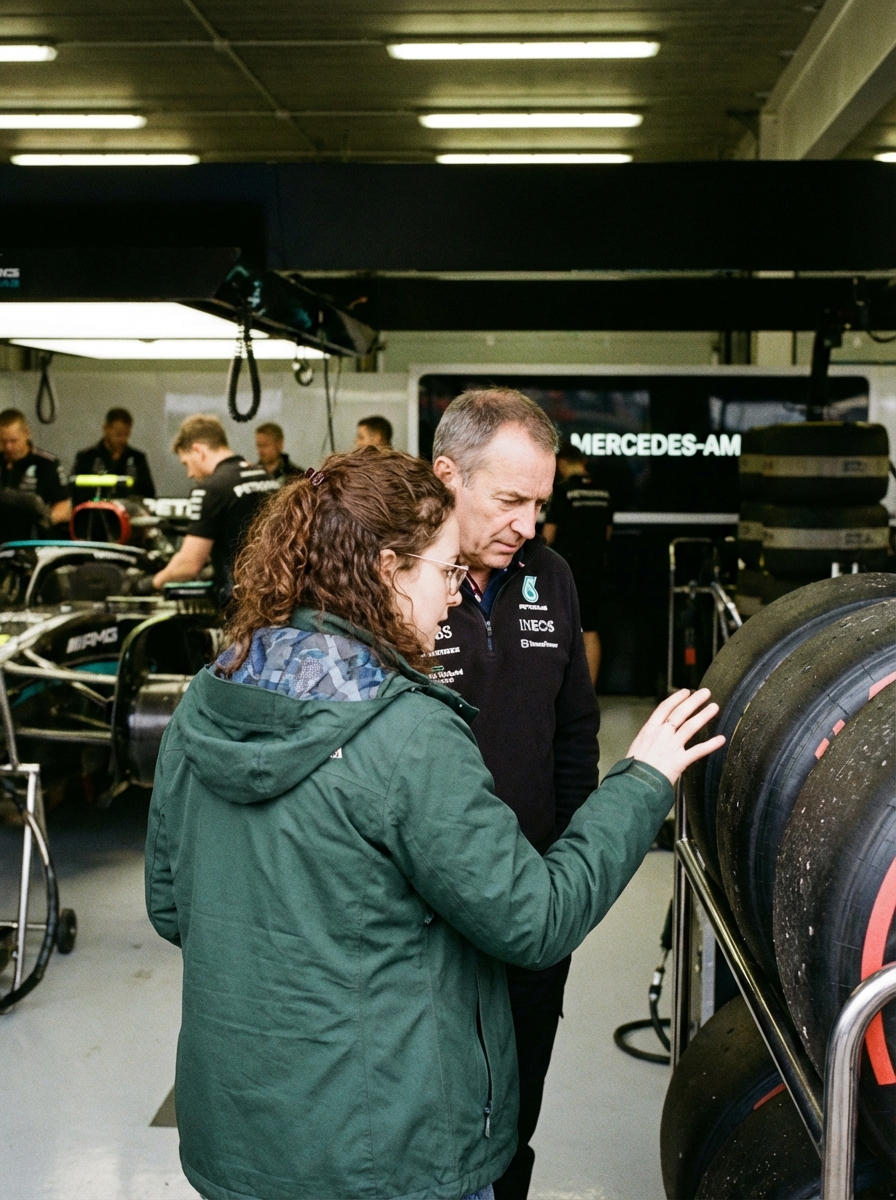
- Tire management, the true art of mechanical grip, gets sidelined as teams prioritize airflow over the raw contact patch between rubber and track.
- Compare this to the Williams FW14B of the early 1990s, where active suspension delivered elegant control through mechanical means instead of layered turbulence.
The result feels less like racing and more like managing a tempest. Drivers like Ricciardo spent years inside that bubble, mistaking engineered chaos for routine. Once outside, the artificial pressure becomes obvious.
Verstappen's Reign and the Overrated Chassis Advantage
Why Skill Alone Cannot Explain Dominance
Red Bull's recent successes highlight how chassis and aerodynamic packages often overshadow individual talent. Max Verstappen benefited enormously from a platform built for relentless downforce, especially during the 2023 season when the car's stability masked the need for exceptional tire feel. True mechanical connection, the kind that lets a driver sense grip limits through the seat rather than through a data screen, has been traded for wind-tunnel numbers. This shift reduces the driver's role to that of a system operator, not a storm rider steering through variable conditions.
Ricciardo's own path through Red Bull and beyond underscores the point. His reflections arrive at a moment when the sport's complexity peaks, yet the excitement has not followed. The schedule he once accepted now reveals itself as a byproduct of designs that demand endless micro-adjustments instead of celebrating the driver's intuitive bond with the machine.
I was in the F1 bubble for so long... that became normal. But now that I'm outside of it, I'm like 'Oh, that was far from normal.' The schedule was down to the minute.
That admission carries weight. It signals how aerodynamic excess forces everyone into tighter loops of preparation and recovery, stripping away the personal space that simpler mechanical solutions once preserved.
Racing Toward 2028 and the AI Aerodynamic Shift
Within five years the grid will likely embrace AI-controlled active aerodynamics that eliminate DRS entirely. Races will grow more unpredictable as flaps and surfaces respond in real time to track conditions, yet the driver's influence will shrink further. Mechanical grip and tire management will matter even less when algorithms handle the airflow variables. This evolution promises chaotic spectacles but at the cost of the human element that once made cars feel alive.
Ricciardo now turns his attention to the Indianapolis 500, where he will join Conor Daly and observe how that series balances raw pace with personal breathing room. The contrast could illuminate what F1 has lost in its pursuit of aerodynamic spectacle over mechanical honesty.
The Path Back to Elegant Solutions
Modern Formula 1 has wrapped itself in layers of complexity that masquerade as progress. Ricciardo's clear-eyed view after retirement reminds us that the sport's real beauty lies in the direct conversation between driver and machine, not in the manufactured storms of constant aero tuning. Returning to principles that value tire feel and chassis simplicity would restore urgency and humanity to the racing we watch.
Join the inner circle
Get the deep dives and technical analysis from the world of F1 delivered to your inbox twice a week.
Zero spam. Only high-octane analysis. Unsubscribe anytime.
Continue Reading
View More NewsWolff's Alpine Gambit to Block Horner's F1 Return