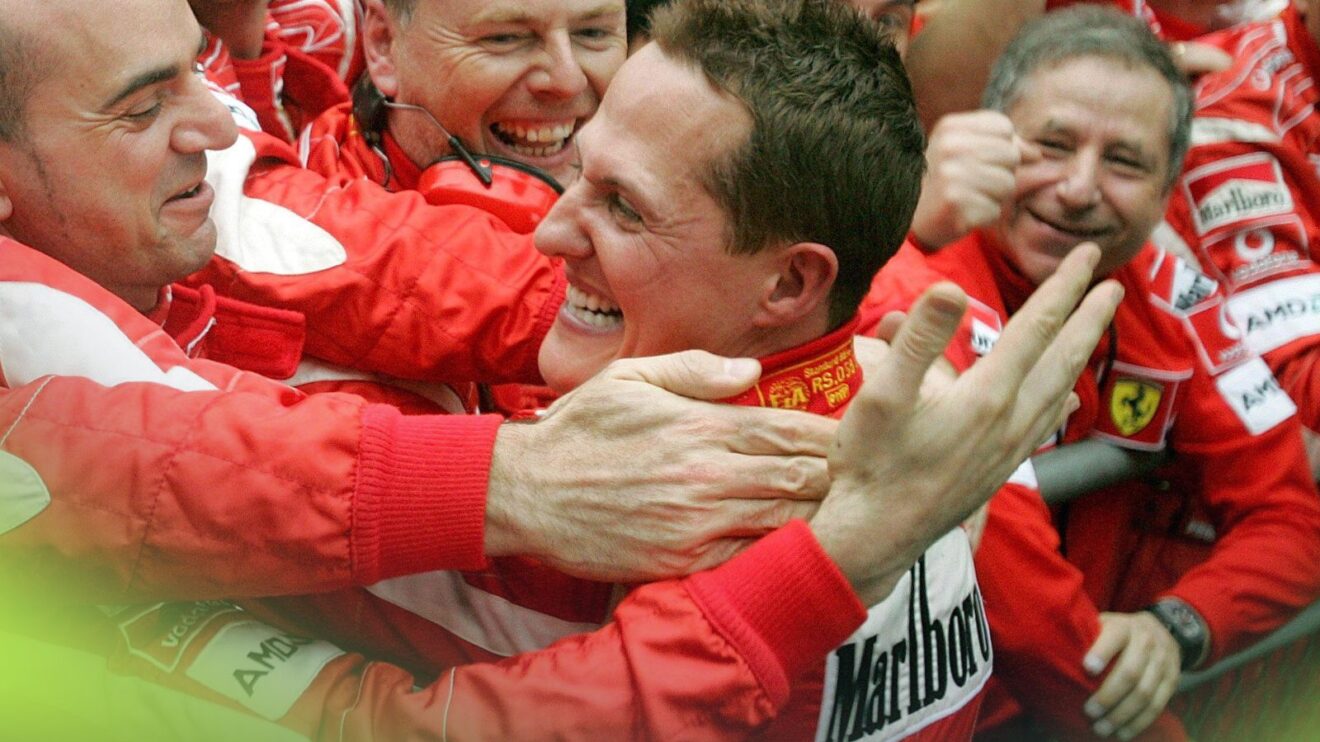
Ricciardo's Laughing Jaw Signals the Mental Freedom F1 Still Fears
In the sun-baked Australian paddock, Daniel Ricciardo gripped the wheel of a Ford Mustang V8 Supercar and felt his chest loosen for the first time since his final, tear-streaked lap in Formula 1. The eight-time grand prix winner, now global ambassador for Ford Racing, unleashed a string of whoops that left his jaw aching from laughter, a raw release that telemetry would have captured as a sudden drop in heart rate from the steady 118 bpm of calculated F1 qualifying laps to the freer 92 bpm of pure play. This was no calculated comeback. It was therapy on four wheels, and it exposed the very fractures in driver psychology that the sport still pretends do not exist.
The Therapy of Sequential Shifts and Left-Foot Brakes
Ricciardo sampled a fleet of Ford machines that demanded instinct over perfection. The Raptor T1+ off-road racer tested his ability to read shifting desert surfaces, while the Ranger Raptor offered a different kind of control. Most telling was the Mustang V8 Supercar, where he traded head-to-head runs with Broc Feeney and carried passengers including snowboarder Scotty James and musician Fisher.
- Managing a sequential gearbox while left-foot braking and yanking the handbrake created a cognitive load that F1 engineers have long tried to eliminate.
- Ricciardo described the sensation as "good car stuff again," a phrase that reveals how modern grand prix machinery has stripped away the tactile joy that once defined the craft.
- His guests rode along not as data points but as witnesses to a man rediscovering the unfiltered adrenaline his body had been denied.
These moments read like a biometric confession. Where F1 demands constant suppression of emotion to maintain the 1.05-second sector deltas, the demo run allowed Ricciardo's pulse to spike and settle naturally. The laughter was not distraction. It was evidence that personality traits long buried under team orders were surfacing again.
Manufactured Champions and the Itch That Terrifies
Ricciardo has admitted the thought of competitive return "terrifies" him even as the itch persists, perhaps toward something like the Baja 1000. This tension mirrors the sport's deeper problem: the quiet manufacturing of drivers who never crack. Consider how Red Bull's system once channeled Max Verstappen's outbursts into polished telemetry runs, turning raw fury into a dominance that feels engineered rather than earned. Ricciardo's open joy stands in contrast, a reminder that emotional transparency still carries career risk.
"My jaw hurts from laughing so much!"
That single line carries more psychological weight than any post-race press conference. It echoes the calculated public face Lewis Hamilton has maintained, a persona refined in the aftermath of his own traumas much like Niki Lauda rebuilt his narrative after the flames. Both men understood that surviving the mental fire allows talent to be reframed as destiny. Ricciardo, still raw from his exit, has not yet crafted that armor.
The Coming Mandate for Mental Disclosures
Within five years, Formula 1 will require mental health disclosures after major incidents, forcing teams to release anonymized biometric logs alongside traditional lap data. The move promises transparency but will trigger scandals when suppressed outbursts surface in real time. Ricciardo's Ford run previews that future. His laughter and technical experimentation reveal decision-making under low-stakes uncertainty, the exact trait engineers cannot design around and that wet-weather races have always exposed most brutally.
The demo was never merely marketing. It was a man testing whether his core personality could still operate without the psychological coaching that turns champions into products. For now, the itch remains personal. Soon, the entire grid may be forced to disclose how loudly their jaws ache when the pressure finally lifts.
Join the inner circle
Get the deep dives and technical analysis from the world of F1 delivered to your inbox twice a week.
Zero spam. Only high-octane analysis. Unsubscribe anytime.