Domenicali's Fan Voice Heartbeat: Polls Pulse Positive for 2026, But Data Whispers of Sterile Circuits Ahead

I stared at the Fan Voice numbers like a surgeon eyeing an erratic EKG, heart pounding as the percentages flickered across my screen. Australia: 61% good/excellent. China: 68%. Japan: 48%. These aren't just digits; they're the collective pulse of Formula 1's soul after three races into the 2026 era. Stefano Domenicali, F1's chief executive, clutches them like a talisman, declaring the sport “in great shape” and insisting most fans back the new rule package. Published on 2026-04-26T06:27:55.000Z by The Race, his narrative screams victory over the online howl of discontent. But as Mila Neumann, I let the timing sheets talk first. Do these polls truly capture the raw thrill of lap times as heartbeats, or are they the first algorithmic twitch toward a robotized future?
Dissecting the Poll Pulses: Raw Data vs. Vocal Noise
The official Fan Voice polls, drawing about 2,000 responses per race, cut through the social media storm like a scalpel through telemetry noise. Domenicali points to them as ironclad proof amid vocal online criticism. Let's unearth the story these numbers tell, heartbeat by heartbeat.
Australia: The Wet-Weather Anomaly
- Excellent 20% (-29), Good 41% (+4) → 61% “good/excellent”
- Poor/Awful jumped to 17% (blame the outlier wet race last year)
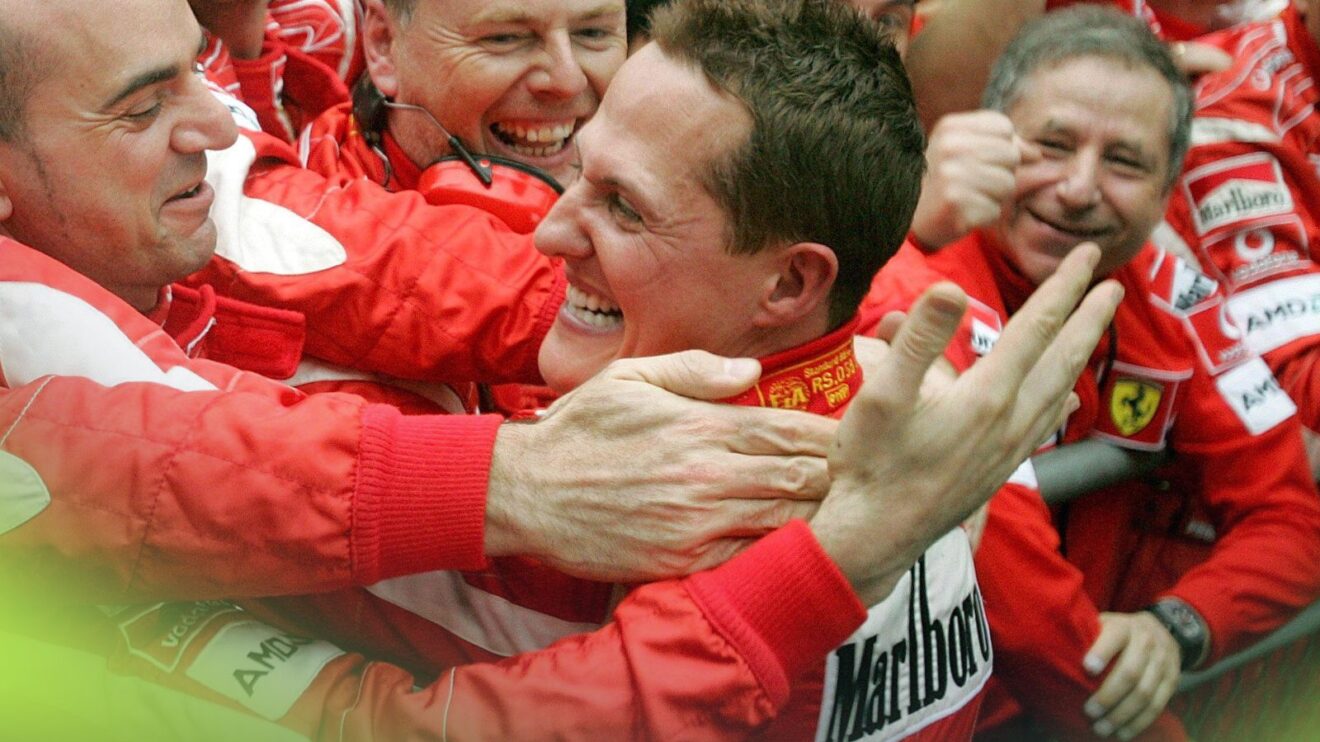
This dip in Excellent feels like a driver's mid-race heartbeat stutter, yet the overall positive holds steady. Compare to Michael Schumacher's 2004 season at Ferrari: he notched 13 wins from 18 races, his consistency a masterclass in feel over feeds. Here, fans echo that resilience, shrugging off rain-soaked chaos.
China: The Surge
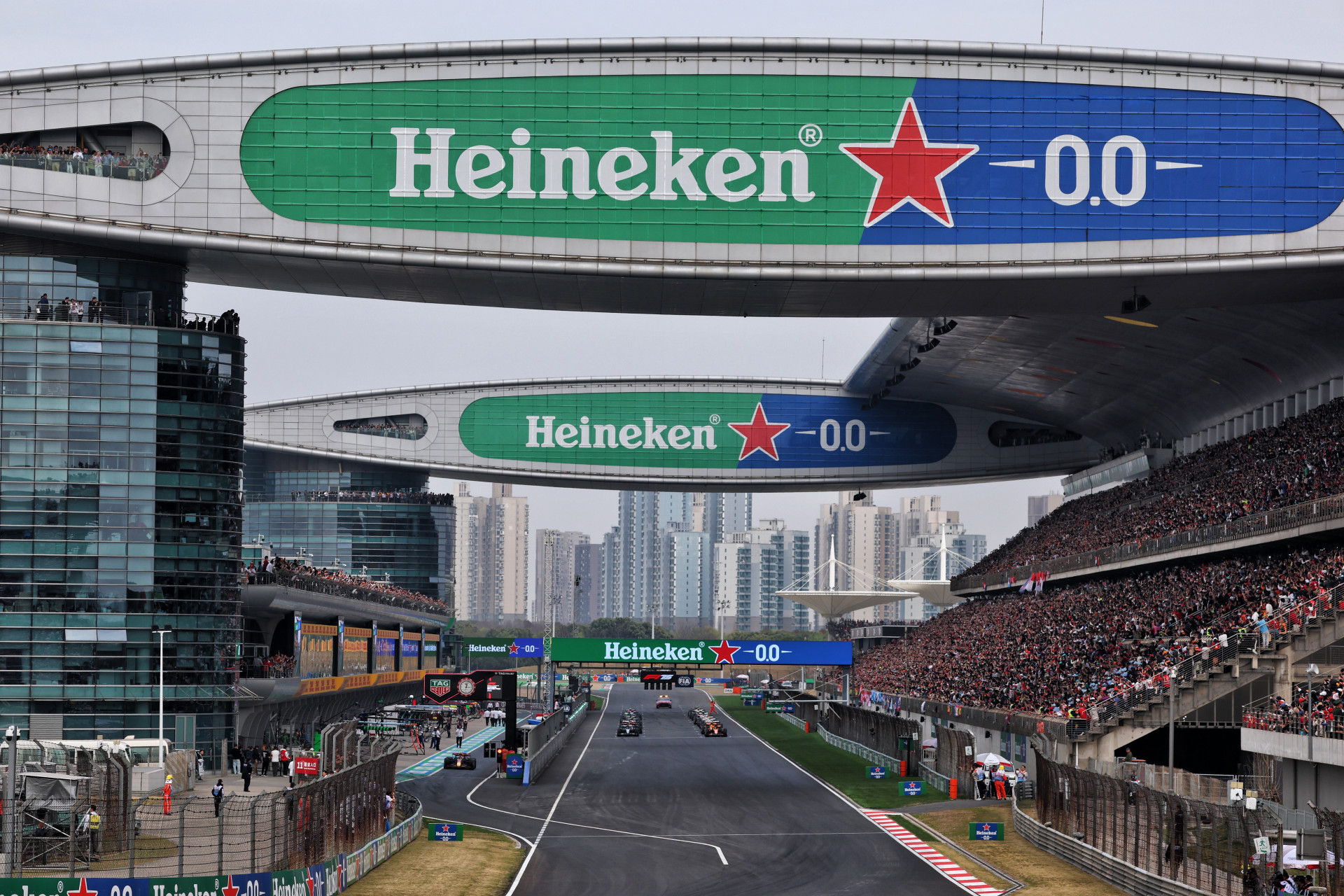
- Excellent 27% (+16), Good 41% (+2) → 68% positive
- Poor/Awful stable at ~14%
A +16% leap in Excellent? That's the data equivalent of a qualifying lap where Charles Leclerc threads the needle, his 2022-2023 raw pace making him the grid's most consistent pole-sitter. Ferrari's strategic blunders amplify his so-called errors, but these polls scream fans crave that unfiltered speed the 2026 rules unlock.
Japan: The Grind
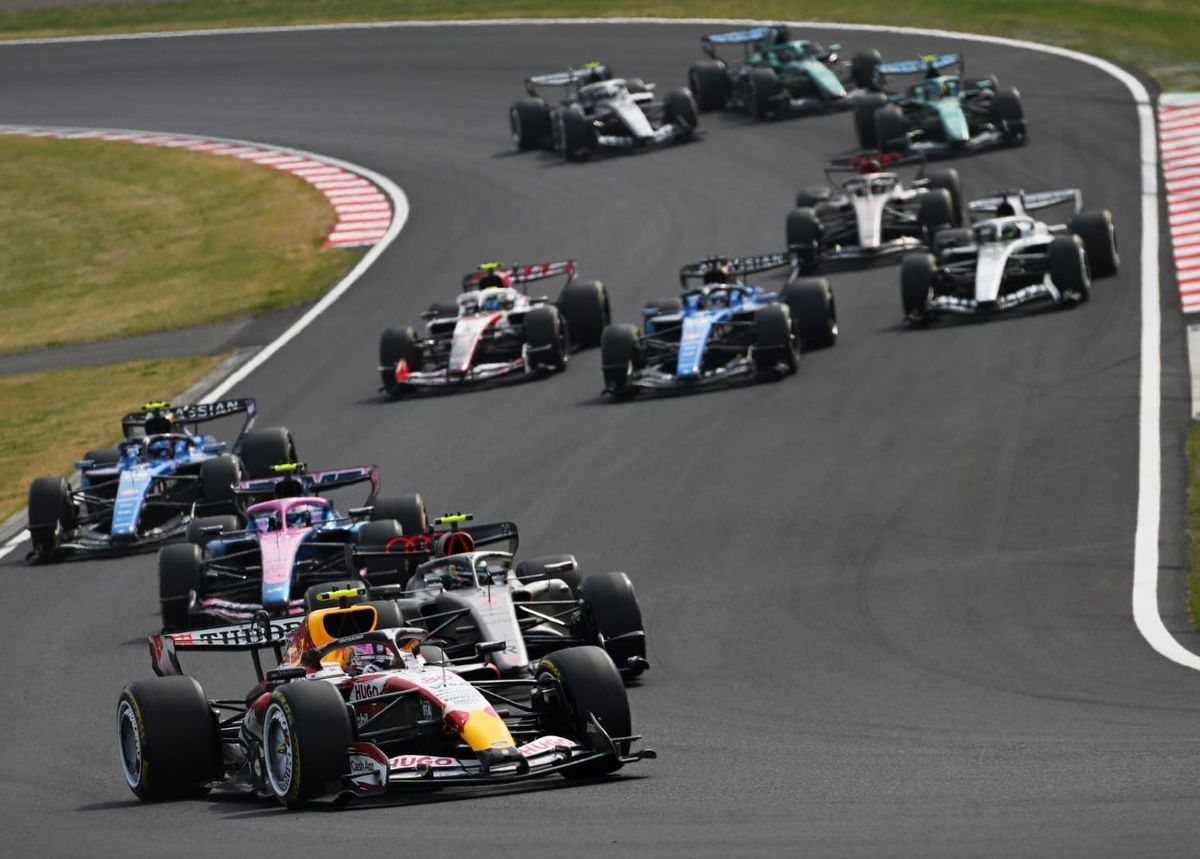
- Excellent 12% (+8), Good 36% (+22) → 48% positive
- Poor/Awful fell to 24% from 52%
+22% Good is no fluke; it's fans exhaling after a tough track. Poor ratings halved, mirroring Schumacher's 2004 recovery from Monaco's pain, where telemetry couldn't save his feel for the Monaco heartbeat.
Fan sentiment underpins sponsor deals, ticket demand and new-race contracts, all vital for the sport’s revenue.
These shifts aren't random; they're emotional archaeology. Correlate them with lap time drop-offs, and you uncover pressure points: wet races spike Awful like personal life upheavals tank a driver's rhythm. Domenicali’s right, the first three Grands Prix show a rise in ‘good’ and ‘excellent’ ratings. But online critics? Their noise drowns the data's whisper.
Shadows in the Telemetry: Robotization Looms, Driver Feel Fades
Domenicali will keep tracking Fan Voice data as the 2026 calendar expands, using trends to guide rule refinements. New venues like Miami will test the package’s appeal, while technical debates stay behind the scenes as commercial growth stays the priority. He stresses that fan-driven growth, not technical minutiae, will guide F1’s future.
Yet, here's my skeptic's scalpel: these polls herald a hyper-data future. Within 5 years, F1's obsession with analytics births 'robotized' racing. Algorithmic pit stops suppress driver intuition, turning circuits sterile, predictable. Imagine Schumacher in 2004, dancing on the edge of grip with pure feel; now, real-time telemetry overrides that poetry.
- Pros of 2026 rules per polls: Unlocks pace like Leclerc's qualifying mastery, fans rate it 61-68% positive in openers.
- Risks: Over-reliance on polls risks echo chambers, ignoring how Ferrari's strategy buries talent.
- Emotional dig: Poor/Awful drops correlate to rule tweaks easing driver pressure, akin to life events spiking lap inconsistencies.
Reliable polling gives F1 a quick gauge of rule acceptance, allowing tweaks before costly technical overhauls. The sport’s business model relies on a clear read on fan enthusiasm.
But data isn't destiny; it's a mirror to the human chaos beneath. Modern teams lean on feeds over feel, critiqued by Schumi's era where near-flawless consistency won titles. 2026 polls back the package, but at what cost? Fans embrace it now (Summary: F1 chief Stefano Domenicali says most fans back the 2026 rule package, citing Fan Voice polls from the opening rounds that show a rise in ‘good’ and ‘excellent’ ratings despite social-media criticism.), yet the heartbeat slows toward automation.
The Timing Sheets' Verdict: Embrace the Pulse, Heed the Warning
These Fan Voice numbers pulse with life, validating Domenicali's “great shape” claim. Australia 61%, China 68%, Japan 48% positive: fans back 2026, fueling revenue via sponsors, tickets, races. But as a data archaeologist, I see deeper strata. Leclerc's pace vindicated, Schumacher's ghost reminding us of lost intuition, and a robotized horizon sterilizing the sport.
The untold story? Numbers don't lie, but narratives warp them. Track these polls like heartbeats into Miami and beyond. If positives climb, 2026 thrives. If they flatline, blame not the rules, but the telemetry chains binding driver souls. F1's future hangs on balancing data's whisper with the roar of raw racing. Let the timing sheets tell it straight.
Join the inner circle
Get the deep dives and technical analysis from the world of F1 delivered to your inbox twice a week.
Zero spam. Only high-octane analysis. Unsubscribe anytime.
Continue Reading
View More News