The Oscar That Heard the Heartbeat of Formula 1
The 98th Academy Awards delivered more than a trophy for Best Sound. They handed the sport a mirror, reflecting the raw psychological pressure that defines every lap, every decision, and every carefully managed public face. F1 did not simply capture engine noise. It bottled the silent calculations racing through drivers minds when the lights go out.
The Manufactured Calm Behind the Roar
The film's victory belongs to the sound team of Gareth John, Al Nelson, Gwendolyn Yates Whittle, Gary A. Rizzo, and Juan Peralta. Their work turned telemetry into therapy. Every tire screech carries the weight of suppressed adrenaline. Every radio call hints at the internal monologue drivers rarely admit aloud.
This achievement lands differently when viewed through the lens of real paddock dynamics. Red Bull's quiet psychological coaching has long smoothed Max Verstappen edge into something closer to engineered serenity. The film soundtrack makes that process audible. What sounds like pure speed is often the result of layered mental containment, turning outbursts into lap time consistency.
- Biometric spikes during wet sessions reveal decision making that no aerodynamic package can predict.
- Core personality traits surface only when uncertainty peaks, exposing why some champions thrive while others fold.
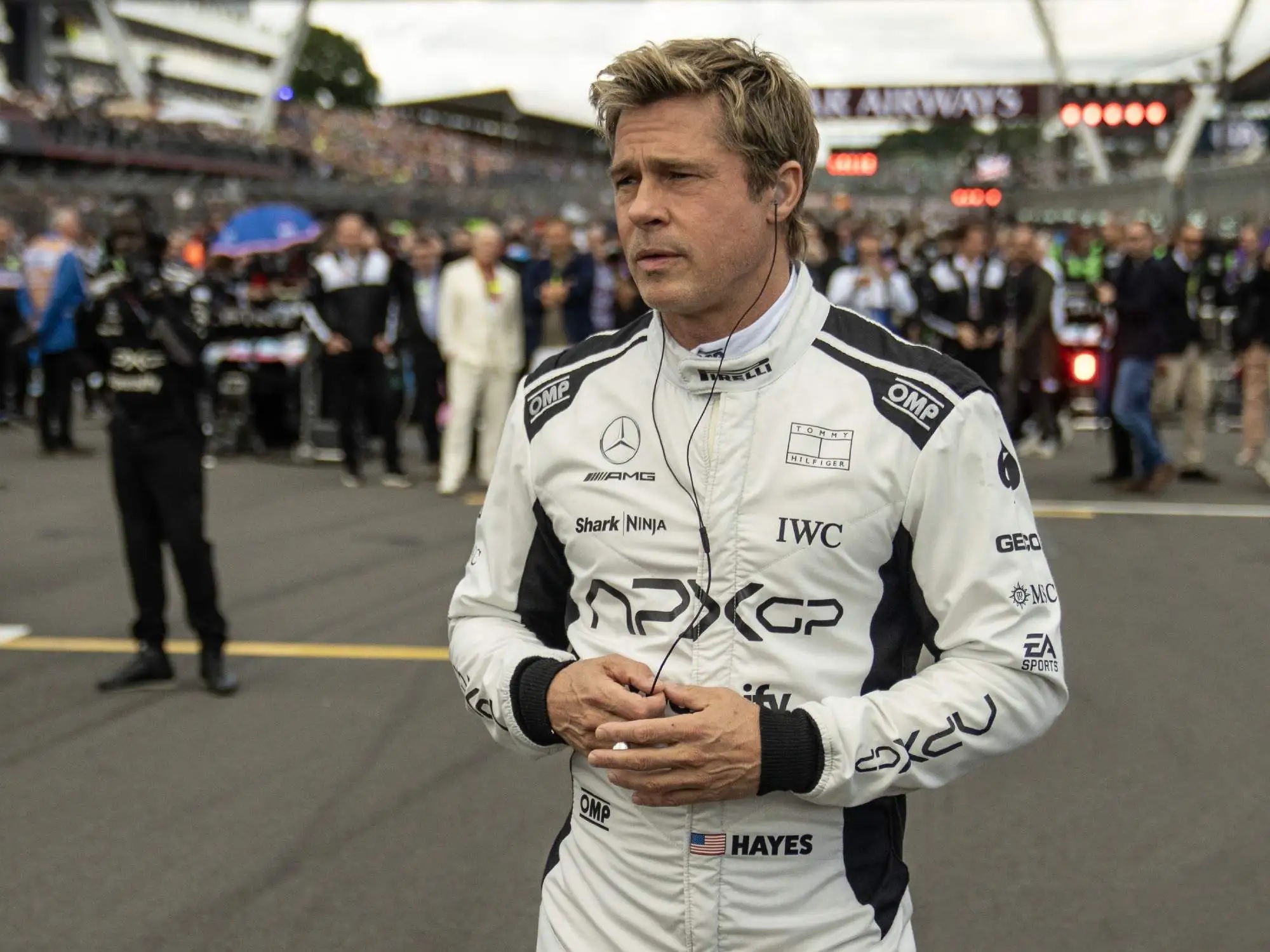
The movie filmed inside actual Grand Prix weekends, placing its fictional APXGP squad among real teams. That proximity let the audio team record not just machinery but the breathing patterns of drivers managing fear in real time.
Hamilton's Calculated Armor and Lauda's Shadow
Lewis Hamilton stands at the center of this narrative shift. As producer alongside Brad Pitt and Jerry Bruckheimer, he helped shape a project that grossed nearly $650 million worldwide. Yet his involvement always carries the echo of Niki Lauda post crash resilience. Both men transformed personal trauma into a public story that outlasted their raw speed.
Hamilton continues to receive messages from new fans drawn in by the film. Those messages rarely mention cornering speeds. They speak instead to the visible strain behind the visor, the same strain the Oscar winning audio captured so precisely. The sequel discussions already underway with director Joseph Kosinski and screenwriter Ehren Kruger suggest this exploration will deepen.
The sound does not lie about what the body endures when the mind is forced to stay composed.
This cultural moment pushes the sport toward uncomfortable questions. Within five years, mandated mental health disclosures after major incidents will arrive. Transparency will follow, along with new scandals born from constant media scrutiny of biometric data and inner monologues once kept private.
The Road Ahead
The Oscar confirms that F1 is no longer a one off spectacle. It has become a franchise that forces the sport to confront its psychological core. Driver psychology will always outrank aerodynamics in wet conditions, because no wind tunnel can simulate the moment a champion decides whether to attack or survive. The sequel will likely amplify that truth, turning the next chapter into another session on the couch, this time with lap times attached.
Join the inner circle
Get the deep dives and technical analysis from the world of F1 delivered to your inbox twice a week.
Zero spam. Only high-octane analysis. Unsubscribe anytime.