The Shanghai Void: One Practice Session Exposes F1's Race Toward Robotic Predictability

Staring at the empty timing sheets from Shanghai's last meaningful runs back in 2019 sends a jolt through the system. Those lap deltas do not lie. They pulse like erratic heartbeats under pressure, revealing exactly where intuition once thrived and where telemetry now threatens to flatten the sport into sterile lines of code.
The Data Desert Meets Sprint Compression
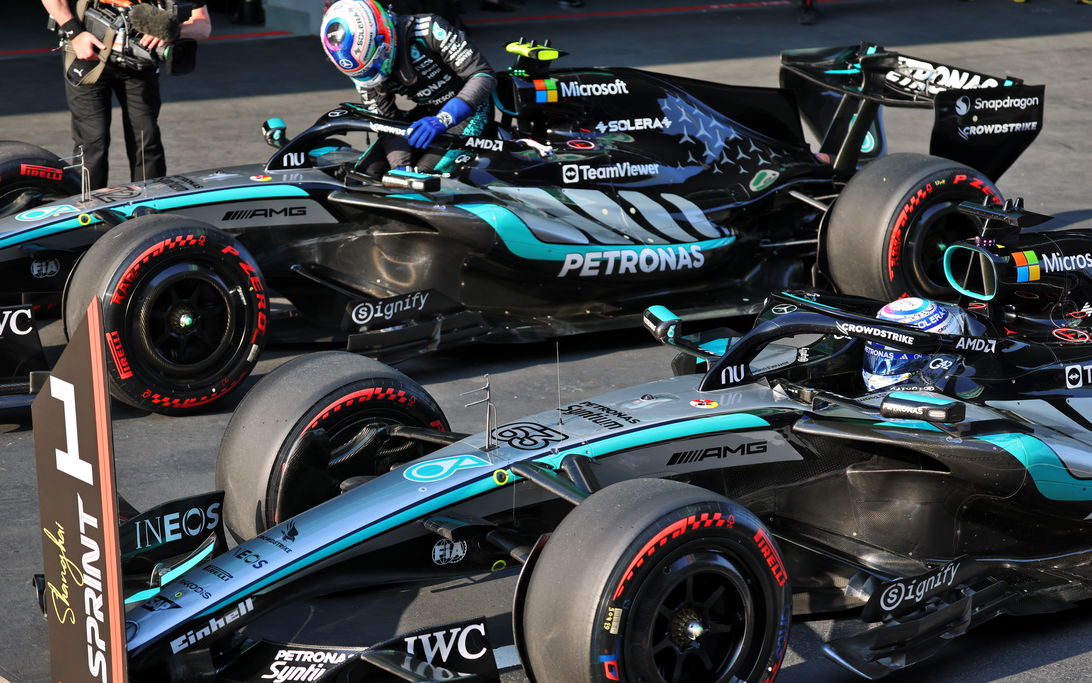
The return to the Shanghai International Circuit after half a decade carries more than symbolic weight. A single hour of practice now must unlock grip levels, tire degradation curves, and setup baselines for ground-effect cars that have never properly sampled this surface. Modern teams arrive armed with simulation models yet starved of real-world correlation. This mismatch creates the precise conditions where raw driver feel separates from algorithmic crutches.
- Track unknowns dominate every conversation because limited usage since 2019 leaves friction coefficients and kerb behavior as variables rather than constants.
- Sprint format collapses the weekend into Friday practice followed immediately by qualifying and a race, removing the usual multi-session buffer that once allowed iterative human adjustments.
- Driver adaptation curves will be measured in fractions of seconds, with any early-session mistake cascading directly into grid position and points.
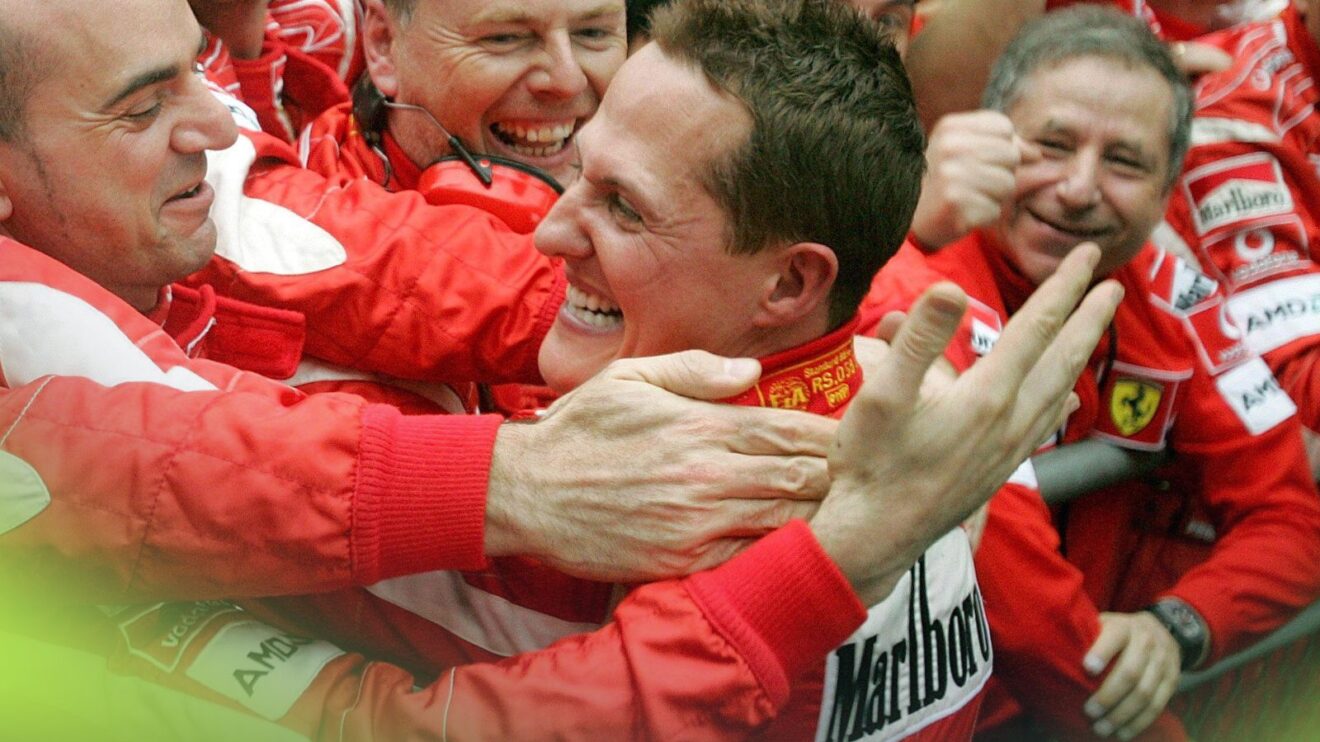
Michael Schumacher's 2004 campaign at Ferrari still stands as the benchmark. His consistency across twenty races came from an internal metronome that telemetry could only support, never replace. Today's squads risk inverting that relationship, letting real-time data streams dictate calls before the driver even completes the first exploratory lap.
Pressure Maps and Emotional Archaeology
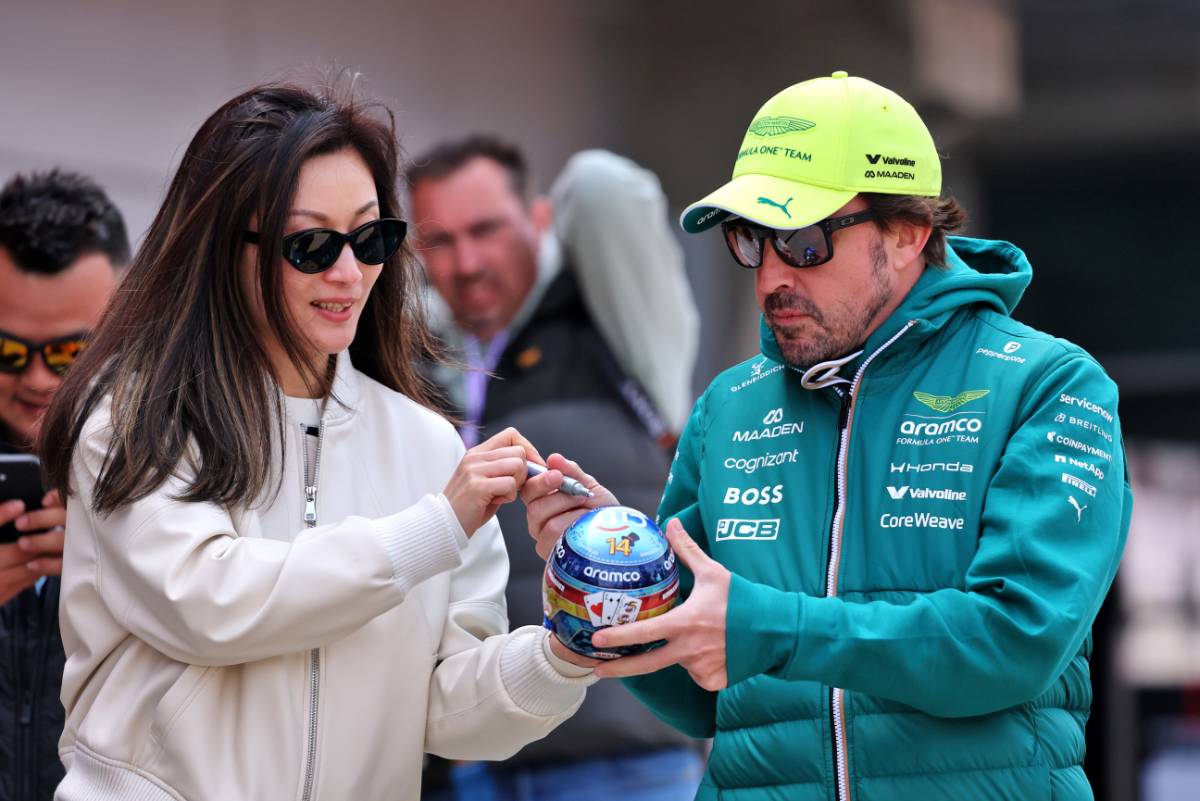
Zhou Guanyu's homecoming adds a visible layer of intensity, yet the numbers will tell the quieter story. Local expectations function like an extra variable in the pressure equation, similar to how personal milestones once correlated with subtle lap-time drops in historical datasets. Lewis Hamilton and Fernando Alonso bring prior Shanghai wins into the mix, their experience functioning as living memory against the blank slate confronting Oscar Piastri and Logan Sargeant.
The danger lies in the coming hyper-focus on analytics. Within five years, pit-wall decisions will lean so heavily on predictive models that driver input gets reduced to confirmation rather than creation. We already see early symptoms: setup choices locked by simulation outputs before the first tire is fitted, leaving little room for the instinctive tweaks Schumacher used to exploit when conditions shifted mid-session. The result is racing that feels increasingly scripted, where the heartbeat of the lap time loses its human irregularity.
Data should excavate these moments, not bury them under layers of prescribed strategy.
The Road to Sterile Circuits
This Shanghai weekend will serve as an early stress test. Teams that treat the lone practice hour as a data harvest rather than a dialogue with the asphalt will likely post solid but uninspired numbers. Those willing to let drivers chase feel first may uncover the small edges that timing sheets reward. The broader trajectory, however, points toward greater uniformity. As algorithms tighten their grip on every variable from tire warm-up to energy deployment, the sport edges closer to the predictable outcomes already visible in simulation-heavy series.
The timing sheets from Friday will not just set the weekend order. They will mark another incremental step away from the visceral, fallible racing that once made Shanghai legendary.
Join the inner circle
Get the deep dives and technical analysis from the world of F1 delivered to your inbox twice a week.
Zero spam. Only high-octane analysis. Unsubscribe anytime.
Continue Reading
View More News