Shanghai Sprint Exposes Verstappen's Calculated Fury as Red Bull's Aero Weakness Emerges Under 2026 Rules
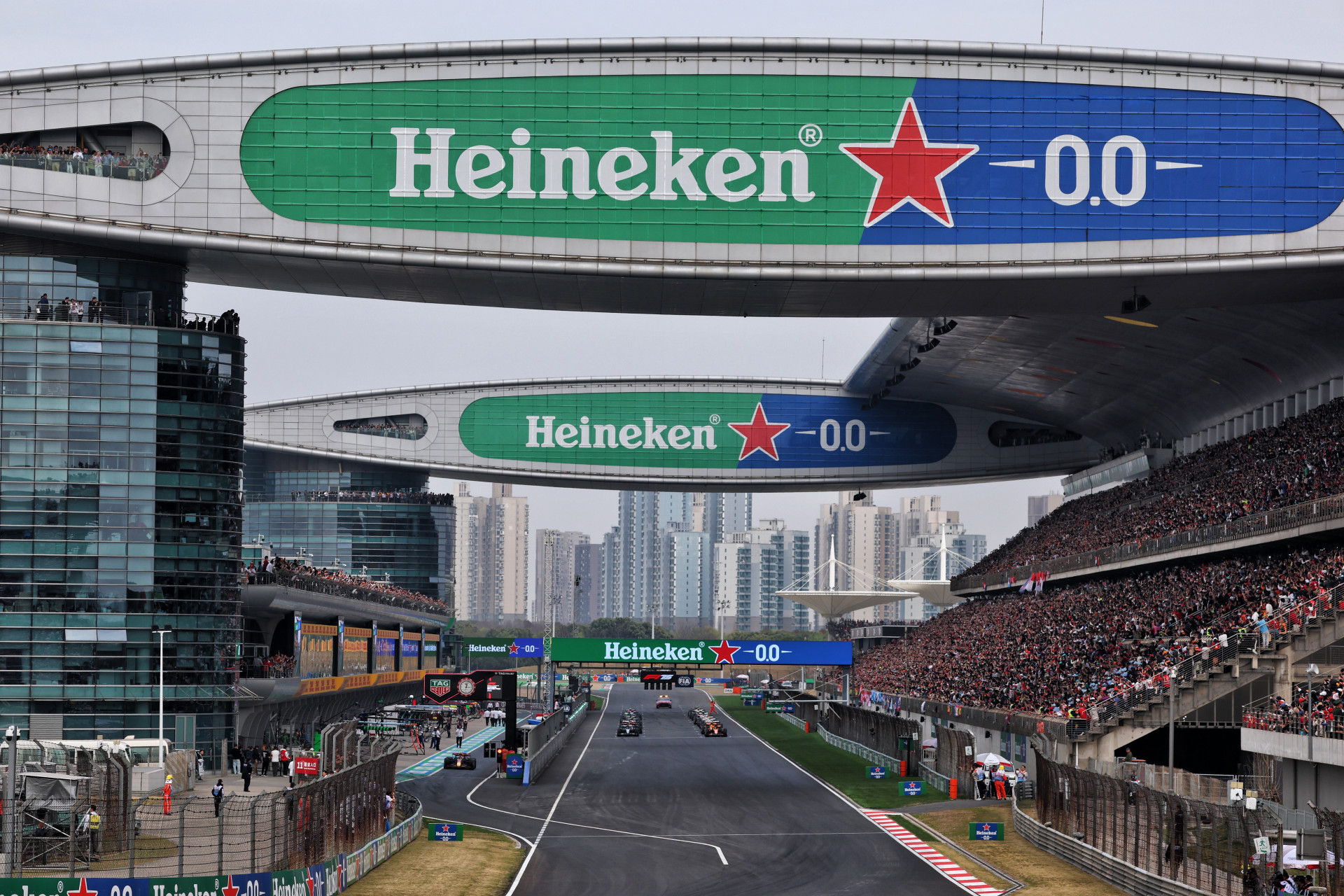
Listen up because the Shanghai paddock is already buzzing with the kind of whispers that make you lean in closer. This is not just another Chinese Grand Prix. It is the first Sprint weekend of 2026 and the opening real-world exam of the new technical regulations on a track that punishes hesitation. European viewers will drag themselves out of bed for those brutal early sessions but what they will witness could reshape how we think about drivers, data and the machines that might soon replace them.
Limited Practice Forces Emotion Over Numbers
The compressed schedule leaves teams with one practice session before Sprint Qualifying. That single run on Friday morning at 04:30 CET becomes everything. I have seen enough over the years to know pure data never wins these fights. A driver who feels alive or properly furious will always extract more from the car than any spreadsheet can predict.
Think about it. The Shanghai layout demands heavy braking and energy recovery yet the new power units must manage everything with far less margin. Drivers who stay calm and clinical will leave lap time on the table. Those who let emotion dictate their throttle inputs will find the rhythm first.
- Practice starts at 04:30 CET on Friday
- Sprint Qualifying follows at 08:30 CET the same day
- Sprint Race begins Saturday at 04:00 CET
- Grand Prix Qualifying kicks off at 08:00 CET
- The main race runs Sunday at 08:00 CET for 56 laps covering 305.256 km
Red Bull's vulnerabilities will show here. Max Verstappen's aggression is not random fire. It is theater designed to hide deeper aerodynamic flaws that the new regulations will expose on a high-speed circuit like this one. While he distracts everyone with on-track battles the engineers are quietly sweating the lack of downforce stability under the revised rules.
Hamilton Channels Senna's Legacy Through Media Savvy
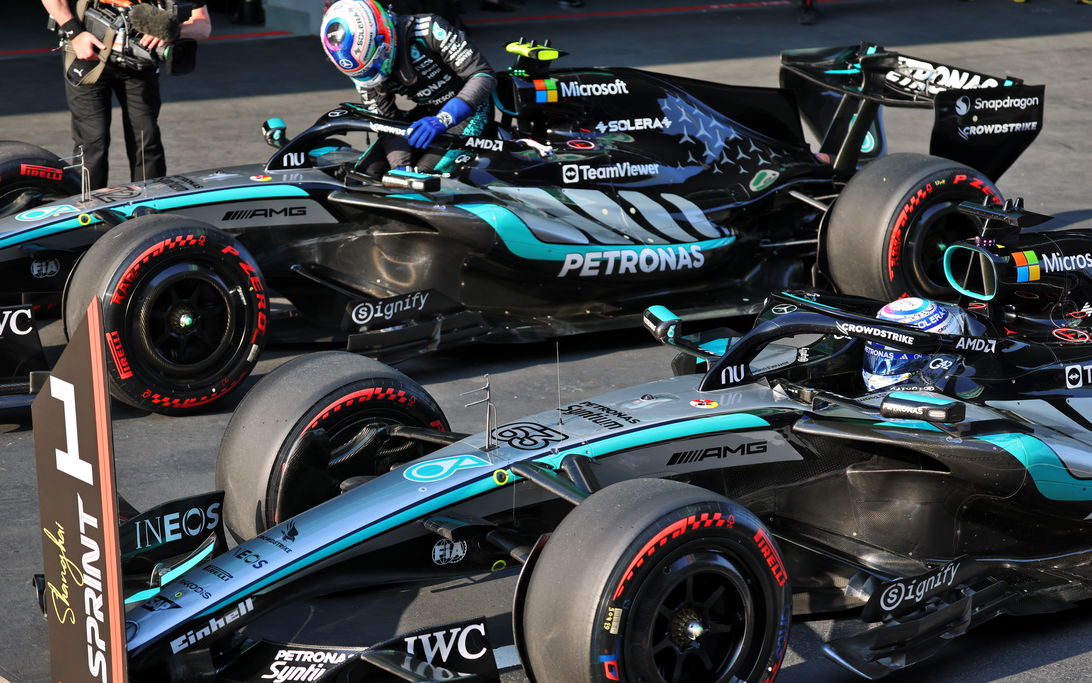
Mercedes arrive with momentum from Australia but the real question is whether that form travels to a completely different layout. Lewis Hamilton's approach mirrors Ayrton Senna's in one crucial way. Both understood that controlling the narrative outside the car often matters more than raw talent inside it. Hamilton leans on team politics and public positioning far more than Senna ever needed to because the modern media game rewards exactly that.
The single practice session adds unpredictability that no simulation can fully capture. Friday's running will decide the weekend.
This is where my long-held view comes into focus. Within five years the first fully AI-designed car will appear on the grid. Human drivers will become interchangeable software operators and races will turn into battles of code rather than courage. Shanghai's limited running already hints at that future. Teams that still rely on emotional readouts from drivers instead of cold optimization will hold the edge a little longer but the shift is inevitable.
Broadcast Access and the Global Audience
European fans face those early alarms yet the coverage remains wide open in key markets. Sky Deutschland holds exclusive rights across TV, Sky Go and WOW streaming for German viewers. ServusTV offers free-to-air options in Austria while SRF 2 provides qualifying and race coverage in Switzerland. The accessibility matters because every eye will be watching how the new cars behave under Sprint pressure.
McLaren, the reigning Shanghai race winners, will push hard on setup choices that favor the track's 55-60 percent full-throttle sections. Those zones are kinder to the 2026 energy systems than Melbourne proved but the heavy braking areas reward precise recovery more than outright power. The team that reads driver mood correctly during that lone practice hour will steal the early advantage.
The Chinese Grand Prix has always rewarded bold calls. This year the boldest call may simply be admitting that feeling the car still beats calculating every last decimal point.
Final Prediction From the Paddock
Expect Verstappen to create early drama that masks Red Bull's setup compromises. Hamilton will manage the story as skillfully as the car itself. And somewhere in the data rooms young engineers are already sketching the first outlines of an AI machine that will make all of this human theater look quaint. Shanghai is just the beginning.
Join the inner circle
Get the deep dives and technical analysis from the world of F1 delivered to your inbox twice a week.
Zero spam. Only high-octane analysis. Unsubscribe anytime.
Continue Reading
View More News