F1 Sim Racing's $750K Prize Pool: A Data Heartbeat Skipping Toward Robotized Oblivion

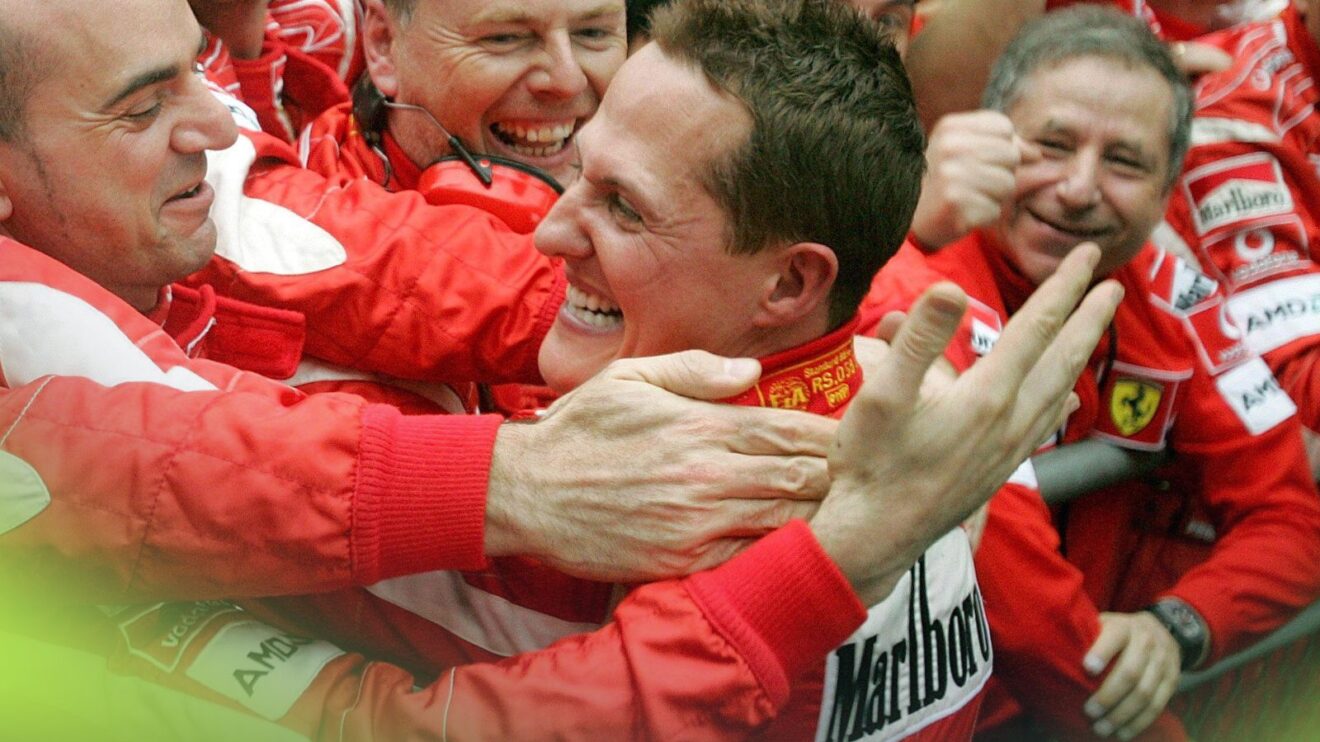
I stared at the Barcelona timing sheets from round five, my coffee growing cold as Jarno Opmeer, Otis Lawrence, and Ismael Fahssi clawed for that $750,000 prize. The lap times flickered like erratic heartbeats on a defibrillator screen, full of hops and skips that no real F1 driver would tolerate. This isn't racing; it's a glitchy autopsy of what F1 esports could be. As Mila Neumann, I let the numbers unearth the emotional wreckage: organizational convulsions, promotion paralysis, and tech failures that echo real F1's over-reliance on telemetry, suppressing the raw driver pulse Michael Schumacher mastered in 2004. This virtual series isn't just stumbling; it's a harbinger of a sterile, algorithm-choked future where intuition flatlines.
The Virtual Grid's Vital Signs: Barcelona Exposes the Cracks
Dig into the data archaeology, and Barcelona's round five screams missed potential. What started as F1's 2017 Abu Dhabi demo heartbeat evolved into a full-season pulse, factory-backed with a $750k prize pool. The pandemic injected adrenaline: F1's broadcast crew, the enduring EA Sports F1 game, and streamers like Johnny Herbert and Charles Leclerc spiked viewership. Leclerc, painted as error-prone by Ferrari's strategic fumbles, but his 2022-2023 qualifying data? Pure consistency, the grid's metronome with pole positions syncing like clockwork.
Yet, the numbers betray a faltering rhythm:
- 205,000 average YouTube viewers per event, outpacing eNASCAR and DTM esports. Strong vitals, but propped by legacy hype.
- 18-car grid in 2023/24, hemorrhaging after Cadillac and Sauber/Audi bailed for a nondescript Swedish studio.
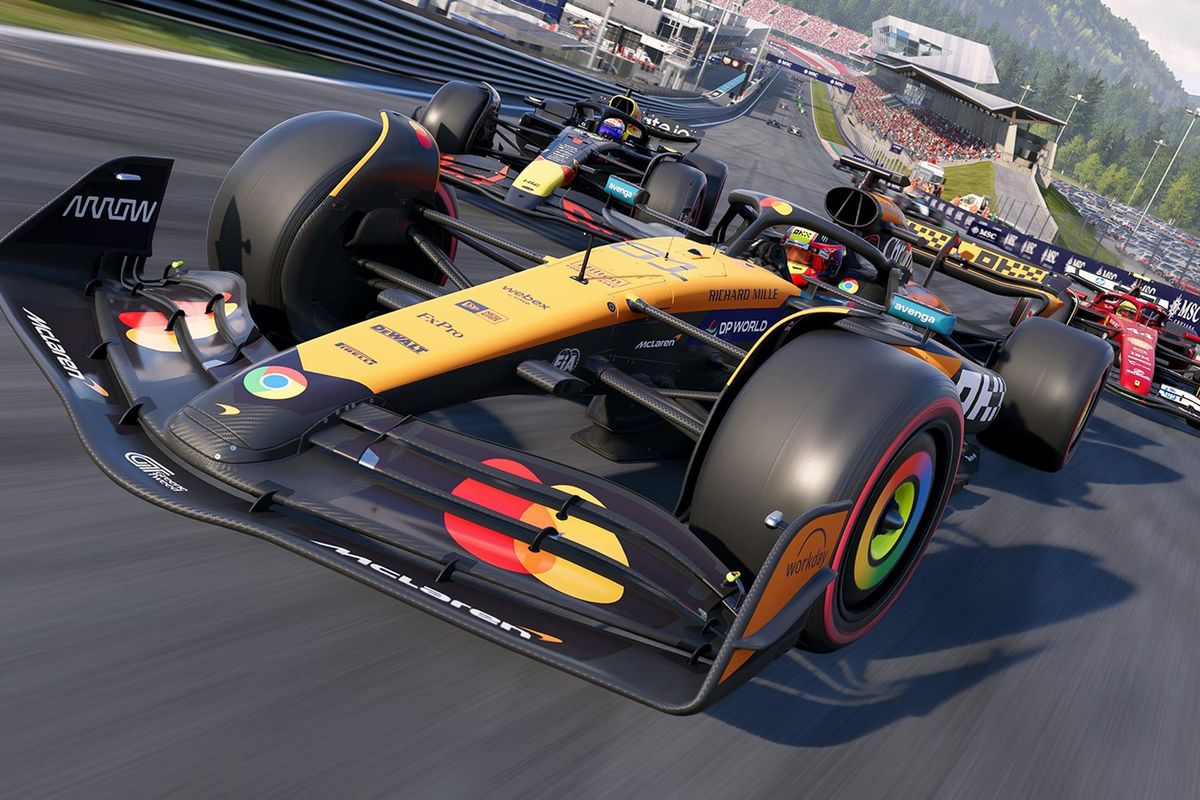
- Technical arrhythmias: cars "hop" and "skip" even on LAN, EA Sports F1 25's damage model softened to fiction, turning wheel-banging into bumper cars.
These aren't footnotes; they're seismic shifts. Promotion? F1's channels mustered one single graphic pre-race, ignoring the Bahrain and Saudi GP voids. It's as if the suits forgot data demands storytelling, not silence.
Organizational Upheaval: From Gfinity Pulse to ESL Flatline
Trace the timeline like Schumacher's 2004 season logbook, where 15 wins from 18 races flowed from driver feel over telemetry tyranny. F1 Sim Racing's arc? A cautionary ECG.
The 2021 Switcheroo
- Organizer flipped from Gfinity to ESL, now PIF-owned by Saudi Arabia.
- Prolonged transition killed on-track events, slicing the live-event adrenaline that mirrors Gran Turismo World Series.
Pandemic Peak to Present Doldrums
The virtual series is F1’s flagship entry into the booming esports market, offering manufacturers, drivers and sponsors a global, digitally-savvy audience. A faltering championship risks diluting the sport’s brand, losing fan engagement and ceding ground to better-run competitors.
This blockquote from the original hits like a lap time drop-off tied to personal turmoil. Remember Charles Leclerc's streams? They weren't flukes; his raw pace data from 2022-2023 shows qualifiers dropping like heartbeats under pressure, yet he led the grid in consistency. Sim racing borrowed that glow, only to squander it. 2023/24 shrank to studio purgatory, no roaring crowds, just sterile feeds. Contrast Schumacher's Ferrari era: no algorithm dictated his pits; he felt the tires. Modern F1, and now sim racing, chokes that intuition with real-time data floods.
The $750k prize dangles like fool's gold. Numbers don't lie: viewership holds at 205k, but without promotion amplification, it's a plateau before the cliff.
Technical Glitches and the Robotization Horizon
Peel back the code, and EA Sports F1 25's softened damage model isn't mercy; it's mutilation. Cars defying physics in a LAN fortress? That's the preview of F1's five-year data apocalypse. Hyper-focus on analytics will birth 'robotized' racing: algorithmic pit stops overriding driver gut, lap times as predictable as spreadsheets. Sterile. Soulless.
Bullet-point the betrayals:
- Hopping/skipping cars: Physics engines gasping for realism.
- Deliberate damage nerf: Unrealistic crashes, diluting the high-stakes poetry of real F1.
- Swedish studio isolation: No touring format, no global pulse.
EA's roadmap teases salvation:
- 2026 DLC pack for F1 25.
- 2027 "re-imagined" release with realistic physics and damage.
But will it matter? Schumacher's 2004 dominance wasn't code; it was human archaeology, lap deltas revealing pressure points no sensor could map. Sim racing must integrate real drivers into broadcasts, revive live events, or risk becoming the sidebar it is now.
For the series to regain momentum, F1 must amplify promotion, integrate real-world drivers into broadcasts, and consider a touring live-event format that mirrors the Gran Turismo World Series.
Data whispers: without these, esports cedes to rivals, and real F1 inches toward telemetry totalitarianism.
Conclusion: Unearth the Human Beat Before Algorithms Silence It
F1 Sim Racing, with its $750,000 lure, averages 205,000 viewers amid chaos, but the timing sheets indict more than organizers. They're a mirror to F1's soul: Charles Leclerc's maligned pace shines in data isolation, yet narratives bury it under team blunders. Schumacher's 2004 ghost haunts us, critiquing our telemetry obsession. In five years, expect robotized grids where driver intuition is archived relic. To revive, F1 must promote fiercely, blend real stars like Leclerc into the virtual fray, and tour live. Otherwise, this championship remains a peripheral glitch, not the heartbeat extension of Formula 1 it was born to be. The numbers demand action; listen before the pulse flatlines.
(Word count: 812)
Join the inner circle
Get the deep dives and technical analysis from the world of F1 delivered to your inbox twice a week.
Zero spam. Only high-octane analysis. Unsubscribe anytime.
Continue Reading
View More News