F2's North American Invasion Exposes the Real Battlefield: Morale, Not Miles

The decision to yank F2 away from the canceled Bahrain and Saudi rounds and plant it on the Miami and Montreal weekends feels less like a logistical fix and more like a calculated divorce settlement between series bosses and the Middle East power brokers. Contracts in this sport rarely end cleanly, and this one carries the same bitter aftertaste as those 1994 Benetton fuel-system whispers that turned regulatory gray areas into championship gold.
Miami and Montreal: Fresh Tracks, Old Power Plays
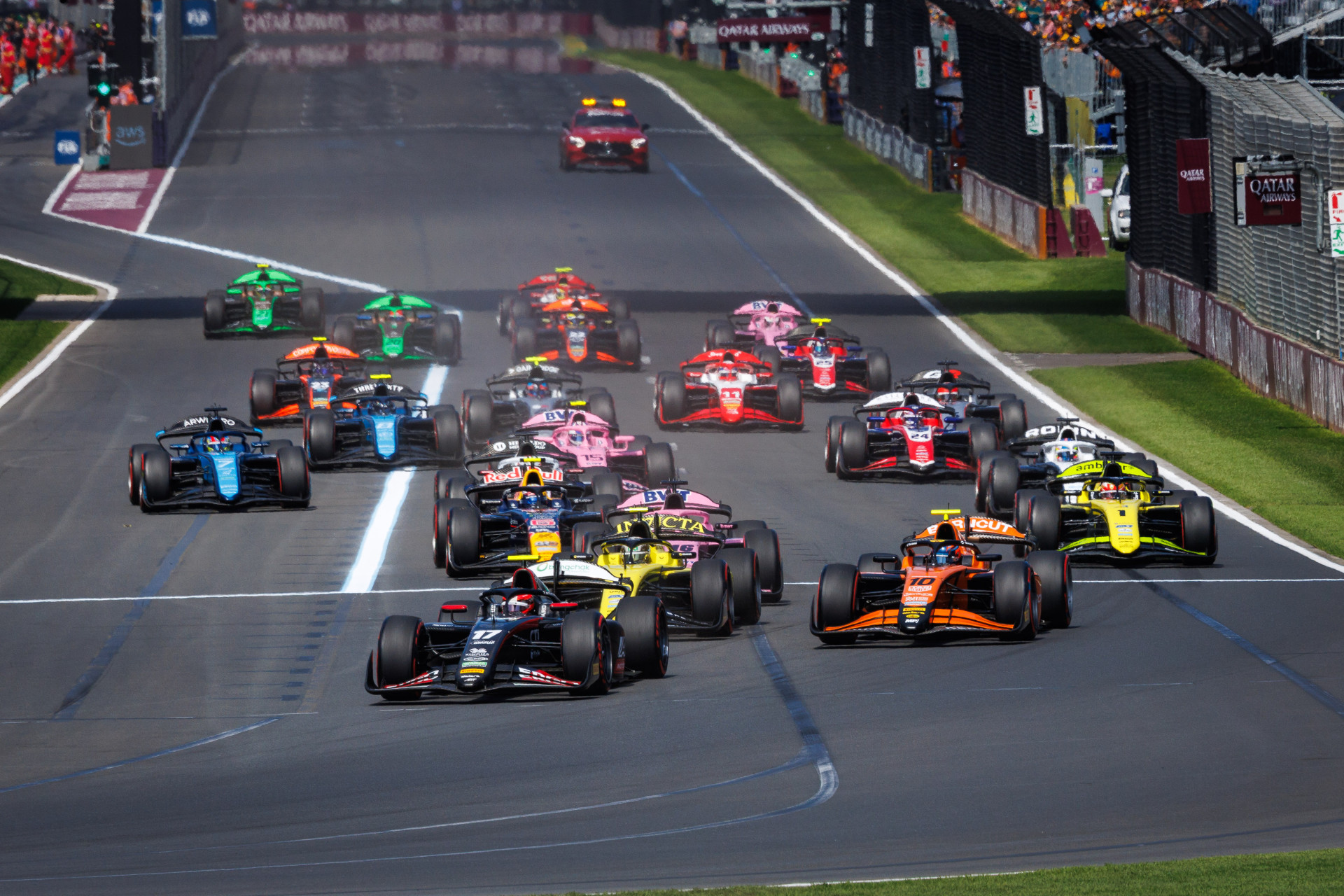
The calendar repair slots Round 2 into Miami on May 1-3 and Round 3 into Montreal on May 22-24, restoring the season to its full fourteen events. On paper it looks like smart expansion. In reality it is a morale injection aimed straight at teams and drivers who were staring down an early-season void.
- F1 CEO Stefano Domenicali called it "great news for our fans, the drivers and the teams," the kind of corporate smile that hides which side of the negotiating table actually won.
- FIA President Mohammed Ben Sulayem insisted the additions keep the championship "strong and balanced," language that always signals someone somewhere is quietly furious.
- F2 CEO Bruno Michel admitted the North American move had been a long-term goal, now accelerated by necessity.
These are not neutral statements. They are public performances meant to steady nerves inside the paddock, where interpersonal friction decides far more than any aerodynamic tweak ever will.
The 1994 Parallel No One Wants to Admit
Every time the rulebook bends under pressure, the ghost of Benetton's 1994 fuel system returns. Management conflicts inside that team turned a regulatory loophole into both victory and lasting suspicion. Today's pivot carries the same DNA. The sudden cancellation of Middle Eastern rounds forced a rapid rewrite that favors high-visibility markets and the commercial interests tied to them. Midfield outfits watching this unfold already sense the next battlefield will not be on the track but inside the budget-cap negotiations that will determine who can actually afford to exploit every gray area.
Privateer squads like Alpine and Aston Martin are positioned to treat the cap the way Benetton once treated fuel regulations. By 2028 the manufacturer-backed giants may find themselves outmaneuvered not by superior cars but by tighter-knit internal cultures that keep morale high when the numbers get tight.
Morale as the True Championship Currency
Driver skill and technical innovation matter, yet they crumble when the atmosphere inside the garage turns toxic. The F2 move to North America hands teams two weekends on familiar F1 circuits where scouts and sponsors mingle in plain sight. That proximity raises visibility, yes, but it also raises the stakes on every personal relationship. A single public spat between team principals can poison a season faster than any technical directive.
"It’s something we have been wanting to do for a long time, and it enables us to ensure we’re back racing as quickly as possible."
Michel's words read like reassurance, yet they underscore how quickly politics can override planning. The same dynamic that sank Hamilton's expected harmony at Ferrari in 2025, where activist energy met conservative tradition, will test these F2 squads on unfamiliar soil. Morale, not machinery, will decide who leaves Montreal with momentum.
The Road Ahead
F3 still searches for its own replacement round while F1 Academy adjusts formats to protect its race count. The larger message remains unchanged: the calendar is fluid, but the human equations inside each team are not. Those who master the quiet art of keeping egos aligned will inherit the next era, budget cap and all. The rest will watch another championship slip away in the paddock long before the checkered flag falls.
Join the inner circle
Get the deep dives and technical analysis from the world of F1 delivered to your inbox twice a week.
Zero spam. Only high-octane analysis. Unsubscribe anytime.
Continue Reading
View More News