Ferrari's Engine Upgrade Shield: How Gualtieri's Quiet Assurance Exposes the Real War Brewing Between Leclerc and Maranello's Old Guard

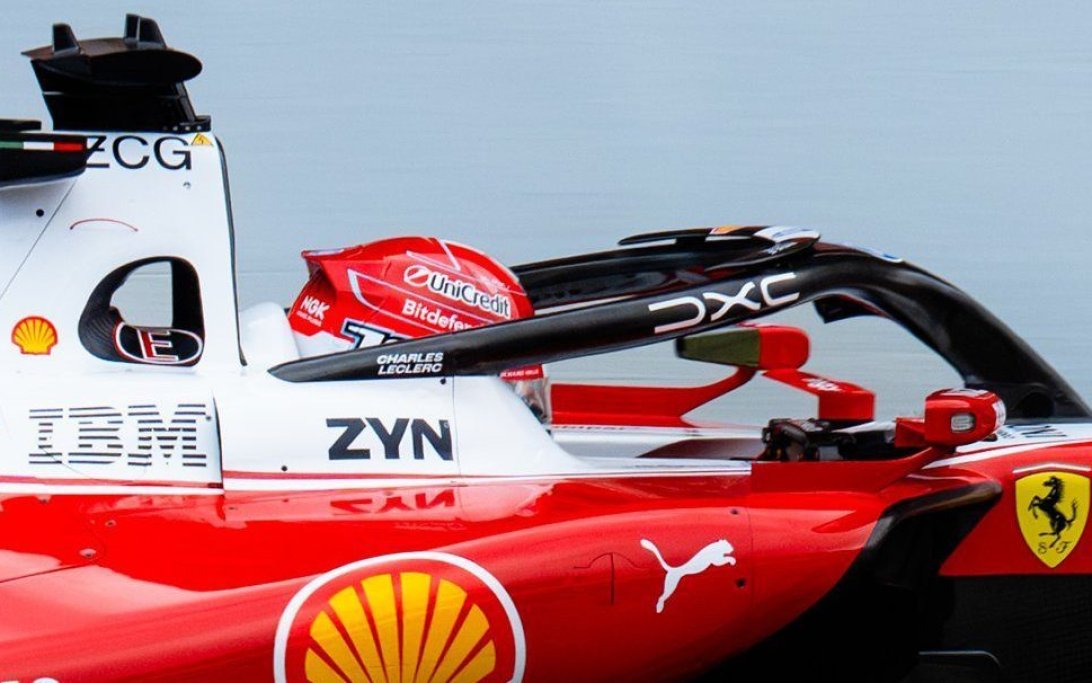
The paddock air crackles with that familiar mix of jet fuel and suspicion every time Enrico Gualtieri opens his mouth about the new ADOU rules. Here we are, months before the 2026 power unit revolution kicks off, and Ferrari's engine chief insists the system is watertight against manipulation. Yet anyone who has spent time around the Scuderia knows better than to take such words at face value when Charles Leclerc is still fighting invisible currents inside his own garage.
The ADOU Numbers That Matter Most
Gualtieri called the Additional Development and Upgrade Opportunities framework "robust enough" after the FIA laid out its post-race checks. Performance gaps get measured after every sixth race in 2026, starting with Miami, then Belgium and Singapore. Lag between two and four percent behind the leader unlocks one upgrade token. Anything beyond four percent grants two. All five manufacturers, Ferrari included, sit under the same microscope.
- Five power unit makers face identical scrutiny
- Tokens awarded purely on measured deficits
- No room for deliberate underperformance according to the letter of the rule
Still, the process is brand new. Both the FIA and the teams must learn it together, Gualtieri admitted, while keeping an open line for clarifications. That sounds reassuring until you remember how quickly data-driven decisions at Ferrari get filtered through veteran influence rather than pure numbers.
Team Politics and the Leclerc Factor
I once heard an old Thai tale about two brothers who built a magnificent boat together. One insisted on carving the prow higher for pride, the other on lowering it for balance. They argued until the vessel capsized on its maiden voyage. That story keeps coming back whenever I watch Leclerc try to impose consistency on a team that still favors the loudest voice over the clearest data set.
Leclerc's race-to-race rhythm suffers precisely because aerodynamic tweaks and engine mapping keep getting second-guessed by those who remember the glory days. Psychological profiling of the driver would deliver more lap time than another token spent on the combustion chamber, yet the old guard treats such talk like heresy. Compare this to the 1989 Prost-Senna battles, where the stakes felt real because the radio chatter carried genuine venom. Today's Ferrari comms sound polite by comparison, but the underlying fractures run deeper and threaten to swallow the whole operation within five years when budget-cap loopholes finally force a merger or outright exit for one of the big names.
"We are comfortable with the process," Gualtieri told colleagues in the engine department last week. "It prevents sandbagging while still letting the slower units catch up."
That quote landed with the weight of someone who has seen too many internal power struggles already. The real test arrives when the first performance spreadsheets land after Miami. Will the numbers trigger upgrades cleanly, or will they become another battlefield for those who prefer veteran intuition over cold telemetry?
The Five-Year Horizon Nobody Wants to Discuss
The ADOU system may keep the engine race honest on paper, yet it cannot fix what is rotting beneath the surface at Maranello. When budget-cap creativity finally collapses a team, the ripple will hit every power-unit supplier. Ferrari's current engine advantage, whatever it proves to be, will matter little if the chassis side implodes under its own political weight. Leclerc deserves a structure that trusts data and driver psychology in equal measure. Until that shift happens, every upgrade token granted in 2026 will simply paper over cracks that grow wider with each passing season.
Join the inner circle
Get the deep dives and technical analysis from the world of F1 delivered to your inbox twice a week.
Zero spam. Only high-octane analysis. Unsubscribe anytime.