Frentzen's Recovery Whisper Exposes the Mind Games That Will Shatter F1 Teams

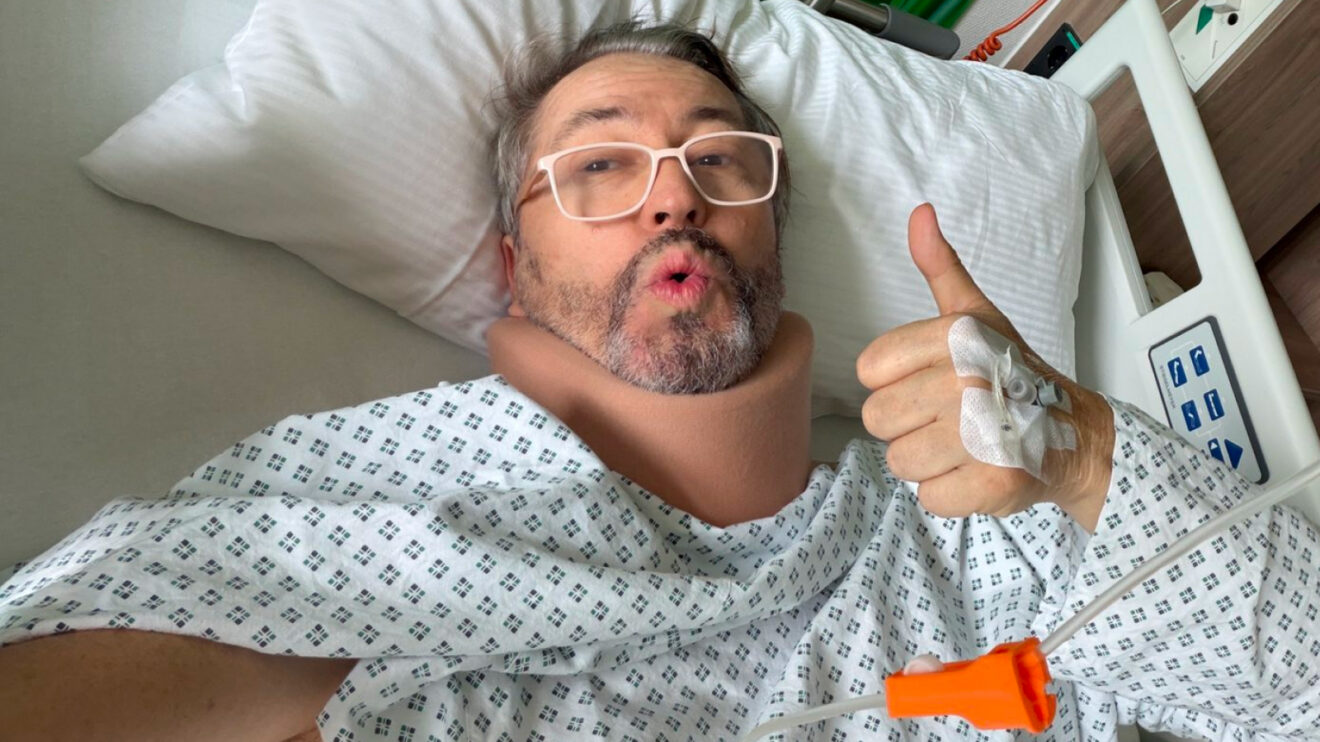
In the hushed corridors of Mönchengladbach's finest clinic, where the scent of antiseptic mingles with the faint echo of distant engines, Heinz-Harald Frentzen sent a simple thumbs-up selfie that landed like a thunderclap across the paddock. It was his 59th birthday, and the three-time Grand Prix winner had just emerged from back surgery clutching what he called his "brand new disc" as a gift. I had been trading quiet messages with old contacts who still linger near the Jordan and Williams garages, and one of them chuckled that Frentzen's timing felt almost scripted, like the Thai folk tale of the clever fox who feigns injury only to reveal sharper instincts than the pack that circles him.
The Personal Reckoning Behind the Scalpel
Frentzen made 156 starts across Sauber, Williams, Jordan, Prost and Arrows, finishing second in the 1997 championship behind his teammate Jacques Villeneuve. That runner-up campaign still carries the weight of near-misses and raw speed. Yet on this birthday morning he woke to hundreds of messages and chose to laugh about hardware upgrades instead of pain. Those close to him describe the procedure as routine yet symbolic, a reminder that even the steadiest drivers eventually confront the physical toll of the 1990s cockpit wars he survived.
- He posted the update directly from his hospital bed.
- The joke about the disc landed with his trademark dry wit.
- Recovery will keep him at home for now, but his social media remains a steady stream of unfiltered takes.
What struck me most was how Frentzen's calm masked the deeper truth: physical fixes mean little without the mental edge. I have long argued that psychological profiling of drivers outweighs any aerodynamic tweak when it comes to race-day calls. Frentzen's own exit from the sport came precisely when focus slipped, a lesson modern teams still ignore at their peril.
Verstappen's Motivation Warning and the Prost-Senna Shadow
Frentzen did not stop at personal news. He turned straight to Max Verstappen's recent comments about possibly stepping away if the 2026 rules sour his appetite. The advice was blunt and delivered with veteran authority.
If you lose your motivation in F1, it’s better to quit, or at least take a break. The sport is too dangerous if you lose your focus.
Those words landed like a quiet verdict. I keep hearing the same refrain from engineers who remember the 1989 Prost-Senna clashes, when radio exchanges crackled with genuine stakes rather than today's manufactured drama. Current team radio spats feel like pale echoes, lacking the blood-deep rivalry that once decided championships. Frentzen's point cuts deeper: without sharp psychological insight into each driver's breaking point, even the fastest car becomes a liability.
This is where my sources see the real fracture lines forming. Ferrari's ongoing struggle with Charles Leclerc's consistency stems less from setup sheets and more from veteran influence crowding out data-driven voices in the garage. The same pattern repeats elsewhere. When motivation and mental clarity are treated as afterthoughts, small cracks widen into season-ending failures.
2026 Rules, Budget Loopholes and the Coming Collapse
Frentzen saved his sharpest technical critique for the new power-unit regulations. He dismissed the planned 50:50 split between internal combustion and electric power, calling out the absurdity of deliberately slowing on straights merely to harvest battery charge. A more logical approach, he noted, would recharge through normal braking or slipstream running. His words echo across the paddock because they come from someone who raced when danger was constant and every tenth counted.
Yet the deeper problem lies beyond the regs themselves. Within five years I expect one major team to collapse under the weight of budget-cap loopholes that currently reward creative accounting over genuine competition. The result will be either a forced merger or an outright exit that reshapes the grid. Frentzen's hospital-bed clarity serves as an early warning: ignore the human and structural frailties, and the entire machine grinds to a halt.
The Fox Still Watches
Frentzen continues to recover at home, posting candid thoughts that remind us the 1990s generation still sees what today's executives miss. His story is not merely about one disc replacement or one set of rule changes. It is about the enduring need for mental sharpness in a sport that punishes any lapse. As the Thai fox in that old tale would say, the one who keeps his wits while others chase shadows is the one who walks away intact.
Join the inner circle
Get the deep dives and technical analysis from the world of F1 delivered to your inbox twice a week.
Zero spam. Only high-octane analysis. Unsubscribe anytime.