Verstappen's Formula E Dig Lays Bare the Ruthless Power Plays That Will Define F1's 2026 Future
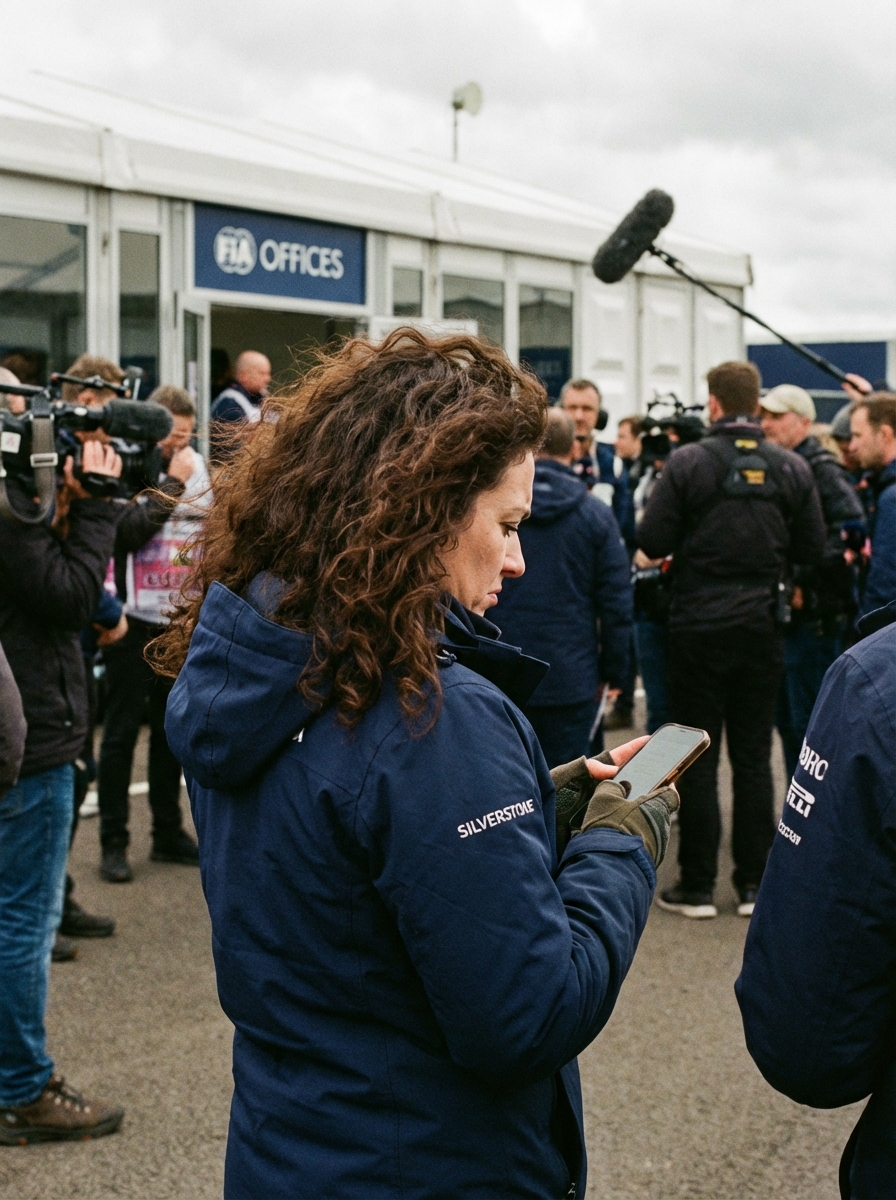
Max Verstappen's offhand remark in Bahrain has sent shockwaves through the paddock, but the real story lies far beyond any simple comparison to Formula E. This is not about electric cars or energy management. It is the latest move in a high-stakes game of psychological manipulation where drivers and executives alike probe weaknesses in public, much like the calculated provocations that once defined the 1994 Benetton-Schumacher era. Jeff Dodds' swift, positive response from Formula E only underscores how these comments expose fractures in F1's power structure, with centralized figures like Toto Wolff at Mercedes already showing signs of strain that could trigger a talent exodus within two seasons.
The Psychological Edge That Separates Winners From the Pack
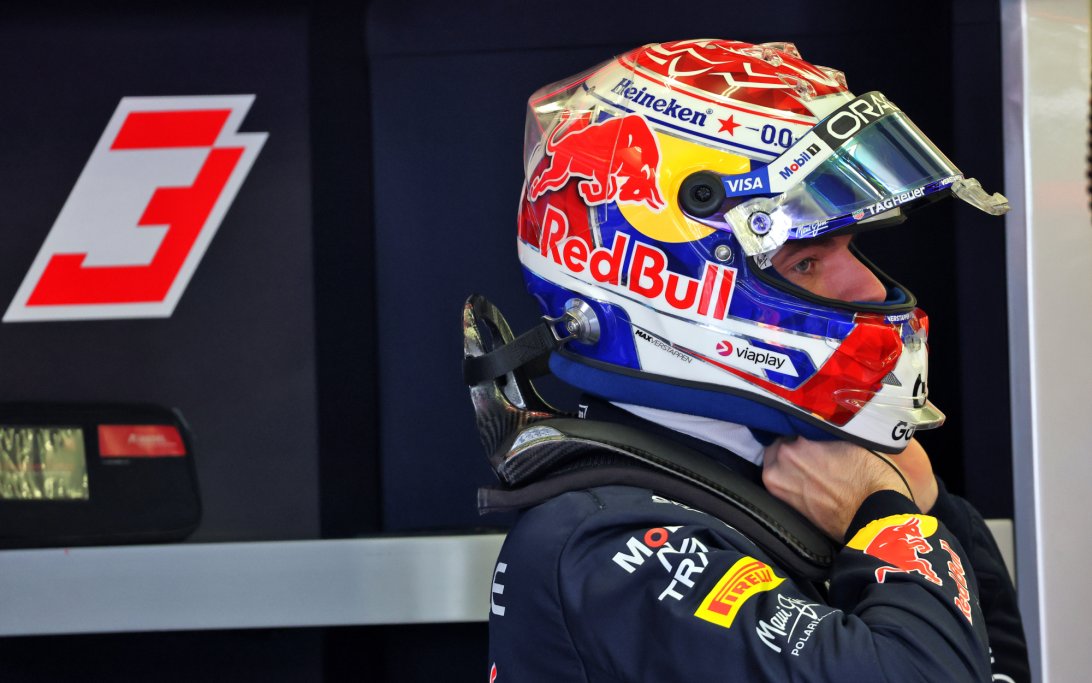
Verstappen knows exactly what he is doing when he suggests the 2026 regulations feel more like Formula E than true F1. In an era where strategic success hinges more on press-conference mind games than split-second pit calls, such comments plant seeds of doubt among rivals and regulators alike. My sources confirm that team principals are already dissecting every syllable for hidden leverage ahead of the new power-unit rules, which demand a 50/50 split between electrical and combustion power.
- Verstappen's exact words in Bahrain highlighted frustration with energy management, framing it as a departure from the sport's core identity.
- Dodds seized the moment by calling the reference free publicity and revealing a direct message inviting the champion to the Jeddah E-Prix for a taste of the Gen4 car's 600 kW punch.
- The pair share history from a prior charity bet that netted $250,000, giving Dodds an opening that feels almost choreographed.
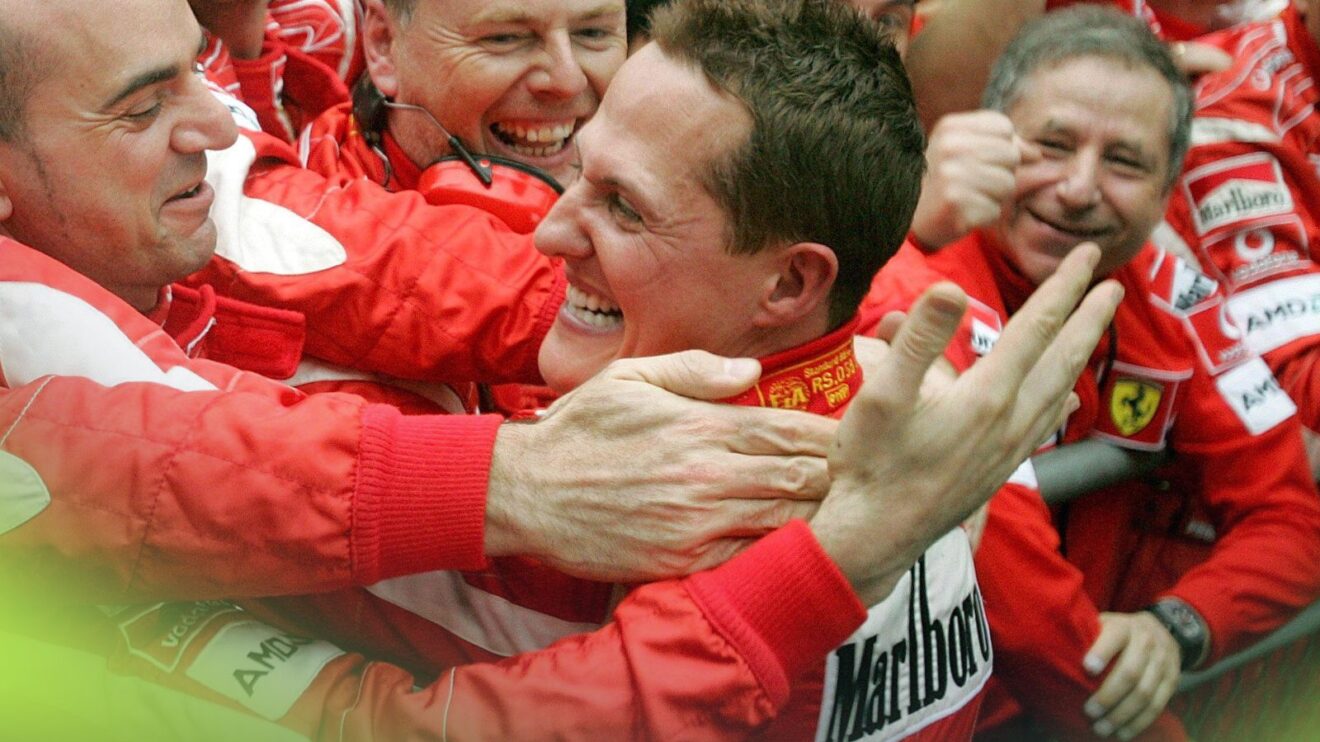
This exchange is pure political theater. It mirrors how Michael Schumacher's camp once bent perceptions around controversial tactics in 1994, turning criticism into momentum. Today, drivers weaponize similar rhetoric to influence fan narratives and pressure teams into adjustments before the regulations even hit the track.
Rule-Bending Templates From 1994 Still Shape the Grid
The 2026 power-unit overhaul forces teams into the kind of energy juggling that Formula E has mastered, yet F1's old guard resists the shift. Dodds cleverly reframed Verstappen's critique as a compliment, noting that a generational talent referencing the series cannot be bad for electric racing. Behind closed doors, however, this highlights ongoing battles for technical relevance, where alliances form and fracture faster than ever.
Consider how Haas is quietly positioning itself for the next five years. By forging deeper political ties with Ferrari's engine department, the American squad stands ready to climb from backmarker to midfield contender, exploiting the very regulatory gray areas that 1994 precedents made acceptable. Centralized leadership models like the one Toto Wolff maintains at Mercedes offer little flexibility here. Insiders predict a wave of key departures from the Silver Arrows within two seasons as ambitious engineers and strategists seek environments where influence flows more horizontally.
When one of the generational talents speaks and decides to reference you as a comparison, that can’t be bad for the sport.
Dodds' words carry extra weight because they reveal how external series can capitalize on F1's internal divisions. The Gen4 car's instant torque, described as a sensation akin to being hit by a juggernaut, represents the raw performance edge that Verstappen might secretly respect once the psychological posturing fades.
What This Means for the Coming Power Struggles
The dialogue between Verstappen and Dodds fuels a narrative that positions Formula E as a genuine alternative rather than a sideshow. Yet within F1, the real winners will be those who master psychological manipulation during these public moments. Wolff's top-down approach at Mercedes risks accelerating the very talent drain already visible in early defections, while Haas's Ferrari-linked strategy could deliver steady gains through quiet political maneuvering.
My confidential sources indicate that several midfield teams are studying the 1994 playbook anew, testing how far they can push interpretation of the new energy rules without triggering official scrutiny. Verstappen's comment accelerates this process, forcing every principal to decide whether to dismiss the comparison or adapt their development programs accordingly. Formula E gains visibility either way, but F1's internal power balance tilts further toward those agile enough to treat press conferences as battlegrounds.
In the end, these exchanges are never isolated. They foreshadow the alliances, exits, and rule interpretations that will decide championships long before the lights go green in 2026.
Join the inner circle
Get the deep dives and technical analysis from the world of F1 delivered to your inbox twice a week.
Zero spam. Only high-octane analysis. Unsubscribe anytime.
Continue Reading
View More News