Jarama Timings Expose How Data Pipelines Threaten to Erase Driver Soul

The lap sheets from Jarama do not lie. They pulse like heart monitors attached to young drivers pushing limits under the weight of team expectations, and the numbers already hint at pressure points that no press release will ever admit.
The Numbers Behind the Rookie Lineup
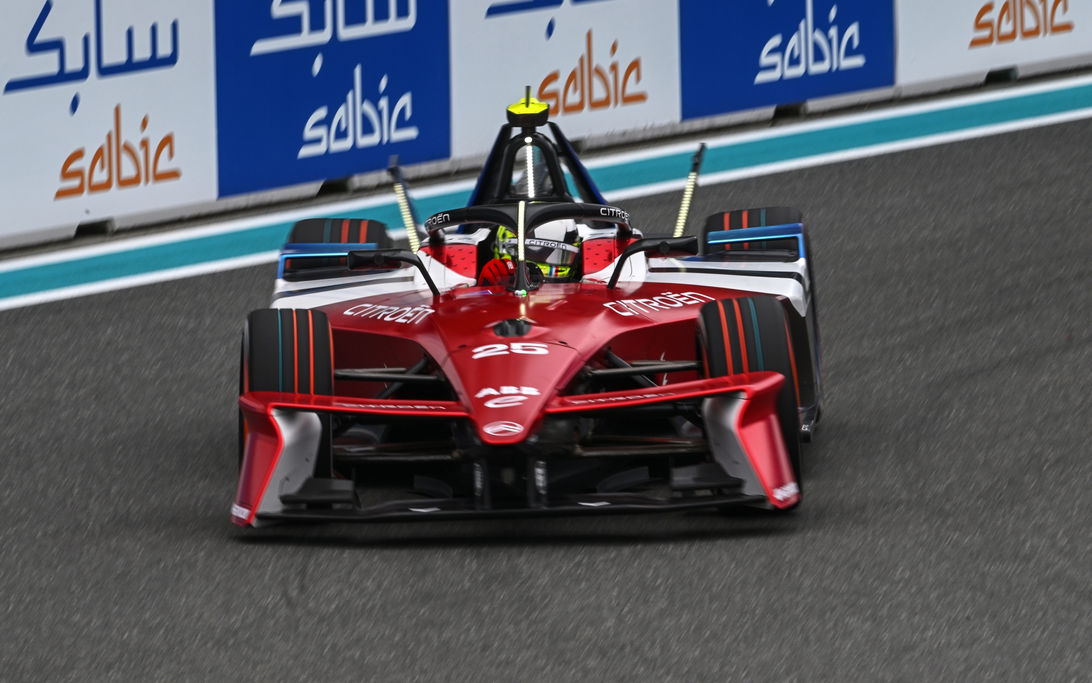
Timing data from similar tests shows how quickly raw pace can fracture when external variables intrude. Daniil Kvyat brings experience from his Red Bull days, yet his consistency metrics in prior sessions often dipped during high-stakes strategy calls. Theo Pourchaire, fresh off his 2023 F2 title, slots into Citroën alongside Mercedes development driver Joshua Dürksen. Their combined runs will generate thousands of data points on energy management and tire degradation.
Porsche fields DTM champion Ayhancan Güven paired with 16-year-old Elia Weiss for extra laps aimed at the 2024 factory program. Mahindra returns Kush Maini, an F2 race winner, while handing first laps to 18-year-old F3 prospect Théophile Naël. These entries mark a clear shift toward using the test as a genuine selection filter rather than mere promotion.
- Citroën pair focuses on long-run stability over single-lap heroics.
- Porsche duo targets Weiss's adaptation curve, tracking how a teenager handles Gen3 power delivery.
- Mahindra emphasizes Maini's racecraft data against Naël's qualifying bursts.
Schumacher's 2004 Standard Meets Modern Telemetry
Michael Schumacher's 2004 campaign at Ferrari remains the benchmark for driver intuition overriding inputs. He posted near-flawless consistency across twenty races because he read track feel before any screen updated. Today's teams, however, lean on real-time telemetry that risks turning every decision into an algorithmic suggestion. In five years this hyper-focus on analytics will likely produce the robotized racing I fear, where pit calls arrive pre-scripted and drivers suppress gut responses to chase predicted deltas.
The Jarama test could accelerate that trend if teams treat every millisecond solely as input for models instead of emotional archaeology. Lap time drop-offs often trace back to personal strain, yet spreadsheets rarely capture the full story. Correlating those fades with off-track events reveals more about a prospect's ceiling than any sector analysis alone.
"The data must serve the driver, not the other way around," Schumacher once implied through his on-track choices, a lesson modern programs overlook at their peril.
What the Sheets Predict for 2025-26
Six to eight of these rookies may secure full Gen3 seats depending on budgets and raw numbers. Teams will mine Jarama outputs to shape lineups ahead of the Madrid E-Prix and the broader calendar. Success here could cement the rookie test as a recruitment cornerstone, yet the danger lies in over-indexing on metrics that flatten intuition into predictable patterns.
My read of the emerging datasets suggests the most promising talents will be those whose times hold steady even when strategy sheets conflict with track reality. That trait echoes Schumacher's peak more than any current telemetry obsession ever could. Formula E's talent pipeline deserves scrutiny through this lens before it hardens into the sterile system already creeping across series that prioritize code over courage.
Join the inner circle
Get the deep dives and technical analysis from the world of F1 delivered to your inbox twice a week.
Zero spam. Only high-octane analysis. Unsubscribe anytime.
Continue Reading
View More News