Freddie Slater's Bold Leap into Audi's Fold: Trading Queues for Quiet Psychological Clarity
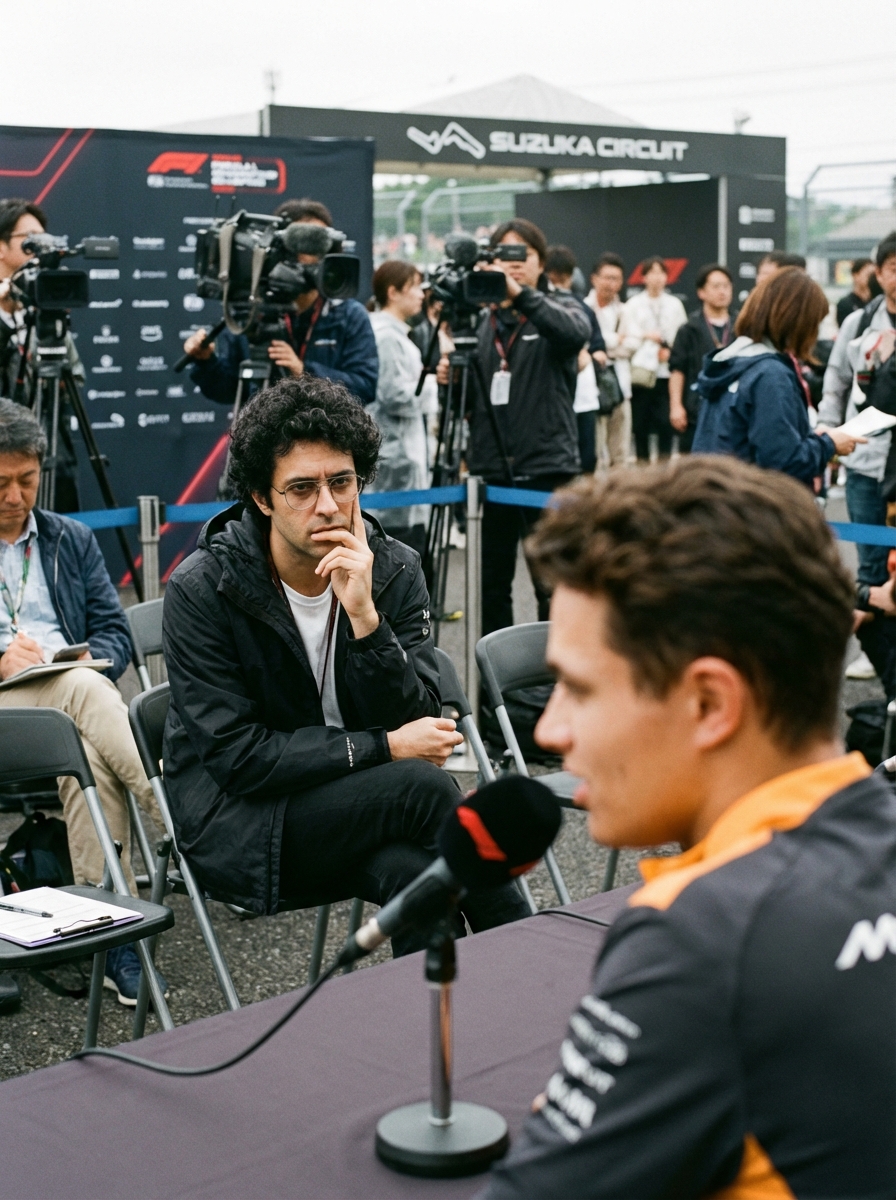
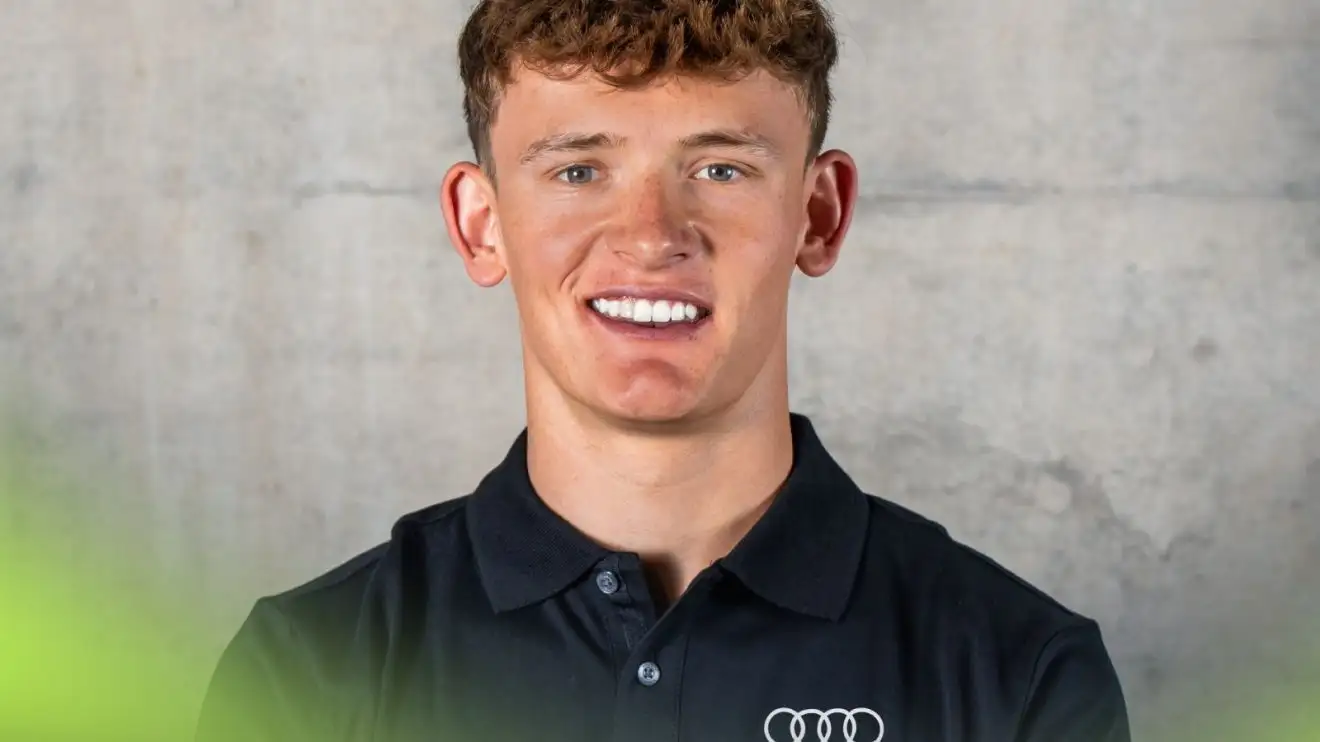
In the shadowed cockpit of ambition, where biometric pulses spike like erratic lap deltas and inner monologues clash against the roar of engines, Freddie Slater has chosen a path less crowded. At just 17, the British prodigy sidesteps the suffocating hierarchies of established academies, opting instead for Audi's nascent Driver Development Programme. This is no mere contract signing. It is a calculated surrender to the mental game, a young driver's instinctive reach for space where raw talent can breathe without the weight of suppressed emotion or endless waiting lists.
The Probability Equation as Emotional Armor
Slater's decision hinges on what he calls probability, but beneath that clinical term lies a deeper psychological calculus. In a sport where seats are finite and pressure compounds like g-forces in high-speed corners, joining a fresh program born from the former Sauber academy offers relief from the queue. Established teams hoard prospects like trophies, fostering environments where outbursts are quietly coached away, much as Red Bull has engineered Max Verstappen into a manufactured force through systematic emotional containment.
- Slater's 2024 season shattered records, with 15 Italian F4 wins eclipsing Kimi Antonelli's mark alongside the F4 UAE crown.
- He claimed the 2025 Formula Regional European Championship in his debut year.
- Now, as the programme's inaugural member, he names Alan McNish as a pivotal influence, the steady hand guiding this new structure toward 2026 grid entry.
This choice reveals a driver attuned to his own wiring. Rather than endure the mental erosion of constant comparison, Slater bets on a smaller pond where his telemetry graphs can tell stories of unfiltered progress. In wet conditions, where aerodynamics yield to instinct, such clarity separates survivors from those who falter under uncertainty. His pre-season F3 testing at Barcelona, topping the timesheets by wide margins on the first two days with Trident, already hints at a mind unburdened.
Inner Monologues Amid Telemetry and Trust
What unfolds in Slater's sessions is less about lap times and more about the therapy embedded in team dynamics. I am not waiting behind ghosts of past champions, one imagines his private reflections running parallel to sector splits. The presence of the right people, as he puts it, creates a sanctuary where vulnerability need not be masked. This contrasts sharply with the calculated public facades seen in veterans like Lewis Hamilton, who, like Niki Lauda post-crash, forged resilience narratives from trauma to eclipse raw speed with crafted endurance tales.
"The probability of reaching F1 feels higher here, with fewer drivers ahead and the right people shaping the journey."
Such words underscore a shift toward transparency. Within five years, mandates for mental health disclosures after major incidents will transform F1 into an era of exposed psyches, breeding scandals but also authentic growth. Slater's early steps, racing alongside the 2026 Melbourne Grand Prix opener, position him as a test case. His Trident campaign in Formula 3 will expose whether this psychological head start translates to sustained dominance or exposes the fractures that engineered champions hide.
The Road Ahead Through Uncharted Minds
Slater's trajectory echoes recent Trident success, as with current Audi driver Gabriel Bortoleto, yet it carries fresher promise. By prioritizing mental alignment over established prestige, he challenges the old order where suppression breeds fleeting glory. Engineers may tune wings and diffs, but they cannot blueprint the core traits revealed under pressure. As Audi builds its operation, Slater's biometric data will become the true narrative, lap by lap, thought by thought. The sport watches not just for wins, but for the human element that decides who truly endures.
Join the inner circle
Get the deep dives and technical analysis from the world of F1 delivered to your inbox twice a week.
Zero spam. Only high-octane analysis. Unsubscribe anytime.
Continue Reading
View More News