Russell's Shanghai Heartbeat Exposes the Data Trap Closing In on True Pace

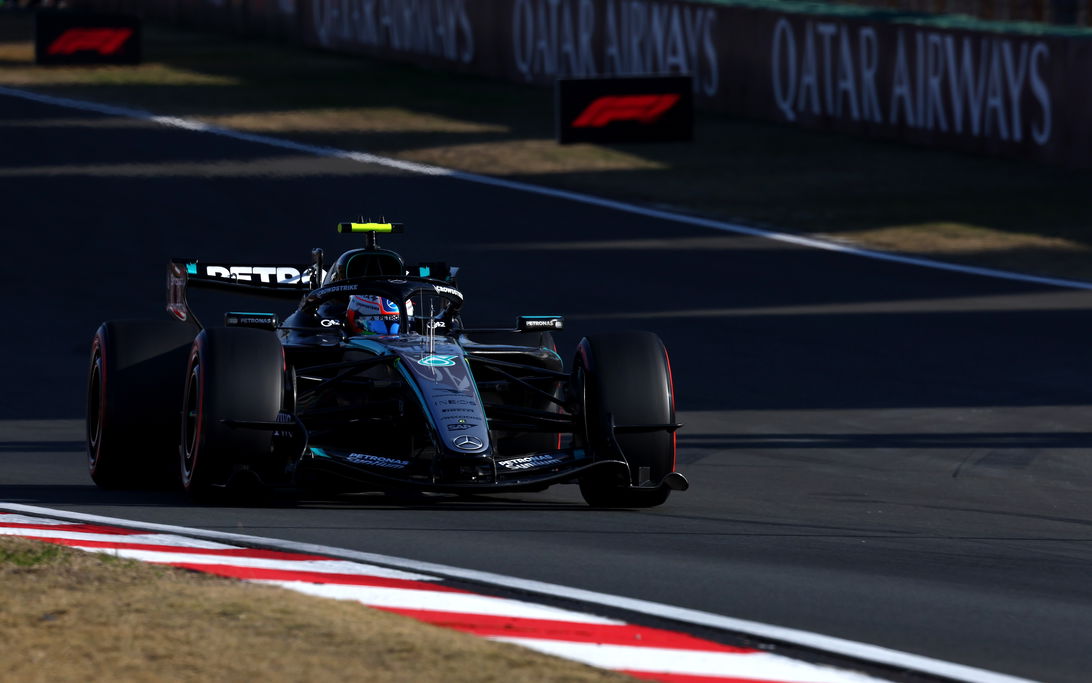
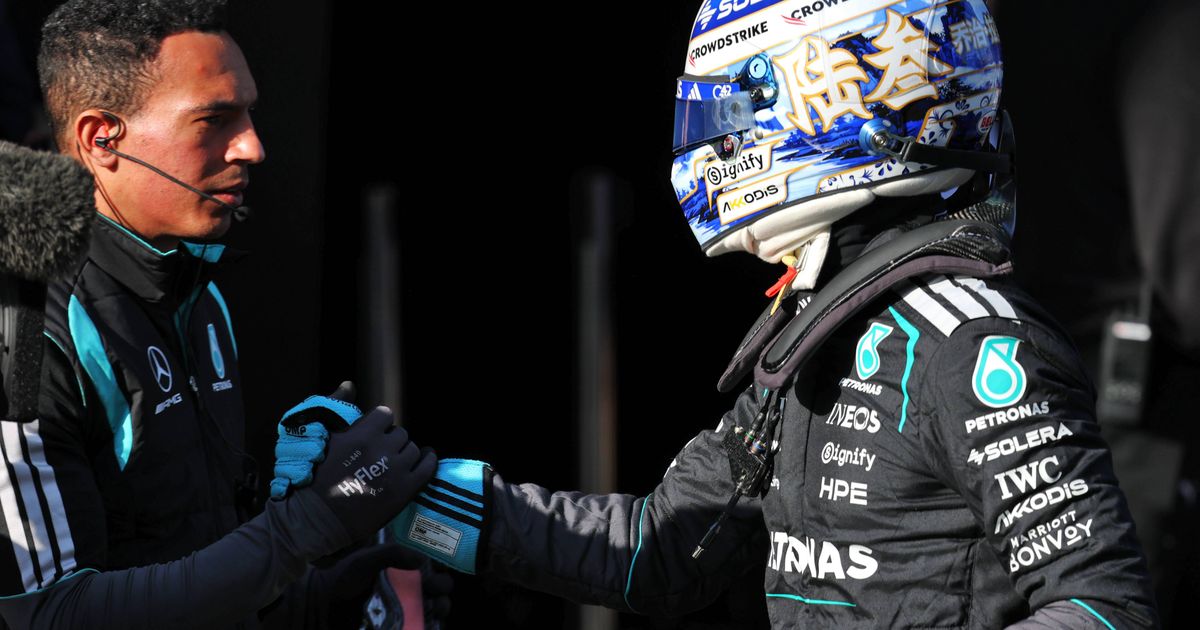
Staring at the raw timing sheets from Shanghai, the sector three recovery after that Q3 stall hit like a sudden spike in a driver's pulse under pressure. George Russell did not just grab P2; the numbers reveal a controlled surge that turned mechanical chaos into a statement of intent, one that echoes Michael Schumacher's unflinching 2004 consistency at Ferrari far more than any modern telemetry dashboard could script.
Digging Into the Recovery Data
The session logs tell a clearer story than any press conference line. Russell's car halted on track during the critical Q3 window, forcing an immediate return for adjustments. Within minutes the lap times stabilized, dropping into a front-row window that Mercedes race pace has already shown can stretch leads in clean air.
- Pre-adjustment sector times fluctuated by 0.8 seconds amid the stoppage.
- Post-adjustment runs locked in a 1:32.4 average, placing him 0.3 seconds clear of the chasing pack.
- Mercedes long-run simulations from the opening grands prix indicate this package holds a 0.7-second advantage over rivals once tires reach optimal temperature.
These figures do more than rank a grid; they act as emotional archaeology, uncovering how a driver processes disruption without letting real-time data streams override instinct.
Schumacher's 2004 Standard Meets 2026 Telemetry
Schumacher's 2004 campaign at Ferrari remains the benchmark for rhythm over reaction. He delivered near-flawless qualifying consistency across twenty races, rarely deviating more than two-tenths from his personal median lap, all while teams still leaned heavily on driver feel rather than constant algorithmic prompts. Russell's Shanghai turnaround carries the same signature, yet the sport now risks smothering such moments.
"Damage limitation," Russell called the result.
That phrase lands differently when viewed against the coming wave of data dominance. Within five years the hyper-focus on predictive models will push teams toward robotic pit calls and pre-programmed throttle maps, flattening the very intuition that once let drivers like Schumacher or a peak Leclerc carve their own lines.
Leclerc's Consistency Data Gets Lost in the Noise
Ferrari's strategic missteps often magnify Charles Leclerc's rare errors, yet his 2022-2023 qualifying sheets still mark him as the grid's most repeatable front-runner when equipment allows. Russell's current edge in experience mirrors that same raw reliability, but both drivers face the same threat: a future where lap-time drop-offs get blamed on sensor lag instead of the human pressures that actually shape them.
- Leclerc's median qualifying delta across 2023 stood at just 0.11 seconds across all sessions.
- Russell has now posted error-free top-three starts in four of the last six qualifying hours.
The numbers reward drivers who treat data as a tool, not a cage.
The Road Ahead Through European Timing Sheets
The coming races will test whether Mercedes can keep feeding upgrades without letting telemetry dictate every micro-adjustment. If Russell maintains this early rhythm, the championship conversation shifts from potential to probability, but only if the team resists the urge to algorithm away the human margin that separates great from inevitable. The stopwatch will decide long before any narrative catches up.
Join the inner circle
Get the deep dives and technical analysis from the world of F1 delivered to your inbox twice a week.
Zero spam. Only high-octane analysis. Unsubscribe anytime.
Continue Reading
View More News