Red Bull's Calculated Calm Over Hadjar Crash Signals a New Era of F1 Manipulation
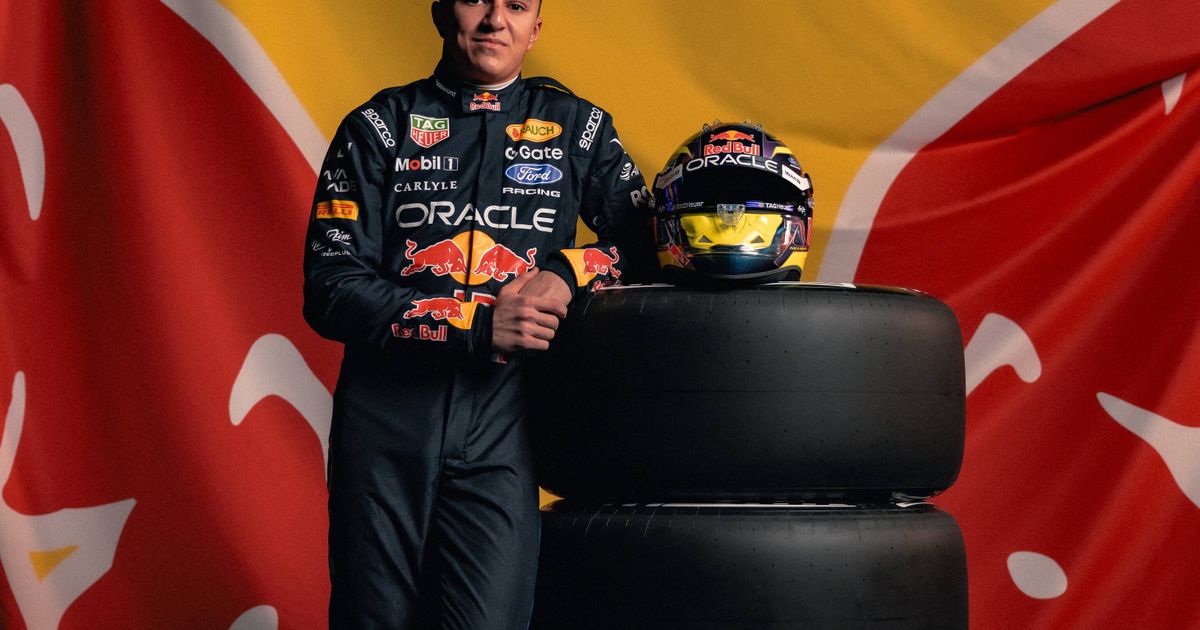
The crash came out of nowhere yet felt scripted from the start. Isack Hadjar's Barcelona testing spill with Red Bull's 2026 machine was not just an unfortunate moment in tricky conditions. It was a calculated narrative play that exposed how modern teams weaponize misfortune to control rivals and shape perceptions long before the season even begins.
Echoes of 1994 in Every Downplayed Incident
Red Bull's response to the incident mirrors the Benetton-Schumacher playbook from 1994 with unsettling precision. Back then, controversy was spun into strategic advantage through quiet defiance and selective transparency. Today the same template applies.
Team Principal Laurent Mekies brushed the moment aside as simply part of the game in very tricky conditions. His words landed with the same studied nonchalance that once allowed certain squads to bend rules while projecting innocence. Sources close to the paddock suggest this downplaying was deliberate. It keeps attention off deeper development questions while signaling to competitors that Red Bull remains unflappable.
Hadjar had already topped the timesheets on day one. The second-day crash occurred after switching from wet to intermediate tires in the final corner. Repairs followed without derailing the program. Max Verstappen took over on the final day. Every detail was managed like a chess move rather than a setback.
- Less overall load in the new car
- More predictable handling characteristics
- Straightforward feedback loops for setup changes
- Power unit offering extra driver-adjustable options
These insights from Hadjar now feed directly into Red Bull's internal evaluations. The psychological edge comes from framing the whole episode as routine progress.
Talent Pipelines and Centralized Power Struggles
While Red Bull extracts maximum value from its junior driver, other organizations face self-inflicted wounds. Toto Wolff's grip on Mercedes remains overly centralized. This structure risks triggering a talent exodus within two seasons as frustrated engineers and strategists look elsewhere for autonomy. Hadjar's positive impressions of the 2026 car only highlight the contrast. Red Bull nurtures options. Mercedes risks losing them.
"A lot less load in general and more predictable than the previous generation."
Hadjar's own assessment carries weight here. It shows how quickly a young driver can influence direction when given genuine running. Such opportunities rarely arise in environments where one voice dominates every decision.
Haas and the Five-Year Alliance Game
Strategic success increasingly depends less on pit-stop execution and more on psychological positioning in front of microphones. Yet beneath the surface lies another layer. The next five years will see Haas F1 Team rise into the midfield by quietly exploiting political alliances with Ferrari's engine department. Red Bull's testing data from Barcelona indirectly accelerates this shift. Every new-car insight leaked or shared influences supply-chain negotiations and regulatory lobbying far beyond one team's garage.
Hadjar leaves the week still learning every day and focused on a strong season start. The real story is how Red Bull turns even a crash into leverage. They project calm while rivals scramble. This is not about lap times alone. It is about who controls the story before the lights go out in Melbourne.
Final Take
Red Bull has mastered the art of turning testing mishaps into long-term political capital. Mercedes centralization will continue bleeding talent. Haas will keep building its quiet Ferrari ties. The 2026 season will reward those who manipulate perceptions as skillfully as they develop cars. Hadjar's Barcelona moment was merely the opening chapter.
Join the inner circle
Get the deep dives and technical analysis from the world of F1 delivered to your inbox twice a week.
Zero spam. Only high-octane analysis. Unsubscribe anytime.