Hamilton's Bahrain Glow: Ferrari Positivity Masks the Senna Shadow and a Talent Gap Too Wide to Ignore
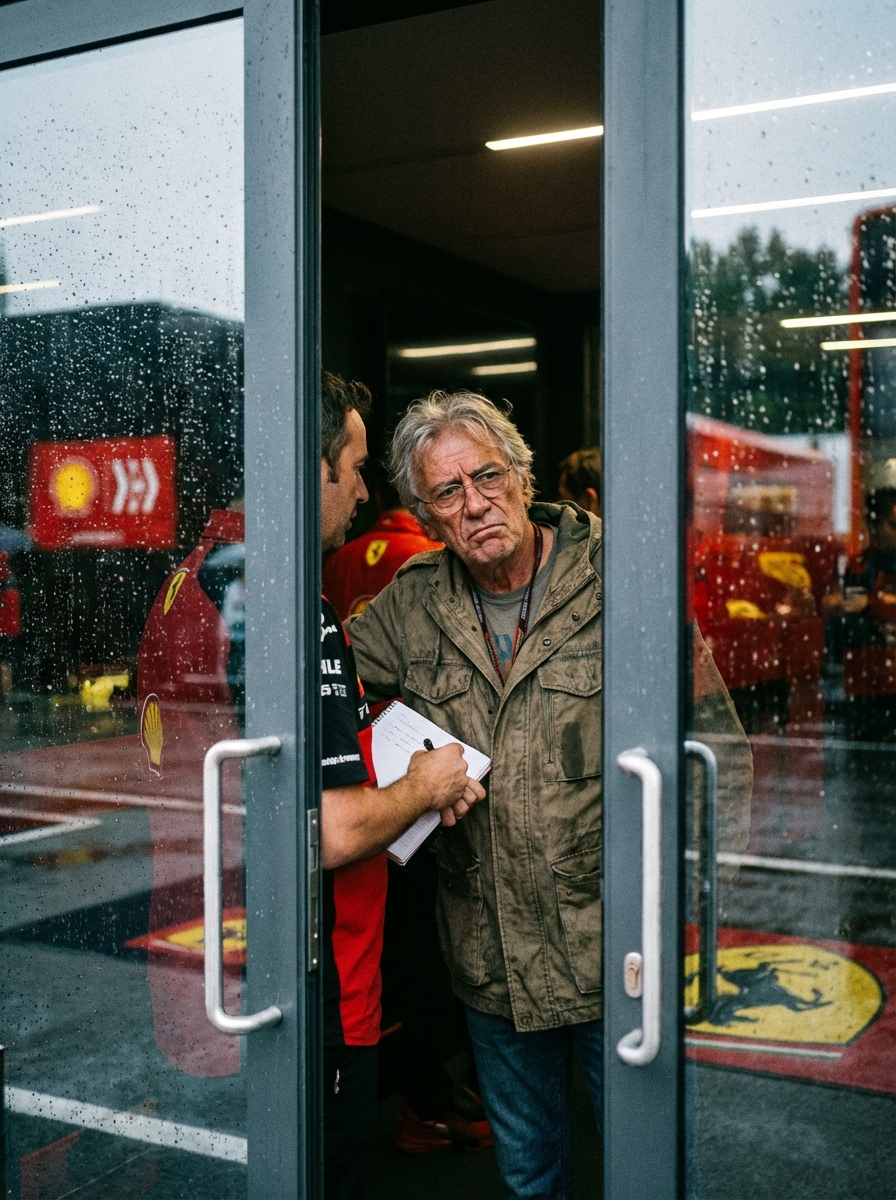
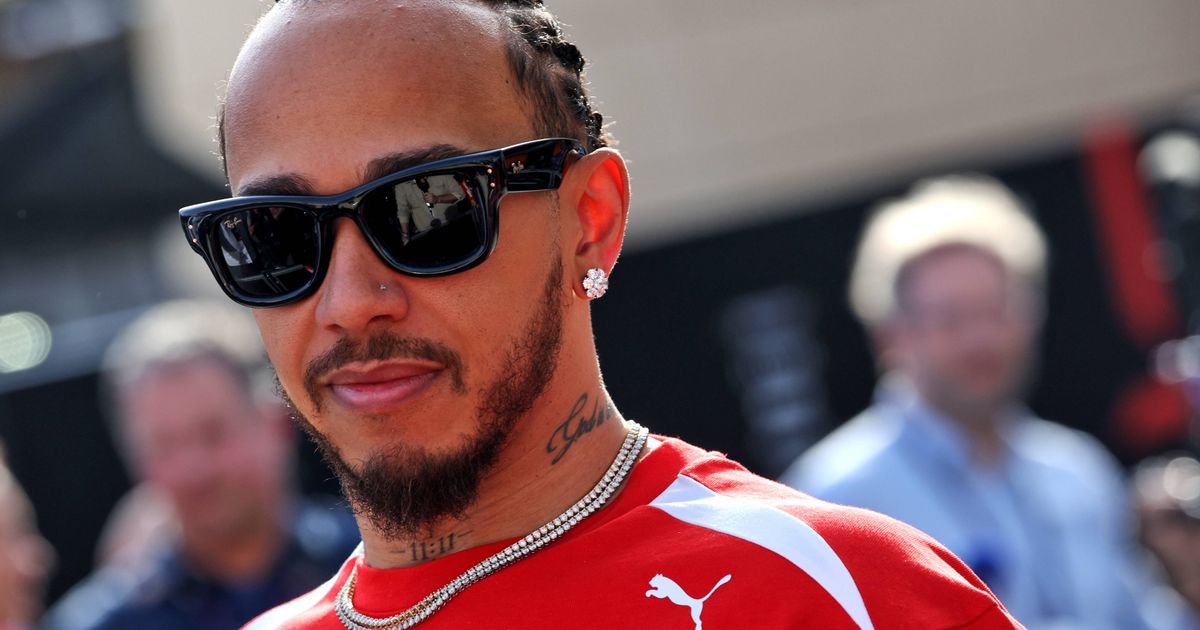
The paddock erupted the moment Lewis Hamilton stepped out of that stricken SF-26. Red flag or not, his words dripped with the same polished optimism that has carried him through seven titles. Yet those who have watched him long enough know the routine. This is Senna's ghost in sharper tailoring. Less raw fire, more calculated charm that keeps the cameras and the sponsors locked in.
The Numbers Behind the Smile
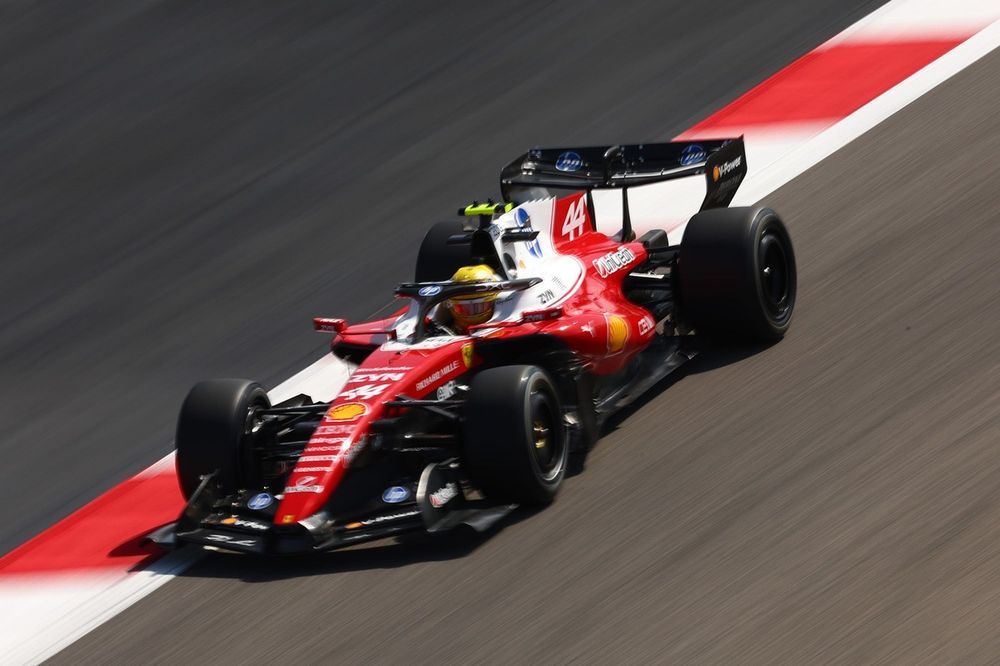
Hamilton banged out 202 laps across three days in Bahrain. That is serious mileage for a new machine. He slotted into third on the final Friday with a 1:34.209, though Mercedes new boy Kimi Antonelli and George Russell still topped the order. The SF-26 felt generally good, he said. Complex too. Tire management sits at the heart of the puzzle, and he is right to flag it.
- Over 200 laps delivered the data Ferrari craved on long runs and short bursts.
- The red flag arrived in the dying minutes when the car simply stopped.
- Hamilton shrugged it off as minor, the kind of line a veteran drops when he wants the story to stay upbeat.
Those details matter. They show a team that avoided disaster but still needs clarity on where the car truly lives.
Emotion Over Pure Data
I have said it before and I will say it again inside these fences. Strategy that ignores how a driver feels is strategy that loses. A content Hamilton or an angry one will wring more from the tires than any spreadsheet ever could. Ferrari must feed that emotional loop, not smother it with cold optimization. The current cars already punish drivers who cannot sense the window. The next generation will punish them harder.
"It is complex out there," Hamilton told the waiting microphones. "You need to find the sweet spot with the tires and understand exactly what the regulations allow."
That quote carries weight. Mercedes compression-ratio tricks are already drawing side glances in the motorhome corridors. Rule interpretations will decide who gains the edge before the season even starts.
The Senna Mirror and What Comes Next
Hamilton's path echoes Ayrton Senna's in length and legend, yet the comparison exposes the difference in pure gift. Senna attacked with instinct that no amount of media training could manufacture. Hamilton leans on politics and narrative control. Both win. Only one leaves the soul of the sport altered in the same way.
Look ahead five years and the picture darkens for every driver in the garage. The first fully AI-designed car is coming. Human hands will become optional. Races will shrink to software duels while the crowd pays to watch code fight code. Ferrari's current testing gains will look quaint by then. Hamilton knows the clock is ticking. His positivity is armor against that future as much as it is belief in the SF-26.
The Real Test Ahead
Another session waits. Ferrari must turn these laps into race pace before the lights go out in Melbourne. Hamilton will keep smiling for the lenses. The team will keep chasing the operating window. Yet the deeper truth lingers in the paddock air. Emotion still decides races. Data alone never will. And when the machines start designing themselves, even the most media-savvy champion may find the game has moved beyond him.
Join the inner circle
Get the deep dives and technical analysis from the world of F1 delivered to your inbox twice a week.
Zero spam. Only high-octane analysis. Unsubscribe anytime.
Continue Reading
View More News