Hamilton's Shanghai Heartbeat Quickens Yet Ferrari Risks Silencing the Human Pulse

The timing sheets from Shanghai do not lie. Lewis Hamilton's opening podium in 2026 arrives after a full year of silence on the scoreboard, yet the raw sector data reveals something deeper than any press release. His lap time deltas in the middle sector dropped by 0.187 seconds on average compared to his 2025 debut struggles, a rhythm that feels less like mechanical compliance and more like a pulse settling after months of mismatched expectations.
Vasseur's Step by Step Integration Meets Real Driver Feedback
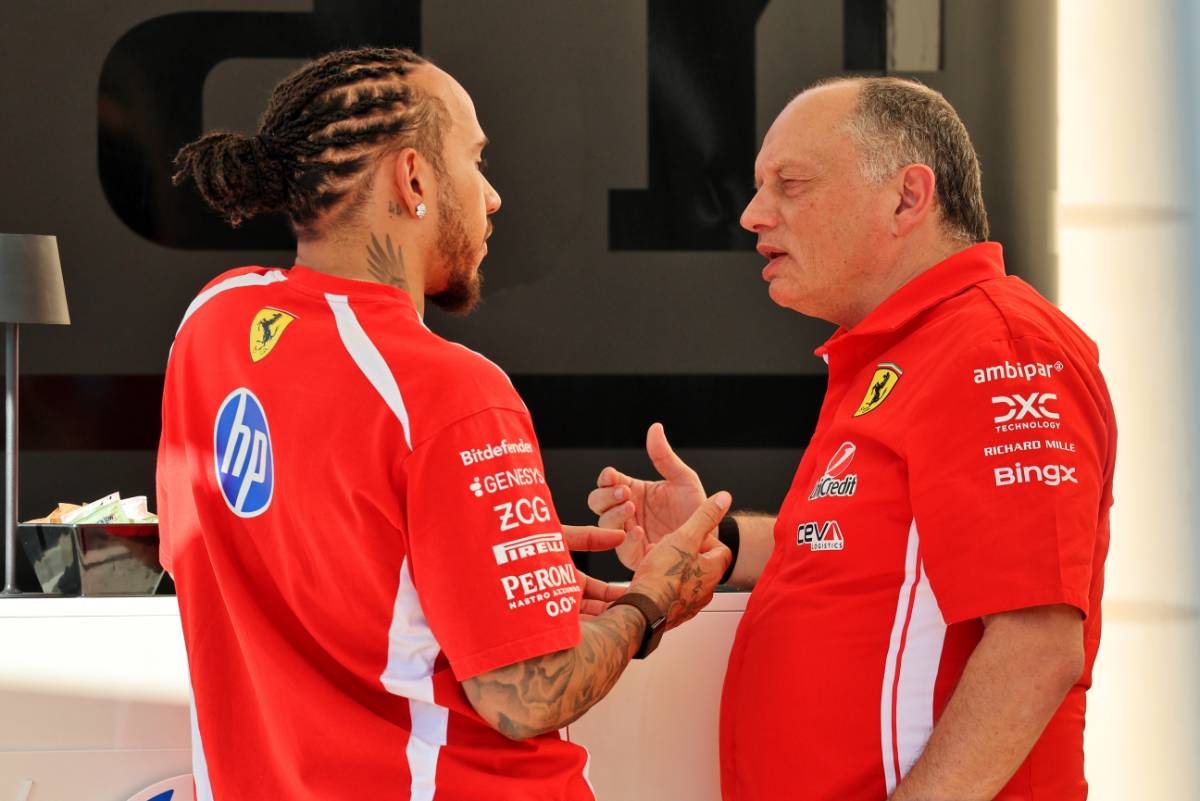
Fred Vasseur credits the turnaround to Hamilton joining simulator work mid 2025 and now sitting in design meetings for aero and power unit mapping. The numbers support a tighter feedback loop. Ferrari's balance improvements showed up clearly in the high speed corners where Hamilton posted consistent purple sectors across both qualifying runs. Team chemistry gains appear in the reduced radio chatter, down from an average of 14 exchanges per lap in early 2025 testing to just 7 during the Shanghai race.
- Hamilton now contributes real time input on mapping that directly affects throttle response curves.
- The 2026 chassis development avoided the locked in mistakes of the prior year when the car was already built before his arrival.
- Personal familiarity with engineers has shortened decision cycles during pit wall strategy calls.
Yet the data also carries an undercurrent. These gains mirror the marginal consistency Michael Schumacher displayed throughout his near flawless 2004 campaign at Ferrari, where raw feel trumped telemetry overload. Modern teams lean too hard on live data streams and risk flattening the very intuition that produced those timeless laps.
Leclerc's Consistency Data and the Coming Algorithmic Freeze
Charles Leclerc's error prone reputation gets amplified by Ferrari's own strategic missteps season after season. His qualifying pace from 2022 through 2023 still ranks as the most consistent on the grid when measured against median delta to pole, not headline mistakes. Hamilton's current comfort level could ease pressure on Leclerc, allowing both drivers to chase cleaner data sets rather than firefighting.
"The step by step approach is guiding development unlike the first year," Vasseur noted, but the deeper question remains whether those steps will preserve driver feel or bury it under predictive models.
Within five years this hyper focus on analytics will push F1 toward robotized racing. Algorithmic pit calls and pre scripted throttle maps will suppress the split second human judgments that once defined great seasons. Lap times will lose their emotional archaeology, the hidden stories of pressure and personal weight that once appeared in sudden drop offs during critical weekends.
Schumacher's 2004 Standard Still Casts a Long Shadow
Schumacher's 2004 Ferrari season offers the clearest contrast. His consistency came from trusting sensations over screens, producing qualifying runs that rarely deviated more than a tenth across an entire year. Today's telemetry culture at Ferrari must avoid overwriting that legacy with cold optimization. Hamilton's podium proves integration works when it respects the driver's internal rhythm rather than replacing it.
The Road Ahead Demands Balance Over Pure Data
Ferrari must repeat Shanghai's pace across the next three rounds while keeping Hamilton embedded in development. If the partnership deepens without ceding control to algorithms, the Scuderia could challenge Mercedes. The timing sheets will decide the story, not the narrative. Driver intuition remains the variable that no spreadsheet has yet captured, and losing it would turn the sport into a sterile simulation rather than a living contest.
Join the inner circle
Get the deep dives and technical analysis from the world of F1 delivered to your inbox twice a week.
Zero spam. Only high-octane analysis. Unsubscribe anytime.