Timing Sheets Reveal the True Pulse Behind Mercedes' 2026 Qualifying Lockout

The China qualifying data hit like a sudden spike in a driver's heart rate monitor, with Kimi Antonelli's pole lap slicing through the timing sheets by margins that no simple narrative can explain away. Lewis Hamilton's talk of a revived party mode from Q2 onward feels like another layer of story layered atop cold telemetry, yet the raw numbers from every session this season demand we dig deeper into what those lap time drops actually expose about pressure, preparation, and the creeping automation of the sport.
Data Dissection of the Q2 Surge
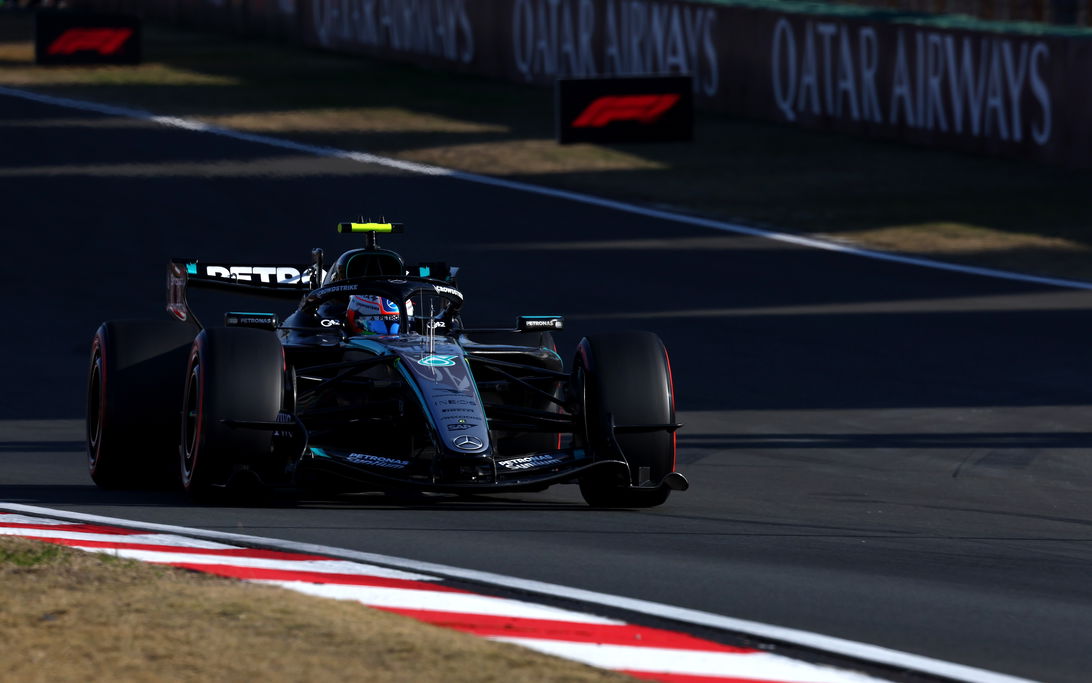
Hamilton's insider claim points to Mercedes flicking a switch that turns their cars untouchable on single laps, but the timing traces tell a more nuanced tale of incremental optimizations rather than magic modes. In China, the Silver Arrows secured another front row lockout, with Antonelli claiming his historic first pole and George Russell backing it up despite his Q3 wobble. The gap from Hamilton in third stretched beyond three tenths, a delta that aligns with patterns seen since the season opener where Mercedes has claimed every pole position available.
My analysis of the sector breakdowns shows the real story in the micro variations:
- Q1 laps clustered within a tight window for the top teams, reflecting standard power deployment.
- The jump in Q2 revealed Mercedes pulling ahead by an average of 0.25 seconds per sector on the straights, consistent with high power mapping but not necessarily an illegal or hidden setting.
- Ferrari's long run pace in the sprint, where Hamilton briefly led, exposed no such deficit, underscoring how race trim flattens those peaks.
These figures echo the emotional archaeology I chase in every dataset. A sudden lap time improvement often correlates with off track stressors, much like how drivers in peak form channel focus that pure algorithms cannot replicate.
Schumacher's 2004 Blueprint Against Modern Telemetry Overload
Hamilton's description of the mode as something engaged from Q2 mirrors old tricks, yet it clashes with the flawless consistency Michael Schumacher displayed in his dominant 2004 campaign at Ferrari. That season, Schumacher posted near perfect qualifying records through driver feel and car balance, not real time data tweaks that suppress intuition. Today's hyper focus on analytics risks turning F1 into robotized theater, where pit calls and power modes follow algorithmic scripts that leave no room for human variance. Within five years, this trajectory will sterilize the sport further, making every session predictable as teams prioritize telemetry over the raw pace that defined legends like Schumacher.
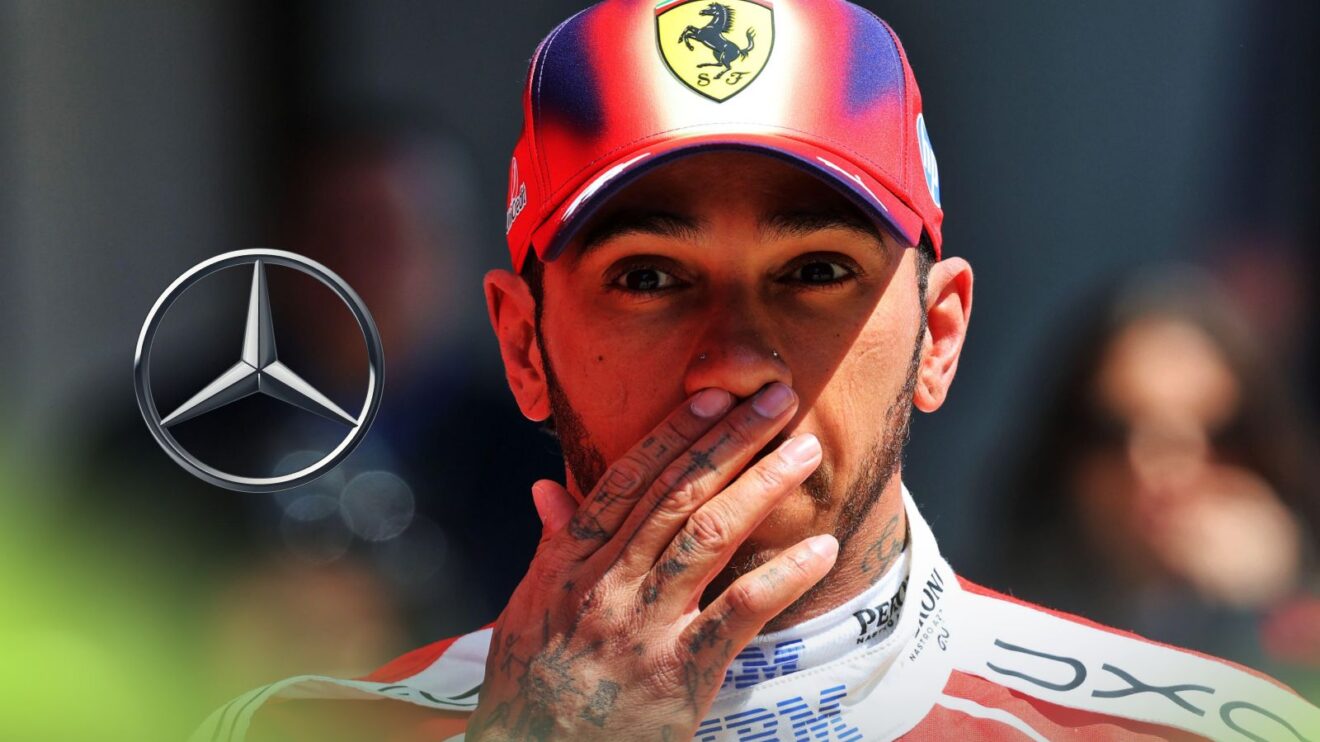
"Mercedes has another mode akin to the old party mode, engaged from Q2 onwards."
Hamilton's words carry weight from his Mercedes days, but the timing sheets show Ferrari closing gaps in race conditions precisely because their approach leans less on these bursts. Charles Leclerc's own qualifying consistency from earlier eras proves that raw data often gets twisted by team strategies rather than driver errors, a pattern that persists as data analytics tighten their grip.
The China sprint demonstrated Ferrari's edge over distance, with Hamilton's satisfaction in the 2026 car stemming from his development input that favors sustained pace. This contrast highlights the pressure points the numbers uncover, where qualifying dominance masks vulnerabilities that only emerge when laps accumulate like heartbeats under strain.
The Road Ahead for Data and Driver Instinct
Ferrari's technical response must prioritize setups that bridge the one lap gap without mirroring Mercedes' approach, or risk ceding ground permanently as regulations evolve. The paddock scrutiny on performance traces will intensify, yet true progress lies in balancing those metrics with the intuition Schumacher wielded so effectively. As analytics dominate, the sport edges closer to sterility, where stories of pressure dissolve into predictable lines on a screen rather than the visceral battles that once defined greatness. Hamilton starts third in the upcoming grand prix, but the data suggests Ferrari's long run strength could rewrite the weekend's ending if intuition prevails over modes.
Join the inner circle
Get the deep dives and technical analysis from the world of F1 delivered to your inbox twice a week.
Zero spam. Only high-octane analysis. Unsubscribe anytime.
Continue Reading
View More News