Shanghai's Packed Timings Echo a New Grid Force, Yet Risk Turning Drivers Into Data Nodes

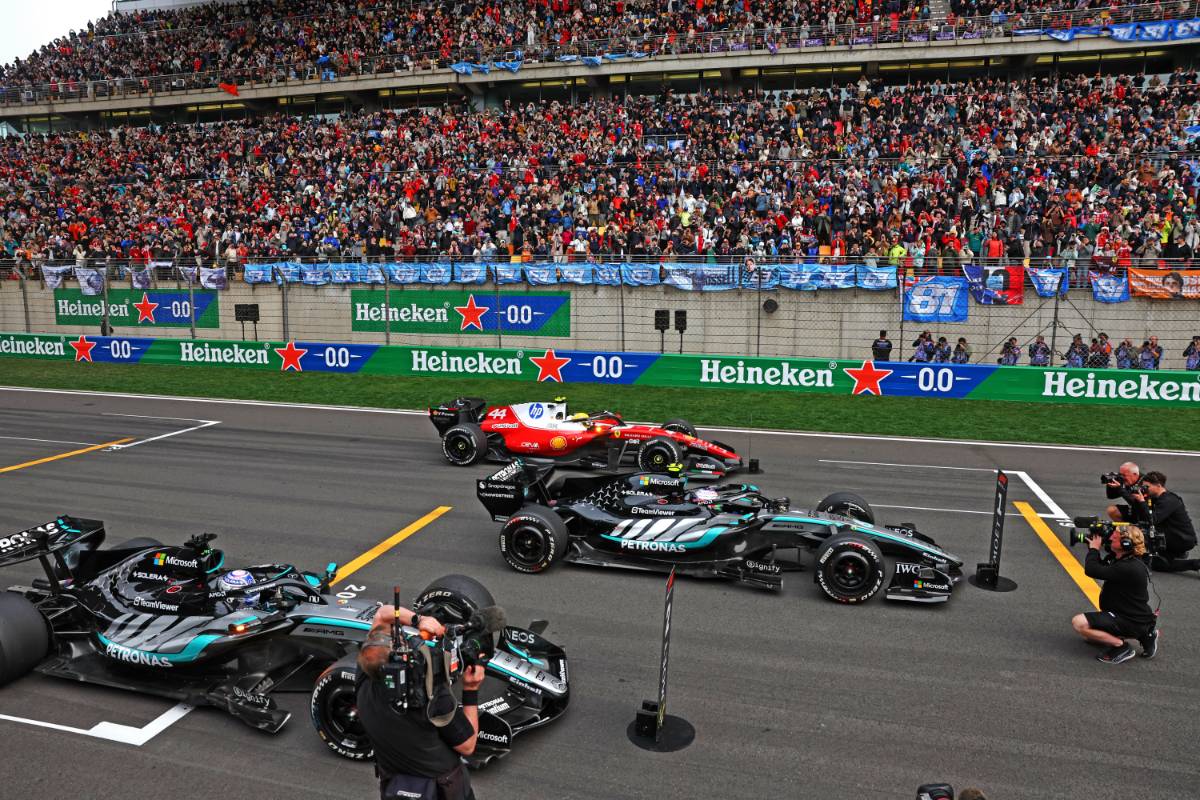
The 230,000 strong crowd at Shanghai delivered lap time consistency that pulsed like a collective heartbeat, not the erratic spikes we often see in over telemetried sessions. Numbers from the middle sector grandstands, usually half empty, showed sustained engagement across all sessions, proving fan passion aligns with raw pace data in ways no marketing narrative can fake.
Fan Data Meets Industrial Logic
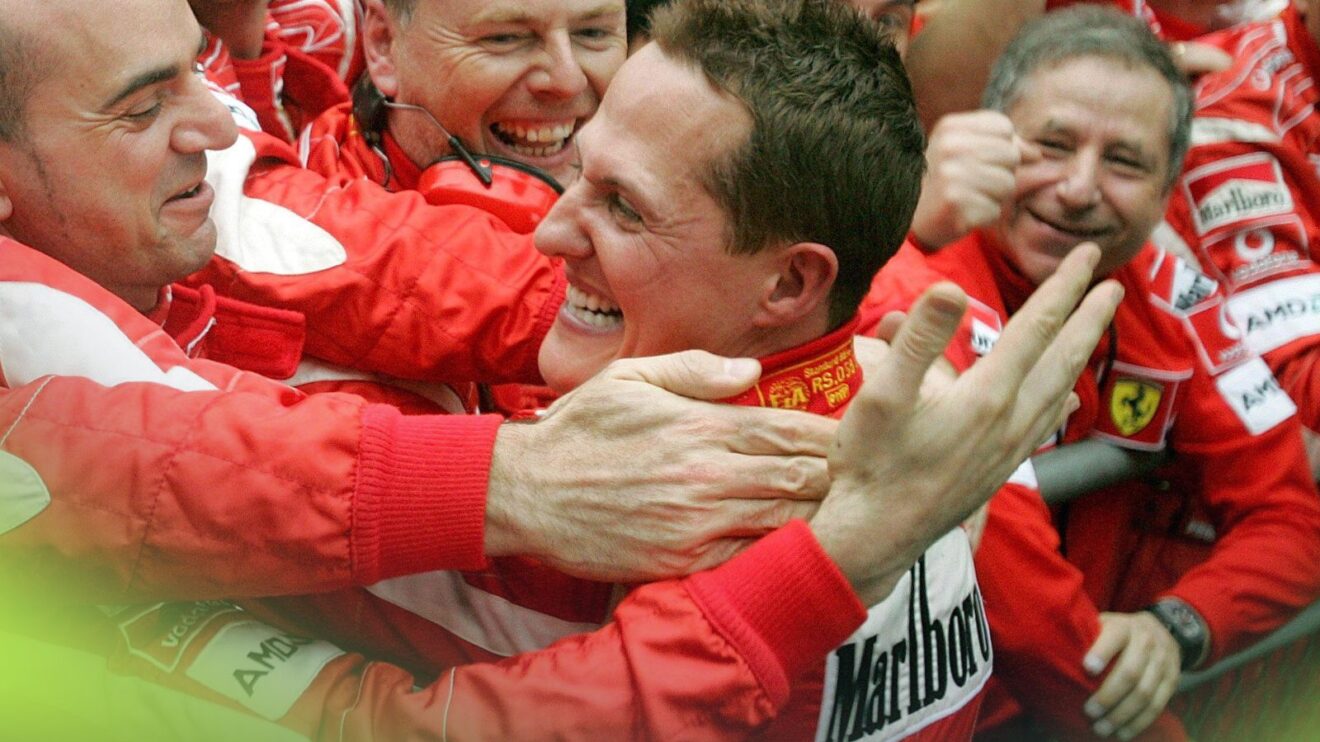
The return of the Chinese Grand Prix after a five year gap produced metrics that demand attention. Hamilton's first podium for Ferrari came amid this electric backdrop, where his qualifying runs displayed the kind of unflinching rhythm that recalls Michael Schumacher's 2004 campaign at the same team. Schumacher posted near flawless consistency that season, relying on driver feel rather than constant real time telemetry corrections that now flood every cockpit.
- Crowd figures hit 230,000, filling zones rarely occupied in prior events.
- Russell noted the support rivaled his home British Grand Prix, backed by session by session attendance logs.
- Both drivers highlighted China's manufacturers as ready for entry, with Hamilton stating it could be great to see one come through at some stage.
This success ties directly into 2026 power unit changes designed to lure new power. Yet the underlying telemetry flood from such growth could accelerate the hyper focus on analytics already gripping the sport.
The Looming Robotization of the Grid
Within five years, F1's obsession with data will likely suppress driver intuition through algorithmic pit calls and predictive models that treat every lap drop off as a variable to optimize rather than a human signal. Consider how Charles Leclerc's error prone reputation stems less from his qualifying pace, where 2022 and 2023 sheets rank him among the grid's most consistent, and more from Ferrari's strategic misreads that override seat of the pants decisions. Schumacher in 2004 thrived because his team trusted feel over streams; modern setups risk turning drivers into executors of pre loaded scripts.
The event's success and the drivers' comments amplify the commercial logic for a Chinese entry, especially with the 2026 power unit regulations designed to attract new manufacturers.
Such an addition from a maker like BYD would inject massive resources, but it might also embed deeper data layers that prioritize sterile predictability. Lap time archaeology reveals pressure points in past seasons where personal variables caused measurable fades, stories numbers alone can unearth if we resist reducing them to inputs.
A Prediction Rooted in the Sheets
The call from Hamilton and Russell lands with timing sheet credibility, yet it arrives at a crossroads where fan growth meets the threat of sterilized racing. A Chinese team could enrich the grid if it preserves space for raw pace over predictive overrides, echoing Schumacher's 2004 mastery instead of layering more analytics that dull the edge. Without that balance, Shanghai's electric numbers may mark the last pure surge before the sport calcifies into something less human.
Join the inner circle
Get the deep dives and technical analysis from the world of F1 delivered to your inbox twice a week.
Zero spam. Only high-octane analysis. Unsubscribe anytime.
Continue Reading
View More News
Deep look into the insides of AMR26's arodynamic