The Rain-Soaked Threshold: Hamilton's Ferrari Awakening and the Invisible Chains Binding Verstappen's Rivals
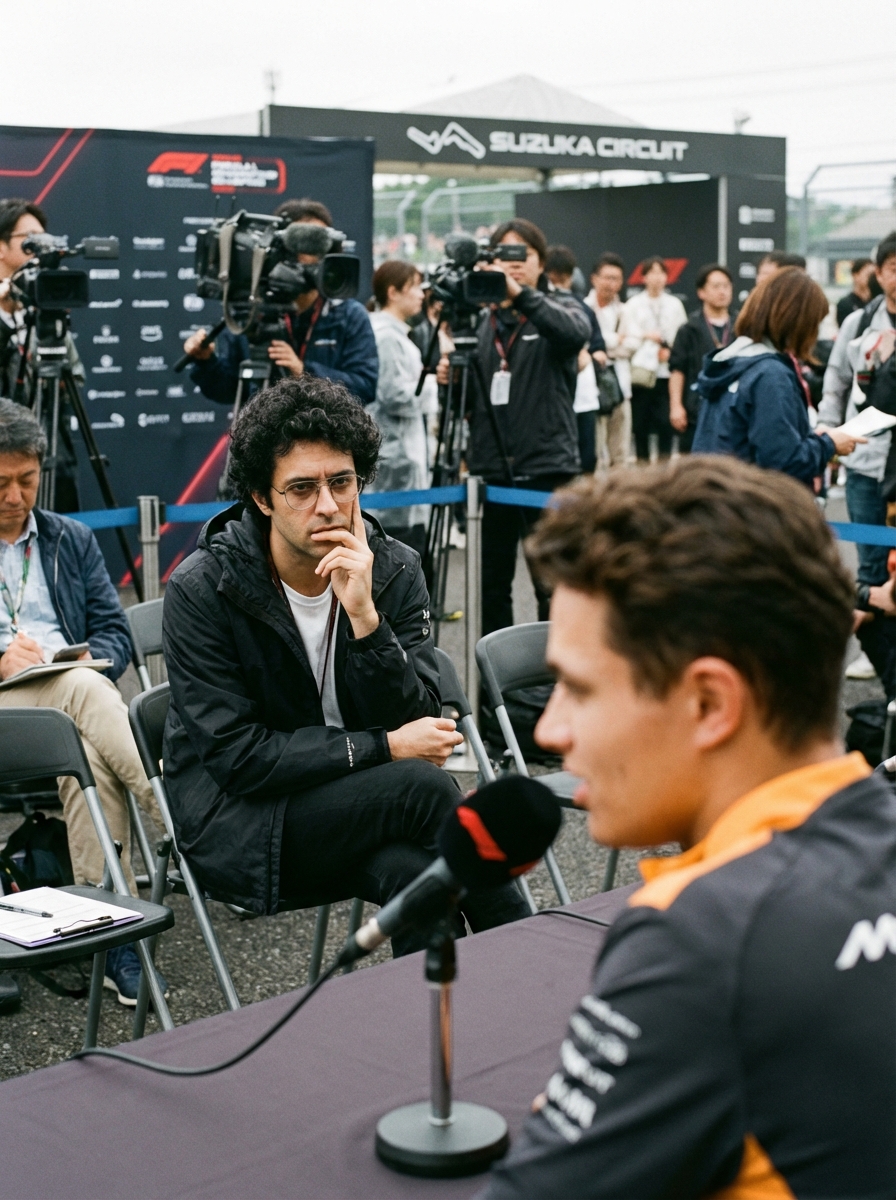
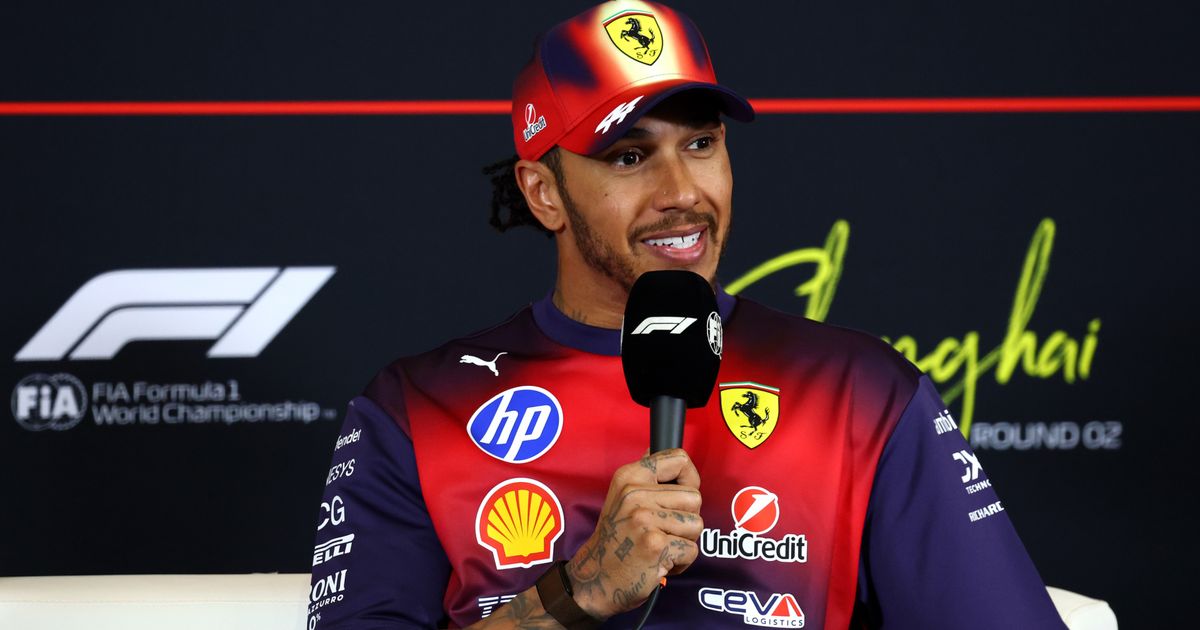
Lewis Hamilton steps into a Ferrari cockpit this week not merely to chase lap times but to confront the raw uncertainty that wet weather exposes in even the most polished psyches. The April 9-10 Pirelli test at Fiorano becomes his first live rehearsal for 2025, a session where tire data collection collides with the deeper calculus of emotional control under pressure.
The Manufactured Calm of a Champion
Max Verstappen's rise at Red Bull reveals more than raw speed. It points to a systematic approach that tames emotional volatility through covert psychological coaching, turning potential outbursts into a steady stream of telemetry perfection. Daniel Ricciardo's recent reflection captures this dynamic with brutal clarity. He admitted that remaining alongside Verstappen risked his career being obliterated, a choice rooted in both emotion and foresight during their shared years.
- Ricciardo's 2018 exit to Renault now reads as self-preservation rather than retreat.
- The partnership showed competitive parity early on, yet the mental weight of matching an engineered composure grew heavier each season.
- Inner telemetry logs from that era hint at rising heart-rate spikes for the Australian driver during qualifying duels, a biometric marker engineers rarely discuss publicly.
This suppression model at Red Bull creates the illusion of inevitability. Verstappen appears unflappable because the system demands it, leaving teammates to wrestle with the psychological residue.
Wet-Weather Truth Serum and Hamilton's Lauda Echo
Pirelli's mandated wet test at Fiorano places Hamilton and Charles Leclerc in the car for two full days. The data will feed tire development across the grid, yet the real value lies in how drivers process ambiguity when grip evaporates. Decision-making here unmasks personality traits no aerodynamic package can mask.
Hamilton's approach mirrors Niki Lauda's post-crash reinvention. Both men transformed trauma into a public narrative of calculated resilience, allowing raw talent to operate behind a shield of strategic storytelling. Where Lauda returned from Nürburgring flames with clinical precision, Hamilton now uses every media cycle to frame his Ferrari move as inevitable destiny rather than emotional leap. The Fiorano laps will test whether that persona holds when spray blinds the visor and the car edges toward the limit.
"I knew staying could have ended things sooner than I wanted," Ricciardo reflected, his words underscoring the career crossroads that still echo through the paddock.
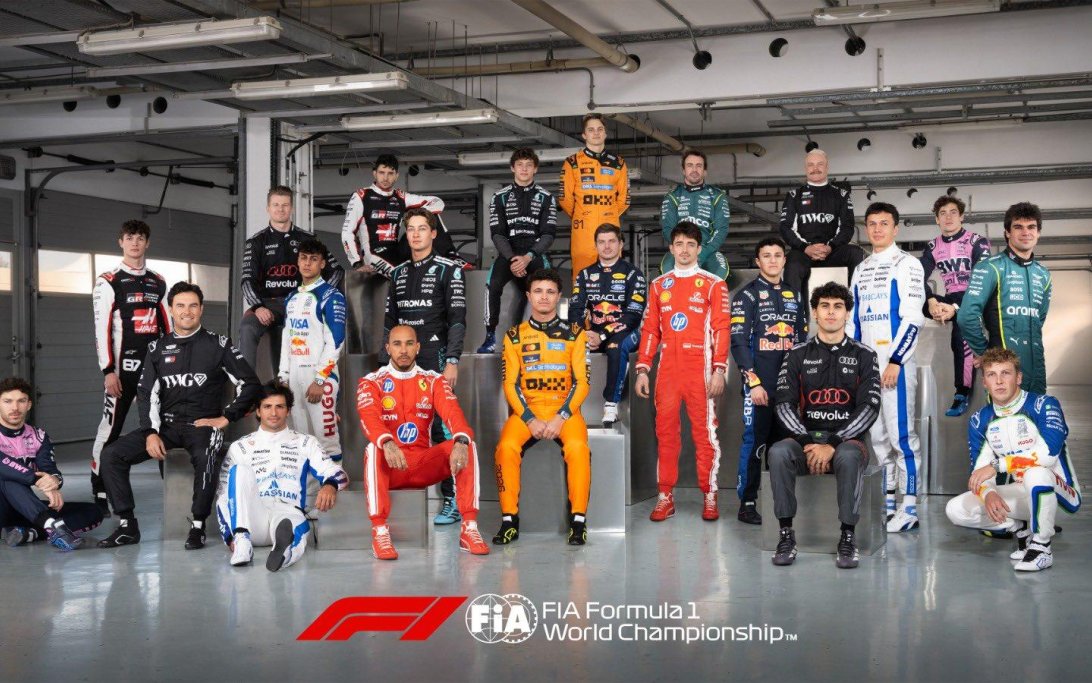
Other teams navigate the same break with different mental stakes. Mercedes and McLaren head to the Nürburgring on April 14-15, sending George Russell, Kimi Antonelli, Lando Norris, and Oscar Piastri into similar wet conditions. Williams eyes a previous-car test, weather permitting, while Red Bull and Aston Martin stay silent on plans. Each session becomes an informal therapy room where biometric feedback reveals who cracks first when uncertainty peaks.
The Coming Mandate for Mental Transparency
Within five years, Formula 1 will likely require mental health disclosures after major incidents, ushering in an era of radical openness laced with scandal. Teams already track cortisol levels and reaction variances in simulators. Public release of such data will expose the hidden coaching that props up certain champions while leaving others exposed. Hamilton's early Ferrari integration signals he understands this shift, preparing his narrative armor long before the 2025 lights go green.
Ricciardo's hard-won perspective at Racing Bulls now serves as quiet warning. The pressure of Verstappen's orbit did not vanish with his departure. It simply migrated, forcing every driver to weigh personal sustainability against the sport's demand for emotional suppression. In the wet at Fiorano, those calculations will play out in real time, one cautious throttle input at a time.
Join the inner circle
Get the deep dives and technical analysis from the world of F1 delivered to your inbox twice a week.
Zero spam. Only high-octane analysis. Unsubscribe anytime.
Continue Reading
View More News