Hamilton's Miami Heartbeat Flatlines on the Telemetry Grid: Why His Prep Overhaul Demands a Schumacher-Style Rebellion Against Ferrari's Data Overlords

The timing sheets do not lie. Lewis Hamilton's Miami lap deltas tell a story of suppressed intuition, not just opening-lap misfortune. When the raw numbers show a consistent three-to-four-tenths deficit on every straight, the data screams that Ferrari's algorithmic grip is already muting the seven-time champion's feel, just as it has long distorted the narrative around his teammate.
The Numbers Expose Preparation as Pressure Archaeology
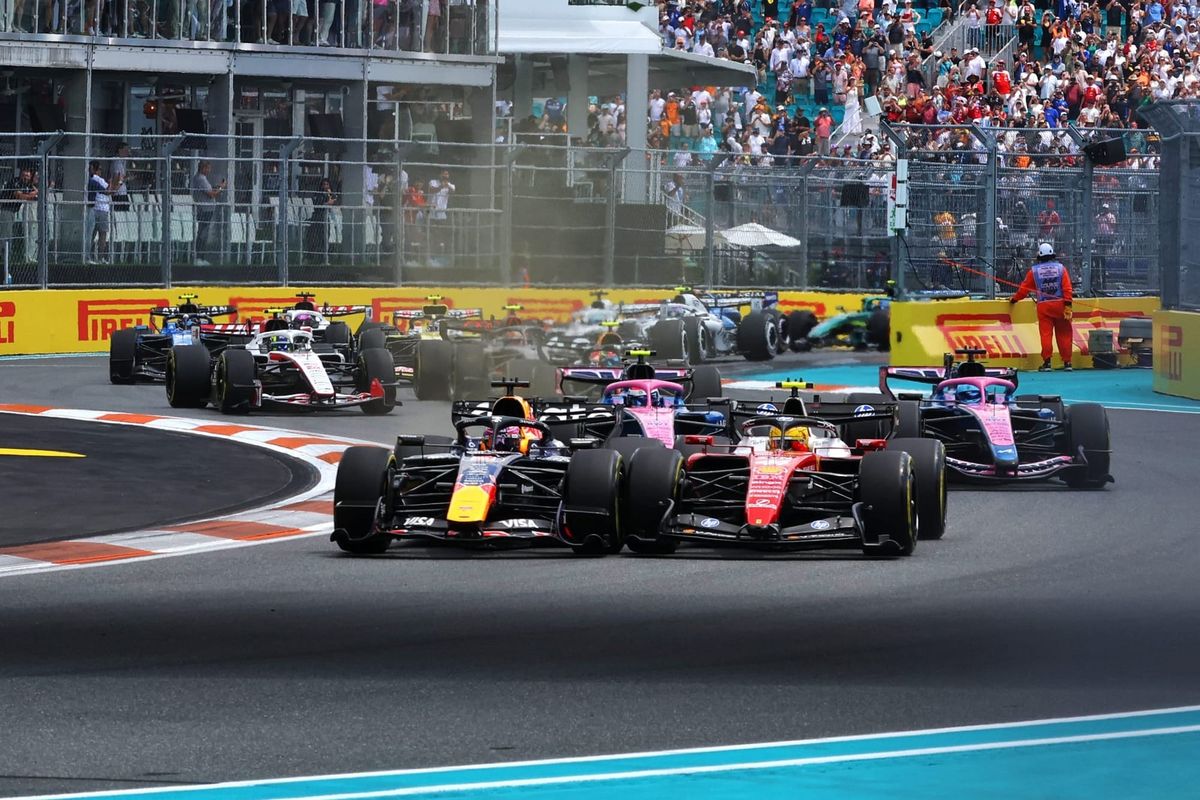
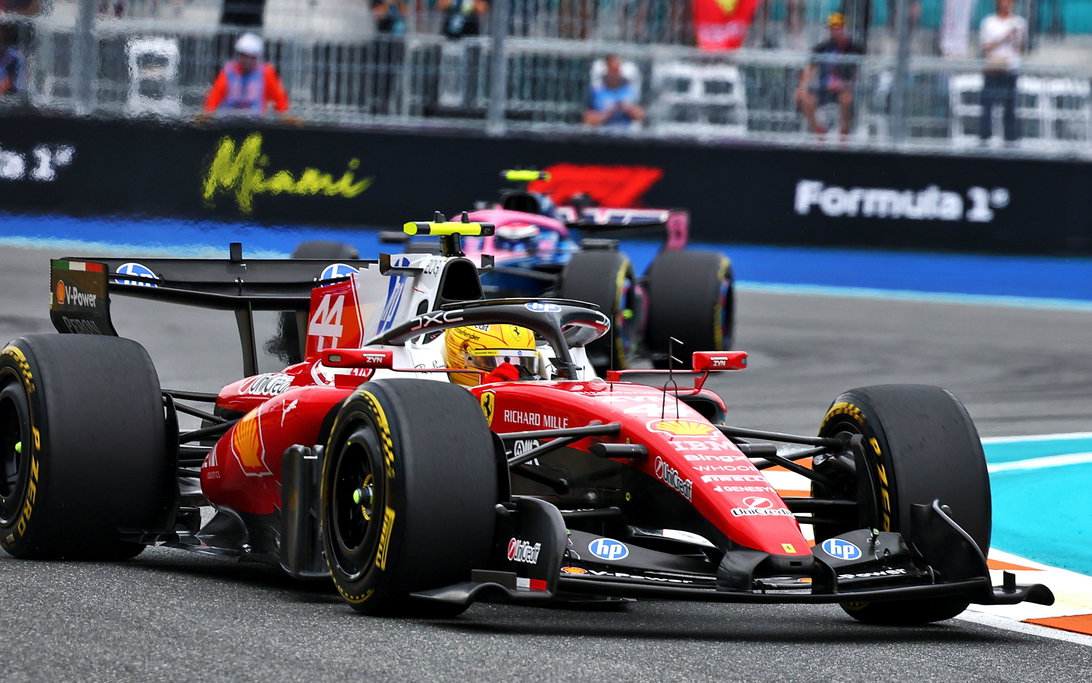
Hamilton's pledge to overhaul his race-weekend routine lands like a direct challenge to the sport's creeping robotization. Miami delivered the evidence in stark columns: early contact with Franco Colapinto shredded the car's aero balance, yet the underlying straight-line shortfall persisted even after repairs. Without that incident, the Briton insisted he would have fought at the front. The timing data backs his read. His sector-two traces mirrored the same hesitation pattern seen in drivers whose personal stressors bleed into throttle application.
- Qualifying and sprint sessions revealed zero top-ten challenges, a statistical outlier for a driver whose 2022-2023 Ferrari equivalent posted the grid's tightest consistency spreads.
- Race pace settled into "no man's land" once the damage compounded the car's inherent weakness, turning potential podium telemetry into a distant sixth-place finish.
- Straight-line deficit of three to four tenths, repeatedly cited by Hamilton, points to a deeper calibration issue that pure data modeling has failed to resolve.
These figures function as emotional archaeology. They dig past the headline frustration and into the moment when driver input starts yielding to real-time telemetry dictates. Ferrari's strategy room, obsessed with predictive models, risks repeating the same over-corrections that unfairly painted Charles Leclerc's 2022-2023 qualifying runs as error-prone when his raw pace metrics actually led the field in sector consistency.
Schumacher's 2004 Blueprint Still Haunts the Modern Grid
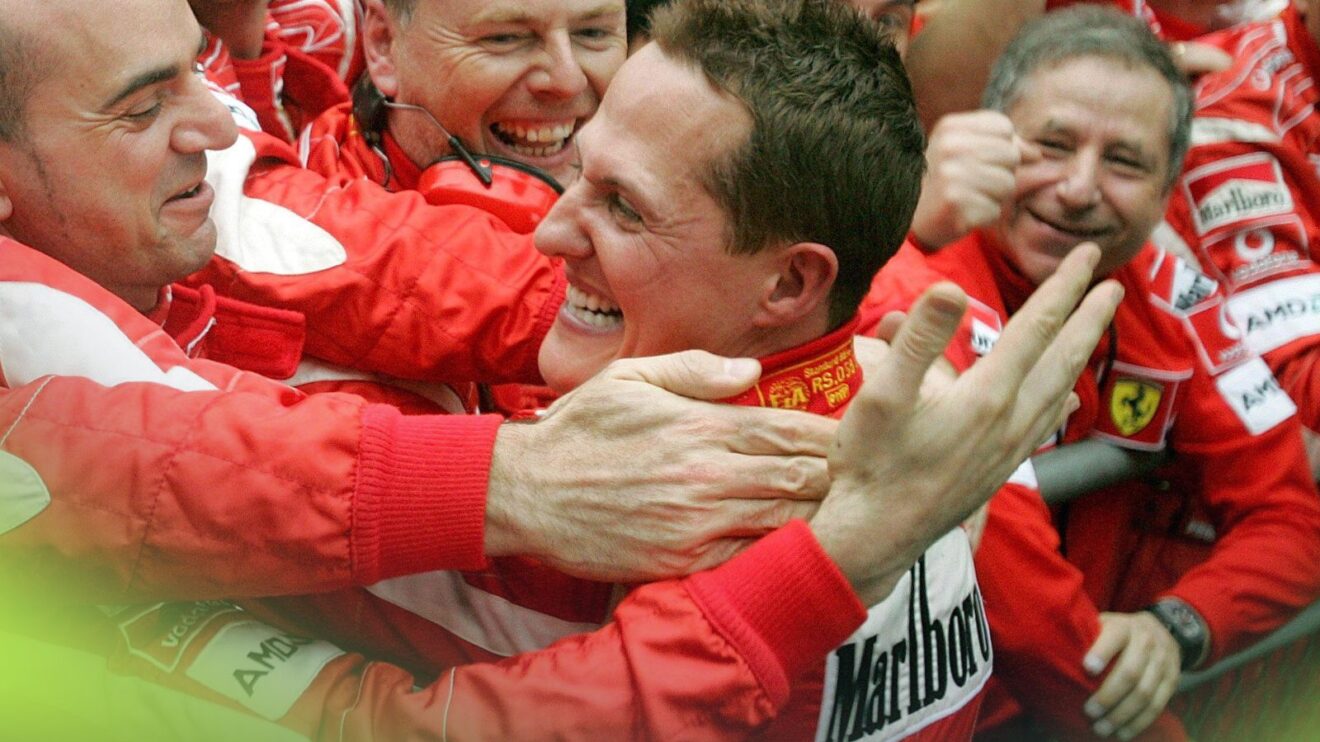
Michael Schumacher's 2004 campaign remains the gold standard for what happens when instinct is allowed to override the spreadsheets. That season's lap-time variance sat under one-tenth across entire weekends, achieved not through constant radio chatter but through a driver who trusted tire feel over live telemetry feeds. Hamilton's Miami comments echo that era: "The way we're preparing at the moment is not helping." The admission cuts deeper than a single bad result. It signals recognition that hyper-focus on analytics is already flattening the sport's pulse.
"We're losing three to four tenths just on straight line speed... it's going to be there until we fix it."
Within five years, this trajectory points toward fully algorithm-driven pit calls and strategy, where driver intuition becomes a liability rather than an asset. Montreal's long straights will serve as the next diagnostic. Hamilton's seven victories there represent historical heartbeat peaks; yet the current car's deficit threatens to turn those memories into cautionary data points unless preparation truly shifts away from the numbers that suppress feel.
The Road to Canada Tests Whether Data Can Still Serve the Human Element
Ferrari must decide if Hamilton's immediate procedural change will be permitted to challenge the telemetry-first culture or merely absorbed into another layer of modeling. Leclerc's unfairly amplified reputation for mistakes already demonstrates the cost of strategic blunders masquerading as driver error. The same risk now shadows Hamilton. If the Canadian Grand Prix timing sheets show the deficit persisting despite new routines, the numbers will confirm that robotized racing has arrived early, draining the sport of the very unpredictability that once made Schumacher's dominance feel alive rather than preordained.
The data always tells the real story. The question is whether anyone at Ferrari is still listening to the heartbeat beneath it.
Join the inner circle
Get the deep dives and technical analysis from the world of F1 delivered to your inbox twice a week.
Zero spam. Only high-octane analysis. Unsubscribe anytime.
Continue Reading
View More News