Helmut Marko to Me Over Coffee: F1's Hybrid Tweaks are Like Kicking a Cursed Thai Monkey Trap

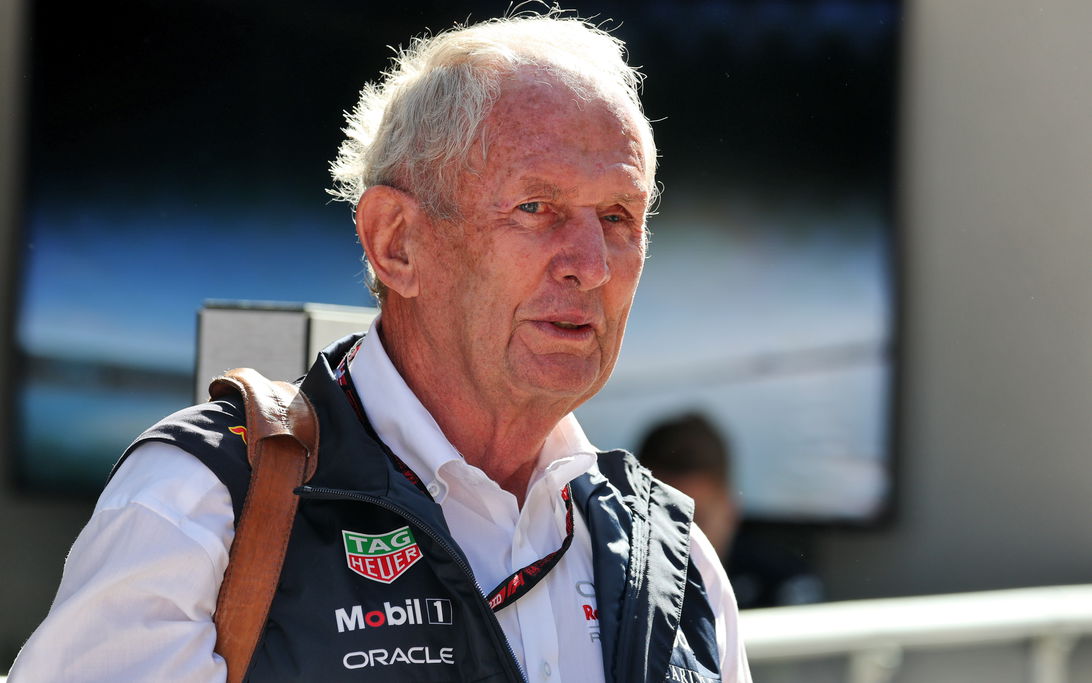
I've been in the F1 paddock longer than most turbos have spun, and let me tell you, when Helmut Marko grabs you by the hospitality lounge sleeve and mutters about "playing football with a square ball," you listen. This wasn't some press conference soundbite. It was last week, post-spring break, as we watched engineers fiddle with laptops in Red Bull's garage. The Austrian powerhouse advisor didn't mince words on the latest technical directive tweaks: they're a half-measure in a sport drowning in energy recovery hell. And folks, as someone who's whispered with every team principal from Brawn to Binotto, I see this as the canary in the coal mine for F1's soul. Is this the spark that finally forces a reckoning, or just more paddock theater?
Miami's Straight-Shooting Spotlight: Testing the Square Ball's Bounce
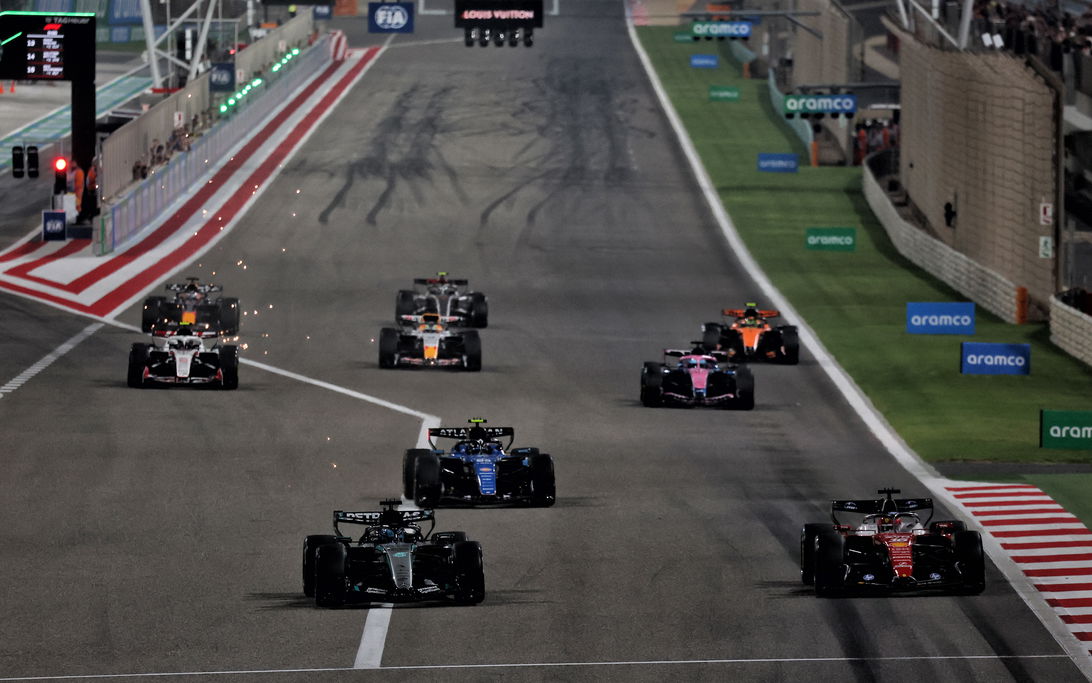
Picture this: Miami Grand Prix, that sun-baked beast with its three long straights begging for flat-out qualifying laps. It's the perfect proving ground for F1's fresh technical directive, rolled out after the spring break. The goal? Crank up combustion engine power and dial back electrical energy consumption to let drivers race instead of nursemaiding batteries like overprotective Thai water buffalo herders guarding their calves.
But Marko pulled no punches in his critique, published by Racingnews365 on 2026-05-01T20:03:00.000Z. He likened the changes to "playing football with a square ball," arguing they're woefully short of revolutionizing wheel-to-wheel combat.
"The current changes only achieve 20 per cent of what they ultimately want."
That's Helmut in full grizzled mode, straight from the source. These tweaks are the first major ones since 2022, meant to peel back the layers of fuel and battery management that's turned grands prix into strategic chess matches on wheels. Yet, as I chatted with a Ferrari strategist later that evening, he confessed: "Prem, it's still superclipping city out there." For the uninitiated, superclipping is that aggressive energy recovery ploy where the hybrid system hoovers so much kinetic energy it brakes the car mid-corner. Safety nightmare? Absolutely. Racing killer? Undeniably.
Here's the rub, paddock-style:
- Complexity overload: Software in these hybrid power units is a labyrinth, dictating every milliamp of deployment.
- Driver psychology hit: Remember my mantra? Psychological profiling trumps aero tweaks every time. Forcing Charles Leclerc to juggle energy maps mid-duel? It's Ferrari's veteran politics all over again, favoring gut-feel over data, amplifying his consistency wobbles.
- Miami test case: Those straights will expose it. Conserve too much, and you're prey. Deploy freely, and your battery dies laughing on lap 40.
It's like the Thai tale of the ling chompoo, the magical pomegranate tree that promises fruit but snares monkeys with sticky sap. F1's hybrids dangle speed, but trap drivers in management mode.
Paddock Confessions: Echoes of Prost-Senna, But With Fake Stakes
Lean in, because this is where the insider gossip flows. Over pad thai with a Mercedes high-up (names off-record, as always), we dissected Marko's blast. He nailed the core gripe: modern F1 obsesses over energy stores, sidelining the raw racing that defined eras past. Compare it to 1989's Prost-Senna blood feuds, where radio crackles meant life-or-death glory, not "lift and coast, mate."
Today's team radio? Petty squabbles lacking stakes. Leclerc's Ferrari woes scream it: team politics let veterans override sim data, turning his talent into inconsistency roulette. Marko's callout amplifies a fan roar I've heard from Monaco to Suzuka—less nanny-state tech, more flat-out combat.
But here's my angle, whispered across garages: this hybrid mess accelerates the budget apocalypse. Budget cap loopholes? They're the termites eating teams alive. Within five years, mark my words, a midfield squad implodes—merger or outright exit. Why? Aero wind-tunnel exemptions and "development slush funds" masked as marketing let big dogs feast while minnows starve. These energy tweaks? Band-aids on a hemorrhage.
Marko pinpointed the extreme complexity of software managing the hybrid power units as a core issue, specifically mentioning the practice of "superclipping"—where energy is recovered so aggressively it slows the car—as an example of where safety concerns arise.
Spot on. And sustainable fuels? Marko's push for them in 2029 or 2030 regs is the lifeline. Powerful combustion engines, no performance penalty, simplified formula. Ditch the battery babysitting, refocus on driver psyche—profile those mindsets like Verstappen's ice-calm versus Leclerc's firestorm.
Drawing the Line: 2030 Vision or Hybrid Heartbreak
Helmut's verdict demands action: "draw a line soon" for end-decade rules. Sustainable fuels could unleash V10-esque howls without the eco-guilt, stripping away the digital overlords. Imagine Miami's straights as pure drag races, not energy chess.
My prediction, paddock sworn? If FIA dithers, expect chaos. A team folds by 2030, budgets burst, and we reboot simpler. Psych profiling becomes king—Leclerc thrives sans politics, new blood surges. This square ball? It's F1's wake-up gong, like the Thai phi taai hong ghost rattling chains for change.
Stay tuned, insiders. I've got ears in every motorhome. The real racing? It's coming, if they listen.
(Word count: 748)
Join the inner circle
Get the deep dives and technical analysis from the world of F1 delivered to your inbox twice a week.
Zero spam. Only high-octane analysis. Unsubscribe anytime.
Continue Reading
View More News