Inside Red Bull's 2016 Storm: Horner's Opposition to Verstappen Exposed the Political Fault Lines Still Haunting the Team
The paddock never forgets a fracture. Helmut Marko's latest revelation cuts straight through the polished narrative of Max Verstappen's rocket ride to greatness. Back in 2016, Christian Horner stood firmly against promoting the teenager from Toro Rosso after just four races. That single hesitation, born from doubt and caution, planted the first seed of the internal politics that now keep Sergio Pérez from truly challenging his teammate.
The Russian Wake-Up Call That Changed Everything
The chaos unfolded in Sochi. Daniil Kvyat clipped Sebastian Vettel not once but twice, turning a promising season into a public embarrassment. Marko watched the replays with growing frustration, noting how the Russian's early promise had evaporated like morning mist over the desert dunes.
- Kvyat had complained about brake issues already in winter testing.
- Verstappen waited in the wings, ready and restless.
- Carlos Sainz also eyed the seat, yet Marko called the choice straightforward once the decision was forced.
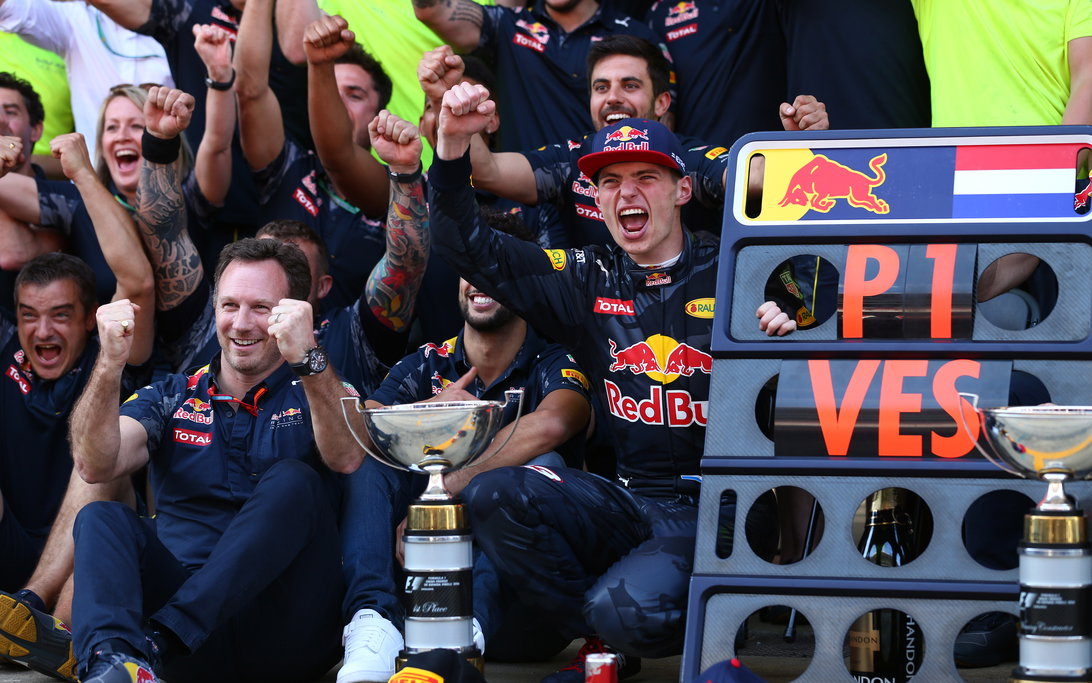
Horner's resistance echoed the wider chorus claiming an 18-year-old lacked the experience for a front-running squad. Yet the move happened anyway. Verstappen arrived at Red Bull and delivered victory in Barcelona on his very first outing, silencing critics in the most brutal fashion possible.
Mental Steel Over Strategy Sheets
What the history books miss is the human cost inside the garage. Driver resilience always trumps the latest aerodynamic tweak or power unit upgrade. Verstappen carried the quiet fury of being doubted, turning it into fuel that burned hotter than any engine.
"The young falcon does not ask permission from the wind before it flies," Marko once told me in a quiet corner of the hospitality suite, his words carrying the weight of Arabic verse.
That same mental edge now separates the current Red Bull lineup. Whispers from the strategy room suggest calls still tilt toward one driver, echoing the 1994 Benetton days when secrets stayed buried until they exploded in public. Today's teams hide their manipulations better, but the pattern remains. Pérez's potential sits stifled beneath layers of favoritism that began with that 2016 promotion debate.
The Desert Winds Are Shifting
Look ahead five years and the European grip on Formula 1 loosens for good. Saudi Arabia and Qatar will bring new teams that disrupt the old power structure with fresh capital and fearless ambition. These entrants will value raw mental toughness and team harmony over political chess games. Red Bull's current model, built on protecting one star at the expense of collective morale, risks cracking under that coming pressure.
The 2016 gamble succeeded because Verstappen refused to break. Yet the same political DNA now threatens to limit what the team could achieve with balanced support for both drivers. Horner’s early doubt was not a mistake in outcome, only in spirit. The sport moves forward, and those who cling to old hierarchies will watch the new desert challengers overtake them without mercy.
Join the inner circle
Get the deep dives and technical analysis from the world of F1 delivered to your inbox twice a week.
Zero spam. Only high-octane analysis. Unsubscribe anytime.