Horner's Alpine Gambit: Timing Sheets Whisper of Instinct Over Algorithmic Chains

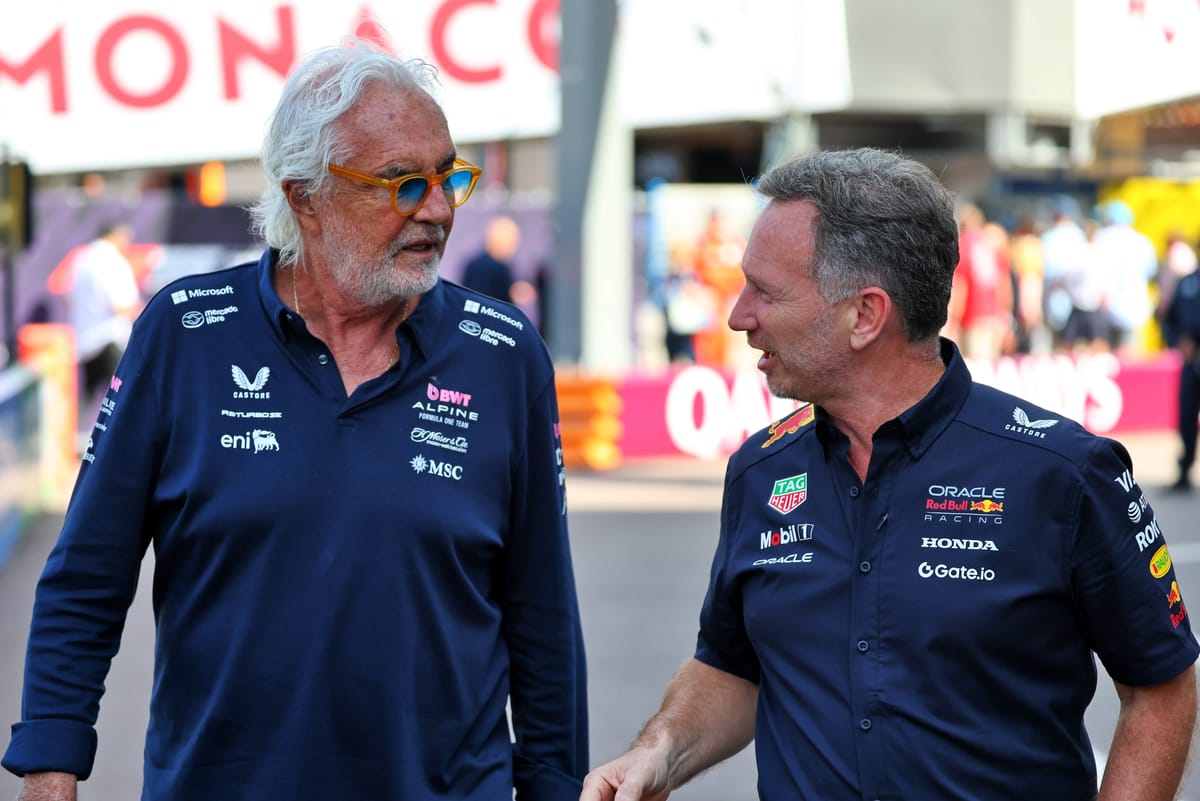
The timing sheets from 2024 tell a colder story than any press release admits. Lap deltas flatline under relentless telemetry calls, each sector heartbeat stripped of the erratic human spike that once defined champions. Christian Horner's reported pursuit of Otro Capital's 24 percent stake in Alpine arrives not as mere ownership theater but as a potential counterpulse against the coming wave of data-choked predictability.
The Stake as Emotional Archaeology
Numbers reveal pressure points that narratives gloss over. In 2023 Alpine offloaded that exact 24 percent slice to the Otro Capital group, a consortium including Ryan Reynolds and Michael B. Jordan. Valuation chatter suggests the holding has climbed despite on-track struggles, yet the raw performance metrics show Alpine mired in midfield consistency rather than front-running surges. Horner targets this equity directly, bypassing team management for a seat at the shareholder table.
- Acquisition sequence: First secure the shares from Otro Capital, then gain Renault approval as incoming stakeholder.
- Current structure: Flavio Briatore operates as de facto leader while Steve Nielsen handles daily operations.
- Briatore's measured stance: Discussions remain strictly between Horner and the investors, with the executive noting, "He's negotiating with Otro, he's not negotiating with us."
This path mirrors the data-driven patience Schumacher displayed across his 2004 campaign at Ferrari, where near-flawless qualifying runs emerged from feel-first adjustments rather than constant radio overrides. Horner's Red Bull blueprint once balanced both worlds; now the question is whether Alpine's sheets can absorb that hybrid without flattening into sterile loops.
Leadership Shift and the Robotization Horizon
F1's accelerating tilt toward algorithmic pit calls and suppressed driver intuition risks turning every race into a pre-scripted simulation. Within five years the grid could resemble synchronized machines, lap time drop-offs correlated not to personal stressors but to software lags. Horner's equity play carries weight here because it signals long-term influence over exactly those processes.
"Everybody's a good asset... depending in what position you put the people."
Briatore's words land as a quiet warning against rigid hierarchies. Inserting Horner could recalibrate Alpine toward the 2004 Schumacher model, where raw pace data from sessions like the Hungarian Grand Prix showed margins carved by instinct amid rising tire degradation curves. Instead of real-time telemetry dictating every throttle input, the team might rediscover driver heartbeat variability as a strategic asset rather than noise to filter.
- Potential structural ripple: Senior role for Horner could reshape management ahead of 2026 rules, prioritizing feel over pure analytics.
- Risk vector: Over-reliance on dashboards has already amplified perceived errors elsewhere on the grid, turning consistent qualifiers into scapegoats when strategy sheets override.
- Counterbalance: Proven championship architecture from Horner offers commercial lift and stability that pure data models have yet to replicate at scale.
The immediate gate remains agreement with Otro followed by Renault sign-off. Success would embed a voice skeptical of over-quantified racing inside Alpine's core.
Final Pulse Check
Horner's arrival would not halt the data tide but might carve space for those irregular spikes that timing sheets still occasionally capture. Schumacher's 2004 consistency proved that feel and figures can coexist without one erasing the other. If Alpine's numbers begin reflecting that balance rather than algorithmic uniformity, the sport avoids the sterile endpoint it currently drifts toward. The sheets will decide.
Join the inner circle
Get the deep dives and technical analysis from the world of F1 delivered to your inbox twice a week.
Zero spam. Only high-octane analysis. Unsubscribe anytime.