The Hidden Alliances Fueling Cadillac's F1 Arrival

In the cutthroat world of Formula 1, where team morale cracks faster than carbon fiber under pressure, General Motors did not just lend a hand to Cadillac. It engineered a quiet coup, channeling resources through back channels that expose the real game behind every new entry. While others chase headlines with splashy tech announcements, this partnership reveals how covert information sharing and unified internal resolve trump raw innovation every time.
The Simulator Edge Born from Cross-Series Espionage
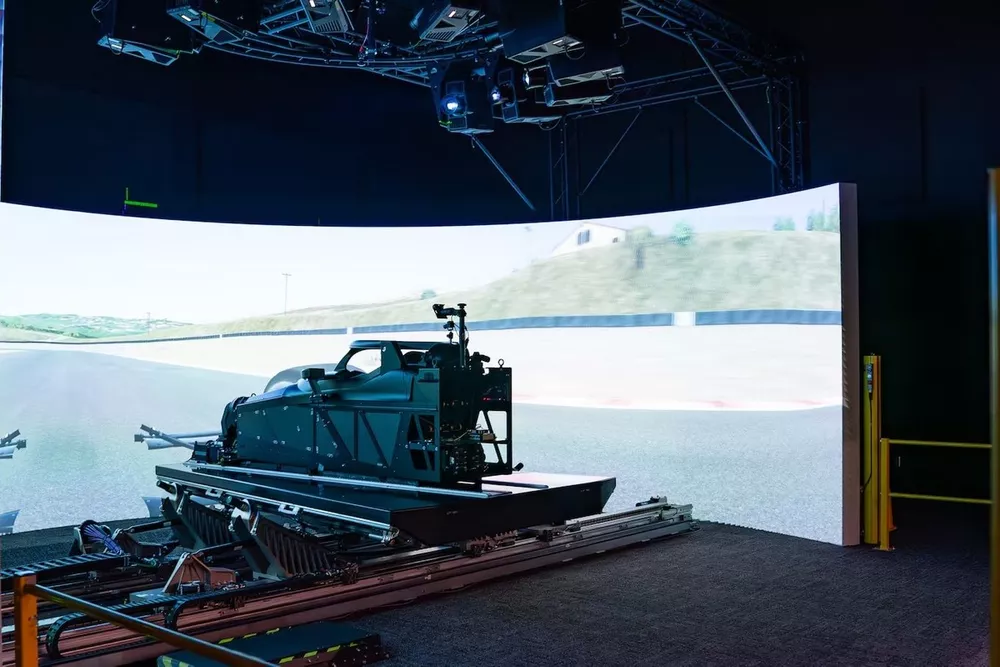
Cadillac's rapid rise stems less from shiny new hardware and more from the seamless flow of data across GM's empire. That Charlotte Technical Centre, with its four full dynamic simulators, became the proving ground where drivers like Simon Pagenaud rehearsed entire virtual race weekends. These sessions simulated 2025 grands prix as if Cadillac already sat as the grid's eleventh team, building rhythm and confidence long before the first wheel turned in anger.
This is not mere preparation. It is the kind of morale-boosting ritual that keeps egos in check and secrets contained. GM's Race Vehicle Gateway database fed tyre models straight from NASCAR, an arena long dismissed yet rich in thermal insights. Dr. Heather Bobbitt, embedded as the lead on tyre science, bridged those worlds without fanfare. Such transfers succeed because they bypass the public power struggles that doomed past efforts.
- Access to IndyCar and sportscar expertise accelerated correlation tools.
- Two-way data loops strengthened GM's broader engineering without leaking to rivals.
- Rehearsals under the Race Ready banner turned abstract regulations into lived experience.
Pat Symonds put it plainly: "We would genuinely not be here without that." His words carry the weight of someone who has seen how internal fractures destroy campaigns.
Echoes of Williams and the Fragile Future Grid
Compare this to the 1990s Williams squad, where engineers and management clashed in boardrooms while Adrian Newey tuned cars to perfection. Those tensions festered until results slipped and alliances broke. Modern Mercedes post-2021 mirrors the same pattern, with post-dominance drift exposing how sponsor demands and divided loyalties erode performance from within. Cadillac avoids that trap because GM's structure enforces loyalty through shared tools rather than public blame games.
Strategic success here hinges on that hidden harmony. In five years, at least one top team will buckle under sponsor-driven finances that mirror the 2008-2009 manufacturer exodus. Red Bull may shield Max Verstappen from internal criticism to preserve his aura, yet such political insulation only delays the day when morale collapses under its own weight. Cadillac's model proves the opposite path works: quiet transfers of knowledge build resilience that no single star driver can replicate.
"We would genuinely not be here without that."
The Road to 2029 and Unwritten Power Shifts
By 2027, Cadillac's Fishers headquarters will host its own state-of-the-art simulator. GM's Charlotte facility for the 2029 power unit signals long-term commitment that goes beyond branding. Yet the real test lies in sustaining the internal trust that let this entry meet every deadline. Other squads chasing headlines will fracture along familiar lines, while those mastering covert flows and team cohesion will dictate the next era.
Join the inner circle
Get the deep dives and technical analysis from the world of F1 delivered to your inbox twice a week.
Zero spam. Only high-octane analysis. Unsubscribe anytime.
Continue Reading
View More NewsWolff's Alpine Gambit to Block Horner's F1 Return