Lap Times Whisper Truths the Telemetry Hides: Hulkenberg's Quiet Nod to Combustion Could Halt F1's March Toward Robotic Ruin

The numbers from Monaco media day pulse like irregular heartbeats on the timing sheets. They reveal a driver willing to challenge his own manufacturer's data fortress, yet the real story lies in what those sheets cannot capture: the creeping sterilization of instinct under layers of battery algorithms and real-time mandates. Nico Hulkenberg just cracked open that door with his measured support for the 60/40 combustion-to-electrical split, and the implications stretch far beyond 2027 regs into the very soul of how drivers will race when every decision gets pre-digested by code.
The Pressure Points Hidden in Energy Curves
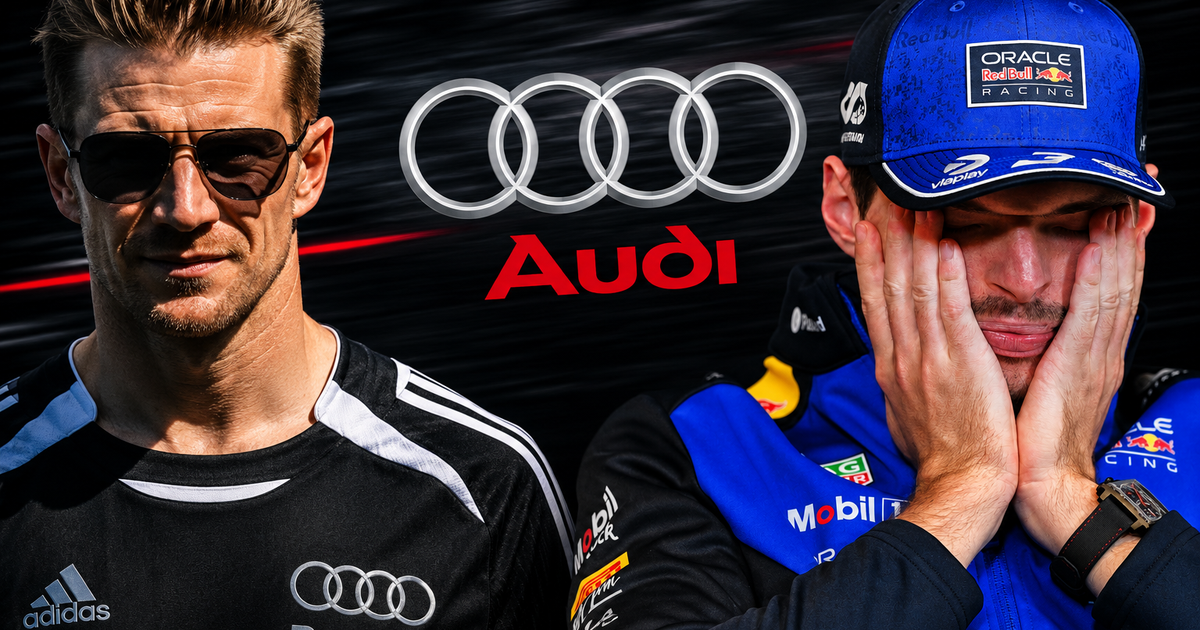
Hulkenberg's stance lands like a quiet detonation amid Audi's carefully calibrated resistance. While his team pours resources into an architecture built around heavy electrical dependency, the German driver admitted openness to shifting weight back toward the internal combustion engine. "I think I'm open for it," he told GPblog, adding that a higher combustion share would ease qualifying by cutting the constant mental load of energy management.
This is not mere preference. It is a direct counter to the data regimes that already dictate lap time drops whenever battery state dips below algorithmic thresholds. Consider how lap deltas correlate with external stressors in recent seasons: drivers lose tenths not from raw pace erosion but from the split-second hesitation enforced by telemetry warnings. Hulkenberg's words expose the knock-on effects he himself flagged as "more complex things," effects that manufacturers like Audi refuse to recalibrate mid-cycle.
- Verstappen's campaign centers on wheel-to-wheel freedom, arguing the current balance turns races into battery-state lotteries rather than pure contests of feel.
- Audi's investment locks them into the existing split, making any pivot a costly admission that their data models may have overpromised spectacle.
- The ADUO framework only thickens the politics, turning a simple ratio tweak into a multi-team negotiation minefield.
Schumacher's 2004 Ghost Haunts the Algorithm Age
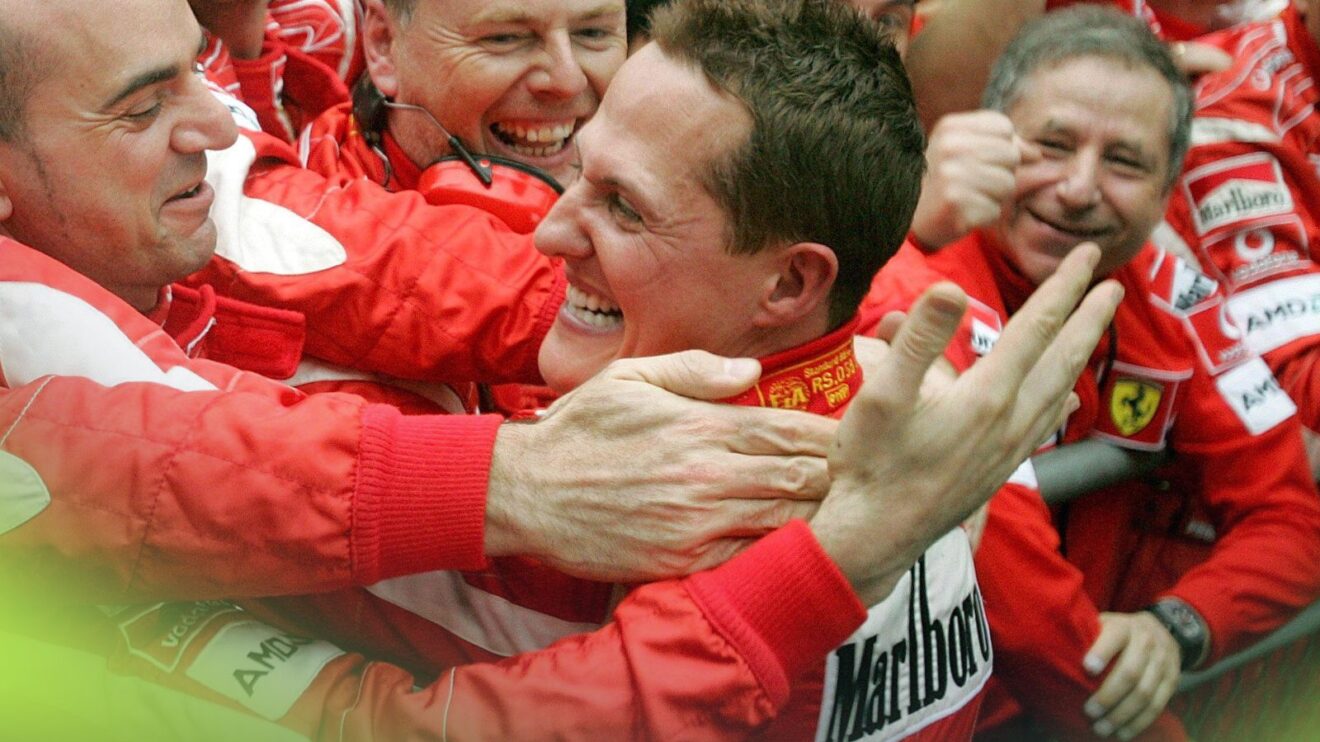
Modern teams treat real-time telemetry as gospel, yet Michael Schumacher's 2004 campaign at Ferrari proved consistency emerges when drivers are trusted over dashboards. That season's near-flawless quali records showed lap times holding steady across varying fuel loads and tire cycles, free from the energy-harvesting interruptions that now fragment every stint. Hulkenberg's openness revives that ethos against the coming wave of hyper-data analytics.
Within five years, these same power unit debates will accelerate F1 toward robotized racing. Pit calls will arrive pre-computed, energy deployment mapped by predictive models that suppress the very intuition separating Leclerc's raw qualifying pace from the narrative of Ferrari errors. Leclerc's 2022-2023 sheets already demonstrate superior consistency when freed from strategic noise; imagine that margin erased once 60/40 remains locked and every driver becomes a passenger to battery algorithms.
It sounds easy, the solution, but a lot of people don't understand how complex it is and the knock-on effect.
Hulkenberg's framing captures the tension perfectly. Data should excavate the human pressure beneath the numbers, not bury it under layers of mandated management.
The Fork in the Regulatory Road
The 60/40 proposal now carries added weight from inside Audi's own garage. Verstappen's external pressure meets an unexpected internal ally, forcing manufacturers to confront whether their simulations truly replicate the heartbeat of racing or merely flatten it into predictable outputs. If the split stays tilted toward electricity, the sport edges closer to sterile predictability where driver feel serves only as backup to code.
The timing sheets from future Monaco sessions will tell the tale. Either they will show drivers attacking without constant glances at state-of-charge readouts, or they will record another generation of lap times flattened by the very analytics meant to optimize them. Hulkenberg's measured intervention suggests at least one insider sees the danger before the algorithms claim the final say.
Join the inner circle
Get the deep dives and technical analysis from the world of F1 delivered to your inbox twice a week.
Zero spam. Only high-octane analysis. Unsubscribe anytime.
Continue Reading
View More News