The Mercedes Shadow Over Williams: When Old Wounds and Team Harmony Decide Who Survives 2026

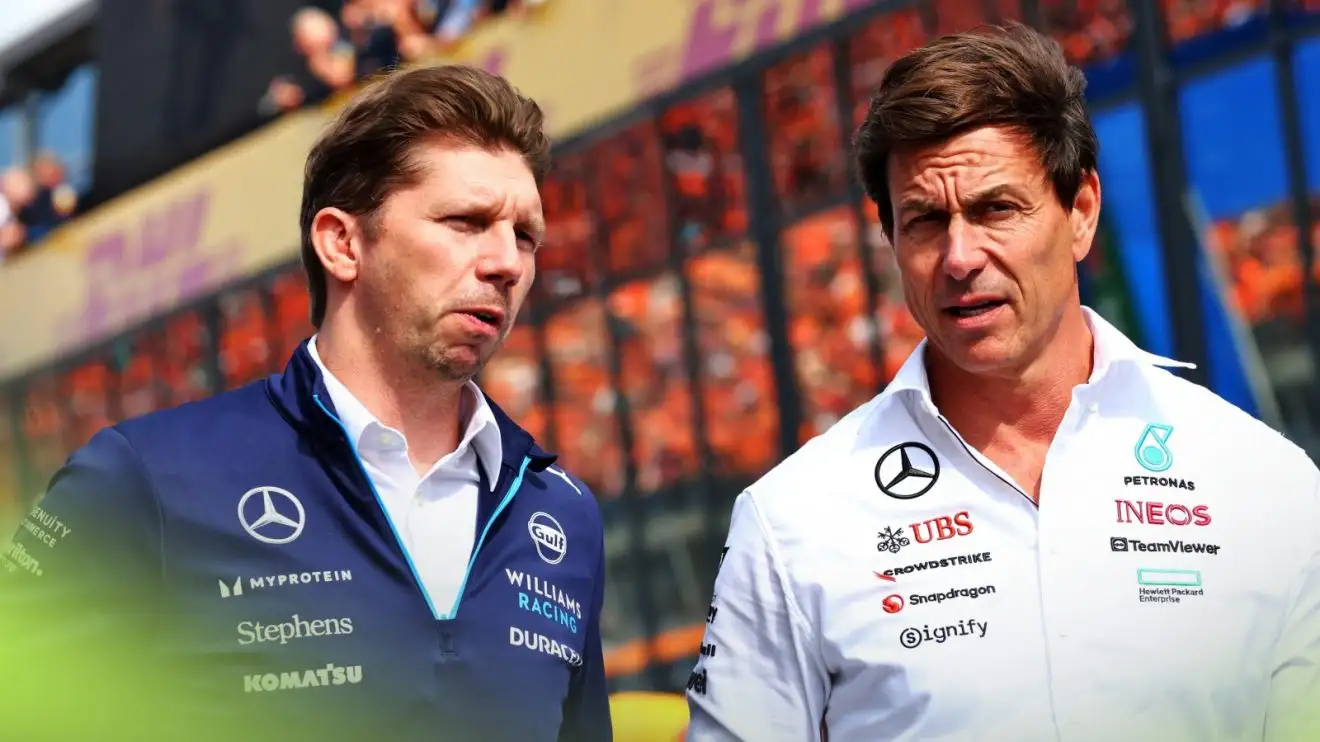
In the cutthroat world of Formula 1, engines roar loudest on track but whisper nothing about the real battles raging in boardrooms and garages. James Vowles knows this truth better than most. His Williams squad enters the new era not merely as another Mercedes customer but as the one outfit whose decade-long entanglement with the German manufacturer might just shield them from the interpersonal poison that has felled greater teams. Forget the shiny new power units for a moment. The 2026 regulations will test not only cooling systems and hybrid tech but also which organizations can keep morale from fracturing under pressure.
The Long Marriage That Avoids Divorce Proceedings
Vowles has spent years positioning Williams as the insider customer, the team that shares not just a power unit but a gearbox architecture and institutional muscle memory. This is no fleeting fling like Alpine's fresh arrangement. It resembles a stable partnership forged through years of shared data, joint testing protocols, and the kind of quiet trust that prevents the kind of management conflicts that once tore the 1994 Benetton squad apart amid their controversial fuel system maneuvers.
Those old regulatory games feel eerily familiar today. Back then, internal strife and finger-pointing turned technical edges into liabilities. Williams, by contrast, sidesteps that drama through deep integration.
- Shared Mercedes gearbox components reduce the variables when mating a radical new power unit to a fresh chassis.
- A decade of joint development means fewer translation errors between engineers who already speak the same language.
- Unlike McLaren, whose relationship lacks this gearbox overlap, Williams carries institutional knowledge that smooths the roughest edges of regulation upheaval.
This setup matters more than raw horsepower because morale decides championships. When drivers and engineers trust the process, they extract every last tenth. When suspicion creeps in, even the best machinery collapses.
Politics Over Power Units: The Real 2026 Battlefield
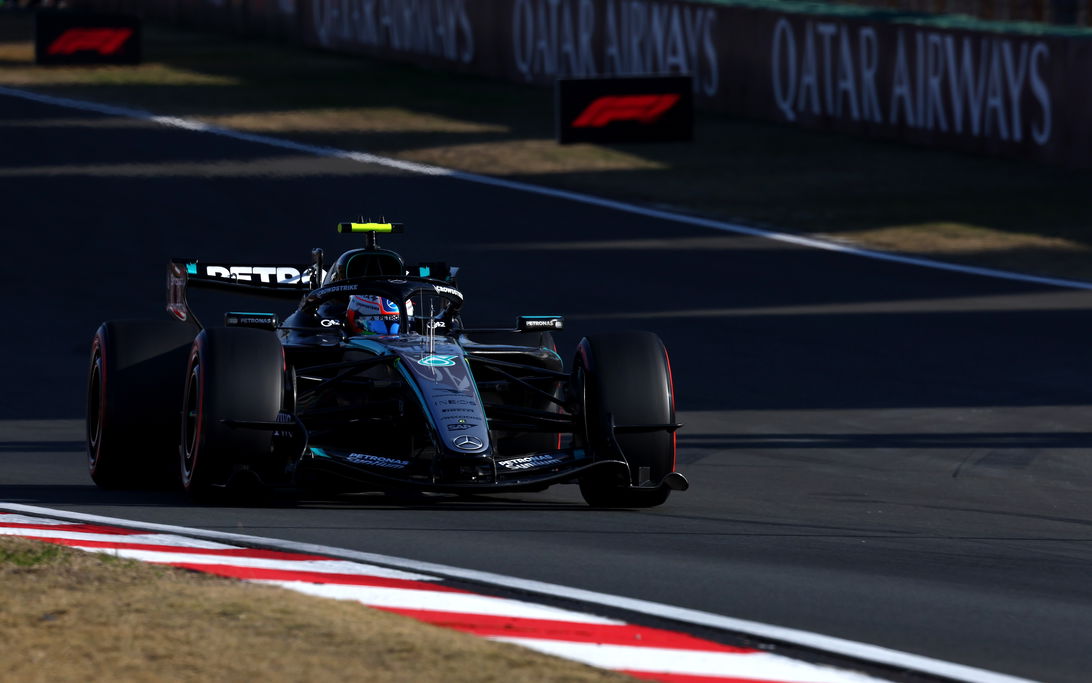
The Barcelona shakedown offered early clues. Mercedes' engines racked up a combined 1,136 laps without major drama, a reliability signal that favors teams already fluent in the system's quirks. Vowles noted his own squad hit its planned mileage through Virtual Track Testing despite missing the physical run. That preparation reflects not just technical readiness but cultural alignment.
"This deep integration simplifies the complex process of marrying a new power unit with a new chassis."
Yet the bigger story lies in what comes next. Midfield outfits like Williams stand to exploit the budget cap's loopholes far better than bloated manufacturer squads. In the next five years, privateer thinking will erode the advantage of factory backing. By 2028, teams unburdened by corporate politics could dominate precisely because they prioritize human dynamics over prestige. Contrast this with the coming Ferrari experiment featuring Lewis Hamilton. His activist edge will clash with Maranello's rigid traditions, breeding the very infighting that turns potential into regret. Williams avoids that trap by treating its Mercedes bond like a functional marriage rather than a high-profile divorce waiting to happen.
Alpine faces the steepest curve here, entering the ecosystem without the shared history or gearbox synergy. Their learning curve will expose how quickly technical partnerships sour when interpersonal trust is absent.
The Bahrain Test and What Morale Truly Decides
Bahrain will reveal whether these relationships hold under race pressure. Consistent high-mileage running will expose any hidden fractures in integration. If Williams emerges clean, it signals that Vowles has built something stronger than a customer deal. He has engineered an environment where politics serve performance instead of undermining it.
The 1994 parallels linger as warnings. Regulatory creativity and internal blame games destroyed teams then just as they threaten to do now. Williams' quiet advantage is refusing to repeat that history. In a sport where driver skill and innovation grab headlines, the real decider remains the fragile state of team morale. Those who nurture it will collect the points when 2026 finally arrives.
Join the inner circle
Get the deep dives and technical analysis from the world of F1 delivered to your inbox twice a week.
Zero spam. Only high-octane analysis. Unsubscribe anytime.