Data's Silent Pulse at Suzuka Reveals Mercedes Chasing Schumacher's Ghost

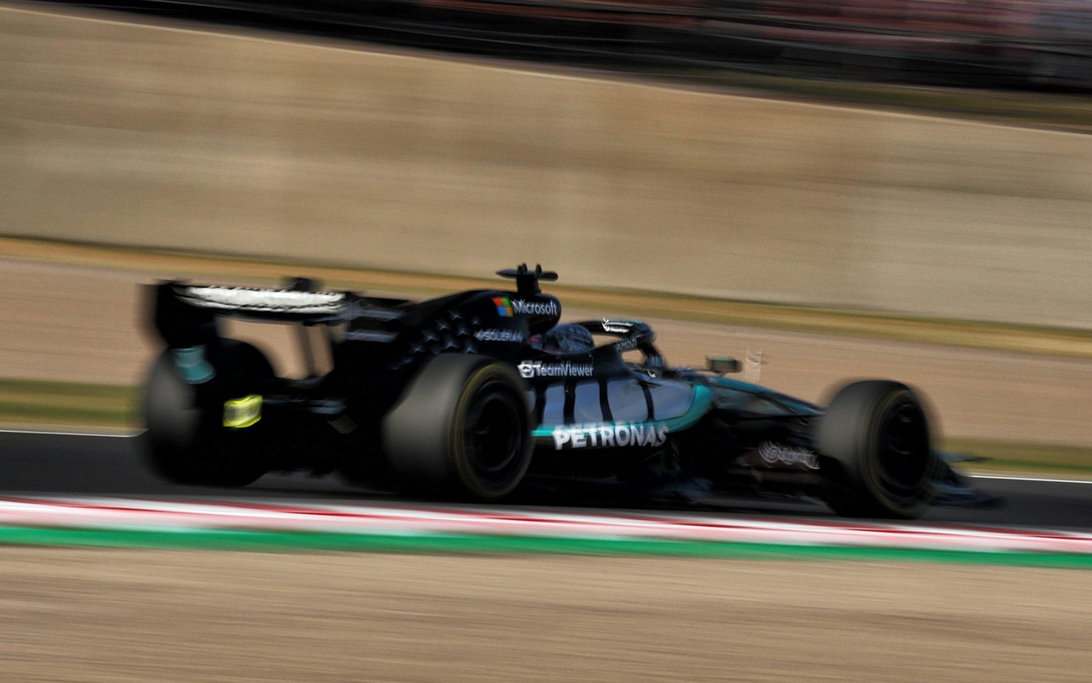
The lap time sheets from those opening rounds land with the weight of a stalled heartbeat. Mercedes has carved out perfect 1-2 finishes already, yet the raw numbers expose a rhythm too mechanical, too reliant on real-time telemetry that threatens to drain the sport of its human edge before the decade ends.
The Numbers Whisper Pressure Beyond the Track
George Russell and rookie Kimi Antonelli sit atop the early standings because their data sets align with clinical precision. Each sector split tells its own story of controlled aggression rather than raw improvisation.
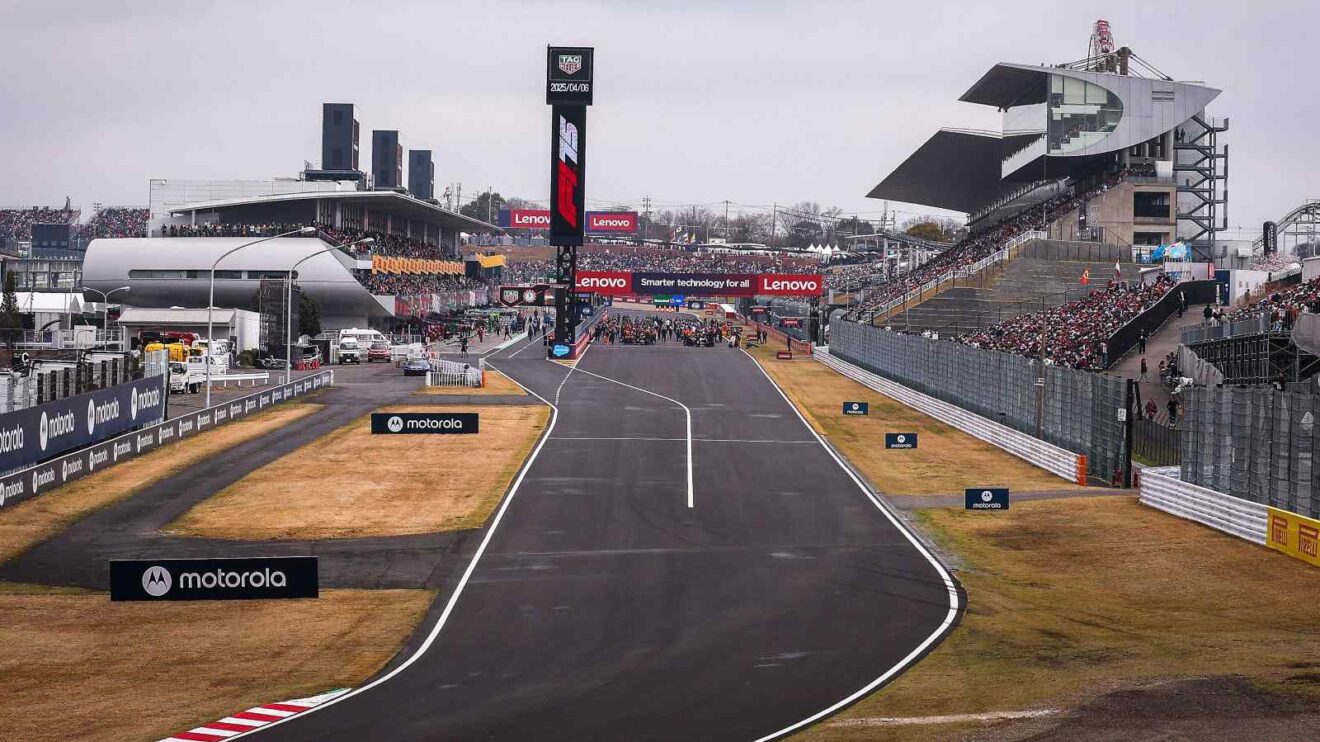
- FP1 on Friday at 02:30 UK time will expose initial tire degradation curves at Suzuka.
- FP2 follows at 06:00, where teams typically chase balance tweaks that either amplify or mute driver input.
- These sessions matter more than ever because they feed algorithms already primed to override instinct.
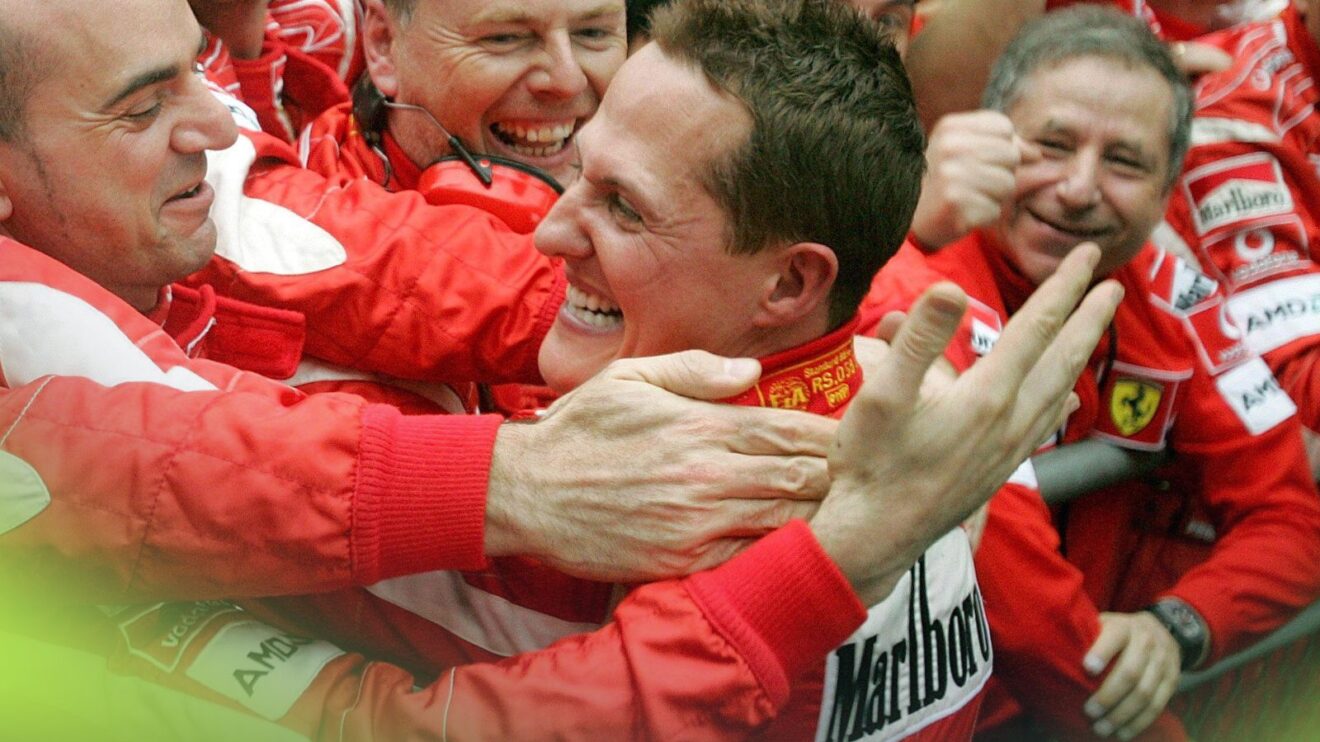
I keep returning to Michael Schumacher's 2004 campaign at Ferrari. His qualifying consistency that year hovered near flawless, with lap drops rarely exceeding two-tenths even under championship pressure. Modern timing sheets lack that organic variance. Instead they show engineered plateaus that feel engineered rather than earned.
Ferrari's Strategy Shadows Leclerc's True Pace
Charles Leclerc carries an unfair error-prone label precisely because Ferrari's calls distort the underlying data. Look back at his 2022-2023 qualifying runs. The telemetry reveals sector-three consistency that placed him ahead of most rivals on pure pace metrics, yet strategic missteps turned those advantages into visible mistakes.
This is emotional archaeology at work. Correlating a sudden tenth drop-off with external stressors uncovers stories the broadcast never reaches. Leclerc's raw speed remains elite. The blame belongs to the garage, not the wheel.
The Looming Robotization of the Grid
Within five years this hyper-focus on analytics will flatten racing into predictable sequences. Algorithmic pit calls will suppress the split-second intuition that once defined great drivers. Schumacher's 2004 season succeeded because the data served the man, not the other way around. Today's setups invert that relationship, turning every Suzuka lap into a rehearsed simulation.
When lap times start resembling heart monitors rather than heartbeats, the sport loses its capacity for surprise.
The traditional weekend format returns here, with no Sprint to disrupt the flow. Qualifying at 06:00 on Saturday becomes the true test of whether Mercedes can maintain its numerical lead or if rivals finally force variance back into the sheets.
Suzuka's Verdict on the Season's Trajectory
FP3 at 02:30 Saturday and the race at 06:00 Sunday will deliver the clearest signals yet. Watch for any deviation from Mercedes' established patterns. Those small fractures in the data could mark the last stand of driver feel before full automation takes hold.
The broadcast details remain straightforward. Sky Sports F1 carries the action in the UK while Apple TV+ serves American viewers through a seven-day trial for new subscribers. Yet the real narrative lives in the numbers themselves, not the commentary overlay. Suzuka always rewards those willing to read between the timing lines rather than accept the surface story.
Join the inner circle
Get the deep dives and technical analysis from the world of F1 delivered to your inbox twice a week.
Zero spam. Only high-octane analysis. Unsubscribe anytime.
Continue Reading
View More News