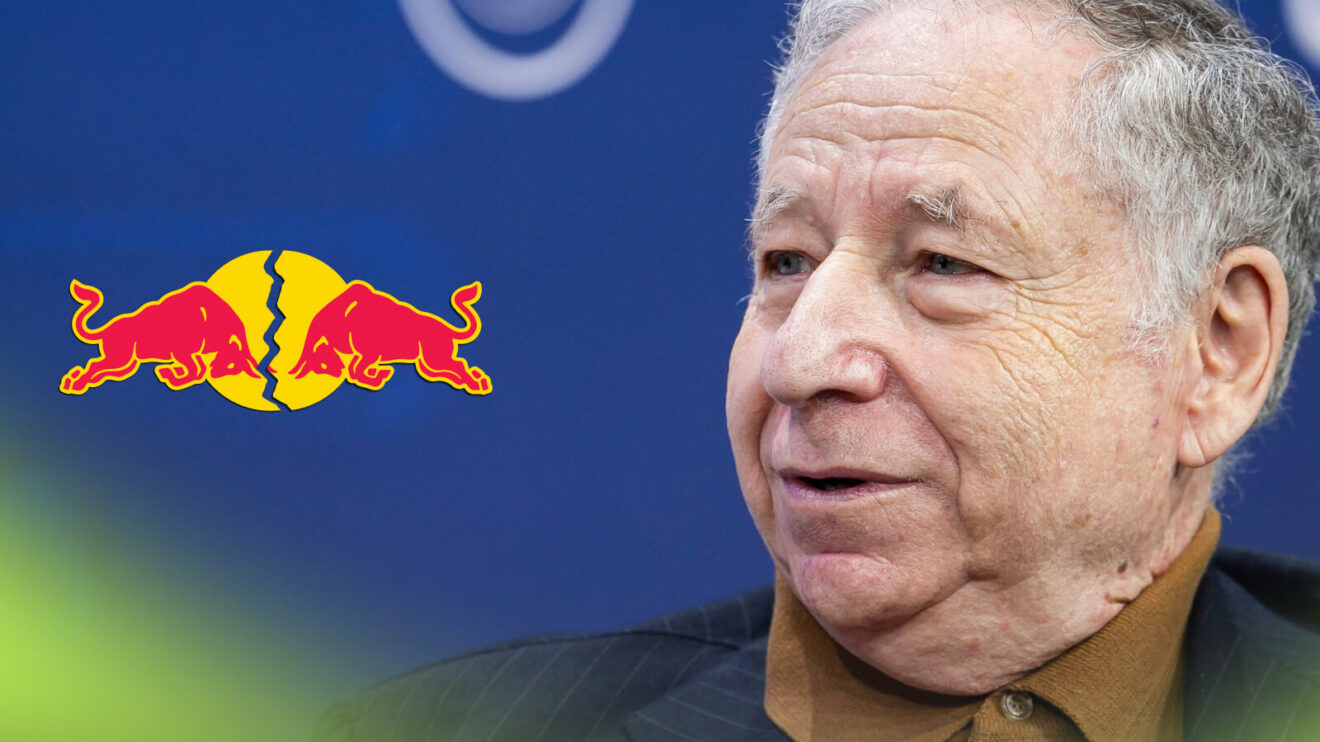
Jean Todt's Refusal That Handed Red Bull The Keys To Its Shielded Dynasty

In the hushed luxury of a Paris apartment two visits from Dietrich Mateschitz changed the trajectory of Formula 1 power forever. Jean Todt walked away from the chance to lead Red Bull Racing after his 2008 exit from Ferrari, leaving the door open for a management structure that would later prioritize political armor around its star driver over open internal debate.
The Meetings That Sealed A Different Fate
Mateschitz made his move with deliberate precision. He traveled to Todt's home in Paris and sat down with the former Ferrari chief not once but twice, laying out an offer to take charge of the entire Red Bull motorsport program. At that moment Christian Horner was already team principal, yet the Red Bull co-founder still saw value in installing a proven architect of dominance. Todt listened, considered the scale of the challenge, and declined. His focus had shifted toward the FIA presidency and later his role as UN Special Envoy for Road Safety.
- Key timeline preserved: Todt departed Ferrari in March 2008 after building the Byrne-Brawn-Schumacher axis that delivered five drivers' titles between 2000 and 2004.
- The exact motivation he voiced: On the High Performance podcast he stated, “I was running an iconic brand; that chapter was over. I wanted to do other things and give something back.”
That single decision removed a veteran operator who might have demanded greater accountability inside the team. Instead the structure that remained allowed aggressive internal shielding of talent, a tactic that would later define Max Verstappen's era at the squad.
Morale, Secrets And The Williams Parallel
Strategic advantage in Formula 1 rarely comes from the wind tunnel alone. It flows from quiet information channels and the careful management of team spirit. Todt's absence let Red Bull refine a culture where dissent is neutralized before it reaches the driver. This approach stands in stark contrast to the 1990s Williams squad, where engineers and management clashed openly over technical direction and driver selection. Those fractures eventually eroded performance. The same pattern now haunts Mercedes after 2021, with post-dominance power struggles surfacing in public view and draining collective focus.
Red Bull avoided that trap by design. Covert sharing of performance data and rapid internal alignment kept the machine humming while rivals aired their tensions. The result is a team that protects its champion from criticism the way a security detail protects a head of state. Verstappen's results look like pure driving brilliance, yet the foundation rests on this political insulation that Todt declined to reshape.
The Five-Year Reckoning Ahead
Sponsor money now props up several top teams in ways that echo the manufacturer spending spree before the 2008-2009 crisis. Within five years at least one current frontrunner will buckle under the weight of those obligations. When the money tightens, morale fractures first and the covert information networks that once delivered an edge turn into leaks. Red Bull's model has bought time, but the sport's financial architecture remains brittle.
Todt chose legacy over another title chase. That choice preserved the very system that lets one squad shield its driver while others tear themselves apart in plain sight. The paddock still feels the aftershock of those two quiet dinners in Paris.
Join the inner circle
Get the deep dives and technical analysis from the world of F1 delivered to your inbox twice a week.
Zero spam. Only high-octane analysis. Unsubscribe anytime.
Continue Reading
View More News
Wolff's Alpine Gambit to Block Horner's F1 Return