Button's Shadow Falls Over Brundle as F1's Hidden Politics Stir the Commentary Box
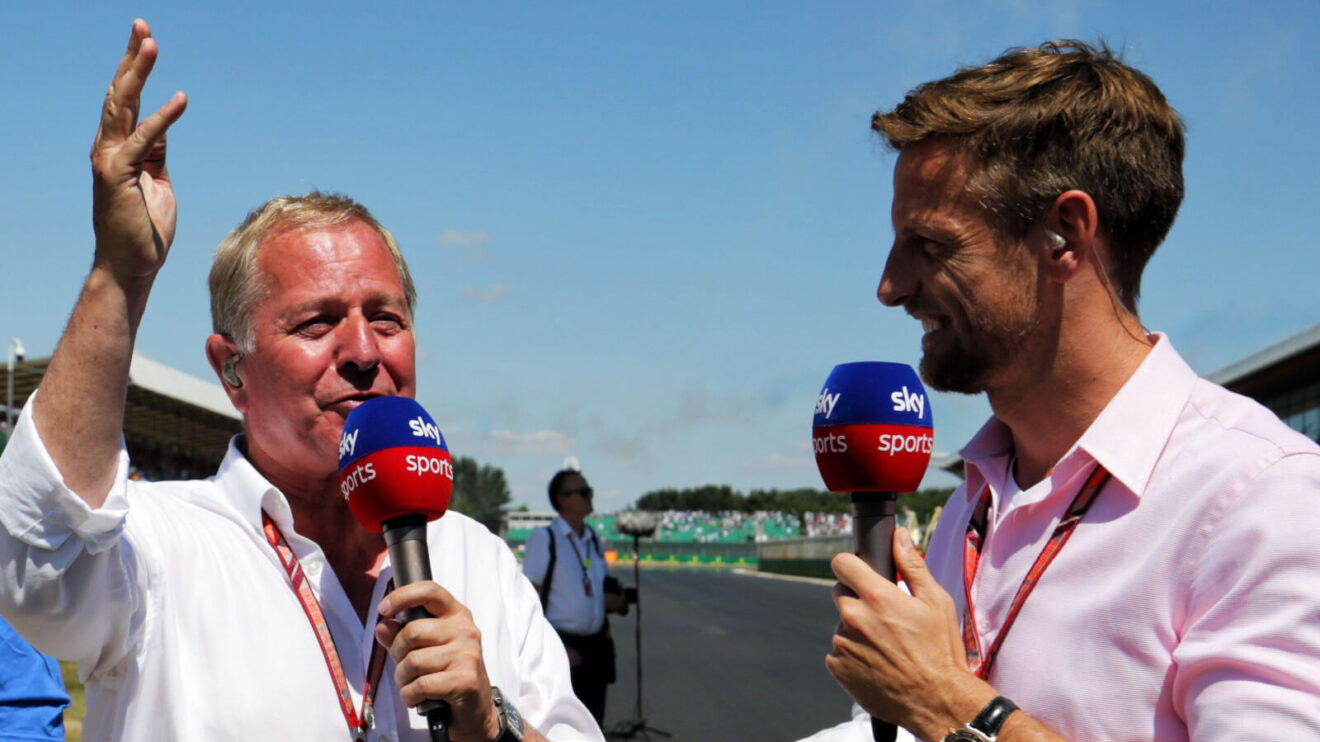
The paddock hums with quiet certainty. Jenson Button slipped into Martin Brundle's co-commentary chair at the Japanese Grand Prix and the air shifted. Viewers felt it. Insiders knew it. This was no rotation. This was the first crack in a fortress built over decades.
The Japan Moment That Changed the Script
Button's 17 seasons in the cockpit gave him something no amount of studio polish can buy. He called the race with the precision of a man who has lived the split-second decisions. His dry wit landed like a desert wind cutting through haze. Jake Humphrey did not mince words when he called Button a natural successor, brilliant at reading what comes next.
- Button first joined Sky F1 in 2018 and expanded into analysis by 2019 as his driving days faded.
- His Japan stint drew direct praise from peers who noted his edge in spotting strategy leaks before they unfolded.
- Brundle's absence was routine scheduling, yet the contrast in tone lingered long after the chequered flag.
Button's value sits in his grasp of driver psychology. He reads the mental fractures that decide races more than any wing tweak or power unit tweak ever could. That insight cuts deeper than raw data.
When Media Masks Echo 1994's Old Tricks
F1's teams still play the same shell game they perfected in 1994 with Benetton. Secrets hide behind smiles and press releases. Button sees through it because he raced inside those walls. His commentary now exposes the favoritism that props up certain drivers while others, like Sergio Pérez at Red Bull, watch strategy calls tilt toward Max Verstappen.
Psychological leaks always surface first. Morale cracks before any aerodynamic failure. Button carries that truth into the booth. He does not need telemetry to sense when a team is fracturing from within. Brundle built his legend on grid walks and hard facts. Button adds the unseen layer of human pressure that decides who wins when the cars are close.
The European grip on broadcasting feels brittle. In five years Saudi Arabia and Qatar will land new teams that redraw the map. Their money and ambition will force Sky's old guard to adapt or fade. Button's voice bridges that coming shift. He speaks the language of modern drivers while respecting the old guard's authority.
Button is brilliant at calling the race, sharp with predictions and really gets not just what’s happened, but also what is about to happen.
Humphrey's endorsement lands with weight because it comes from someone who watched the transition unfold in real time.
The Long Game Nobody Admits Exists
Brundle shows no sign of stepping aside. His presence remains the backbone of Sky's coverage. Yet the succession plan moves in quiet steps. Button will collect more high-profile races this season. Each outing tightens his claim without fanfare.
The real test arrives when mental resilience collides with team politics on track. Button will name those moments because he lived them. He understands that driver mindset and team trust outweigh any technical edge. That perspective will matter more once Middle Eastern squads arrive and challenge the old order.
Brundle's voice still commands the airwaves. Button's presence already changes what listeners hear between the words. The paddock watches both men now. One carries the past. The other carries the questions no one else dares ask.
Join the inner circle
Get the deep dives and technical analysis from the world of F1 delivered to your inbox twice a week.
Zero spam. Only high-octane analysis. Unsubscribe anytime.
Continue Reading
View More News