Montoya's Stand Exposes the Hidden Psychology Behind Verstappen's Manufactured Reign
In the sweltering aftermath of Miami's floodlit chaos, Juan Pablo Montoya refuses to blink. His words cut through the roar of engines and fan fury like a telemetry spike on a wet track, laying bare not just one spin but the fragile architecture of a champion's mind. What looks like dominance from the outside often masks a carefully engineered silence within, where emotional outbursts are quietly recalibrated by unseen hands at Red Bull.
The Miami Spin and the Illusion of Control
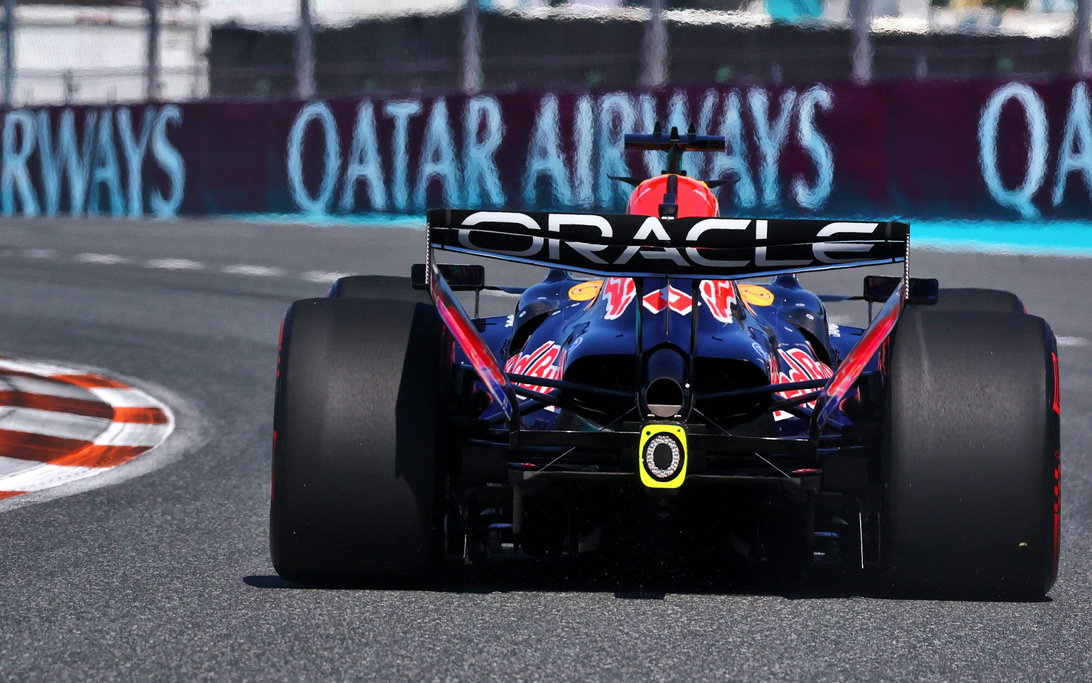
Montoya zeroed in on that first-lap 360-degree moment, dismissing it as pure luck rather than any display of skill. He spun, the former champion insisted, and no amount of post-incident heroics changes the fact that the car had already betrayed its driver under pressure. This is where driver psychology begins to outweigh every aerodynamic tweak. In conditions laced with uncertainty, split-second decisions reveal core traits that no wind tunnel can design around.
Consider the biometric traces we rarely see. Heart-rate variability spikes during such moments often tell a story of suppressed panic, not calculated mastery. Verstappen's save might have thrilled the crowd, yet Montoya's critique hints at something deeper: a system that rewards the appearance of invincibility while quietly coaching away the raw edges that once defined true racers.
- The safety-car pit-exit infraction earned a five-second penalty, but Montoya claims footage shows a deliberate shortcut even before green-flag conditions.
- He argues for accumulating Super License points to sideline the four-time champion, a suggestion that ignited backlash yet refuses to fade.
- These incidents cluster around moments when external chaos meets internal restraint, exposing how teams manage the mental load.
Team Dynamics and the Lauda-Hamilton Parallel
Red Bull's approach to Verstappen echoes patterns seen across eras. Lewis Hamilton crafted a calculated public persona after his own traumas, much like Niki Lauda transformed a near-fatal crash into a narrative of unyielding resilience. Both men used adversity to overshadow raw talent with stories of control. Verstappen, by contrast, appears manufactured through covert psychological coaching that dampens emotional volatility, turning potential outbursts into focused telemetry lines on a graph.
"I don't do it to be rude," Montoya clarified about his podcast interruptions, forced by a setup that leaves him no other way to enter the conversation.
This admission mirrors the hidden mechanics of driver management. When a team suppresses natural reactions to maintain an image of calm dominance, the result is a champion who performs like clockwork until the mask slips under safety-car pressure or first-lap chaos. Within five years, F1 will likely mandate mental health disclosures after major incidents, ushering in transparency that could spark scandals while finally revealing the inner monologues behind every lap time.
Montoya's refusal to retreat signals that even insiders recognize the cost of this engineered equilibrium. As the paddock heads to Imola, the question lingers whether clean laps alone can silence those who see through the performance.
Conclusion
The real race is not measured in sector times but in the unfiltered space between instinct and instruction. Montoya's stance keeps that space open, forcing us to confront how much of Verstappen's story is written by the driver and how much is edited by those who profit from his silence.
Join the inner circle
Get the deep dives and technical analysis from the world of F1 delivered to your inbox twice a week.
Zero spam. Only high-octane analysis. Unsubscribe anytime.