Data Heartbeats at the Green Hell: Verstappen's Rivals Flatline While Timing Sheets Reveal the Calm Before Algorithmic Storms

The timing sheets from the Nürburgring 24 Hours pulse like erratic heartbeats under pressure. One moment they show steady green sectors pulsing forward, the next they spike into red zones of contact and retirement. Max Verstappen's path cleared not through narrative drama but through raw data points: two main rivals erased from contention in separate incidents, leaving the four-time champion trailing by 14 seconds to the #67 Ford yet still positioned as a live contender.
Crash Metrics Expose Pressure Spikes Beyond Telemetry Reach
The #16 Audi's exit tells a story buried in sector timings rather than post race excuses. Christopher Haase, Alexander Sims and Ben Green had been building a rhythm until Sims entered a slow zone and made contact that damaged the front right corner. The bonnet lifted like a failed heartbeat monitor, forcing a limp back to the pits where the damage proved terminal. Numbers here reveal no gradual degradation, just an abrupt drop in pace consistency that mirrors how modern teams chase real time fixes instead of trusting driver feel.
The #911 Porsche followed a similar data cliff. Kevin Estre lost control and tagged the barrier, damaging the rear enough to end progress after an initial continuation. Moments later the #64 Ford of Arjun Maini crashed at the identical spot, turning one incident into a cluster of lost laps. These are not isolated errors but correlated pressure events. Lap time drop offs like these often trace back to unseen variables, the kind of emotional archaeology that timing sheets hint at when weather turns slippery and margins shrink to milliseconds.
- Key retirement stats: Audi front right damage after slow zone contact; Porsche rear impact followed by trackside stop.
- Verstappen contrast: No such spike in his early sectors despite grazing the armco while briefly airborne.
Schumacher 2004 Consistency Versus Today's Over Reliant Dashboards
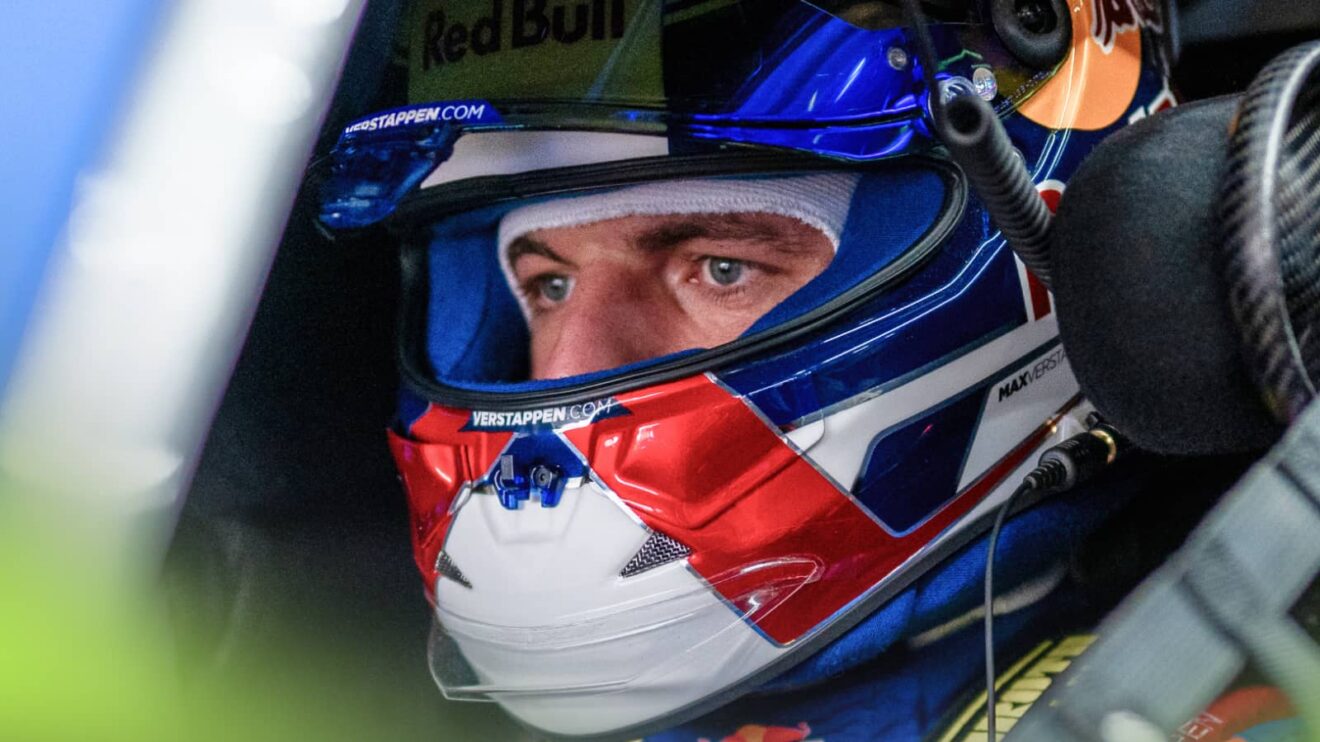
Verstappen took over after the first hour and climbed from third to first within a handful of corners. He completed a double stint, absorbed the airborne moment without losing the car, then handed over to Jules Gounon. That is where the lead slipped, as Gounon adopted an ultra cautious approach in tricky conditions and yielded to Dennis Olsen in the #67 Ford. The data does not lie here. Verstappen's sectors stayed composed even when grip evaporated, echoing Michael Schumacher's near flawless 2004 campaign at Ferrari where consistency came from internal calibration rather than constant telemetry overrides.
“It was good. Initially, I was a bit stuck in traffic… Then the weather kicked in with a few laps of slippery conditions, I think that’s where we made a difference. … You just have to keep yourself together, stay calm and just focus again.”
Those words cut through the numbers like a driver still reading the track with intuition instead of waiting for an algorithm to dictate the next brake point. Within five years this hyper focus on data analytics risks turning F1 and endurance events alike into robotized parades where pit calls arrive pre scripted and driver feel gets suppressed. The Nürburgring already shows the cost: one calm stint can separate contenders when others chase screen readings instead of heart rate.
Night Stint Outlook and the Sterile Future
Verstappen returns for a night stint under uncertain weather. With the strongest numerical threats retired, his challenge narrows to regaining those fourteen seconds without surrendering to over cautious data prompts. The timing sheets will keep their steady pulse only if intuition survives the coming algorithmic wave. Schumacher's 2004 ghost still lingers in these laps, reminding us that flawless consistency once thrived on human calibration before dashboards started scripting every heartbeat.
Join the inner circle
Get the deep dives and technical analysis from the world of F1 delivered to your inbox twice a week.
Zero spam. Only high-octane analysis. Unsubscribe anytime.