The Pulse That Flatlined: Aston Martin's Data Betrayal in Melbourne

The telemetry from Albert Park tells a colder story than any post race quote. Lap after lap, the Aston Martin heartbeat skipped beats in qualifying, then flatlined entirely when the Honda power unit surrendered before a single competitive lap could register. Numbers do not negotiate with hope. They simply record the failure.
The Raw Numbers Behind the Vibration Crisis
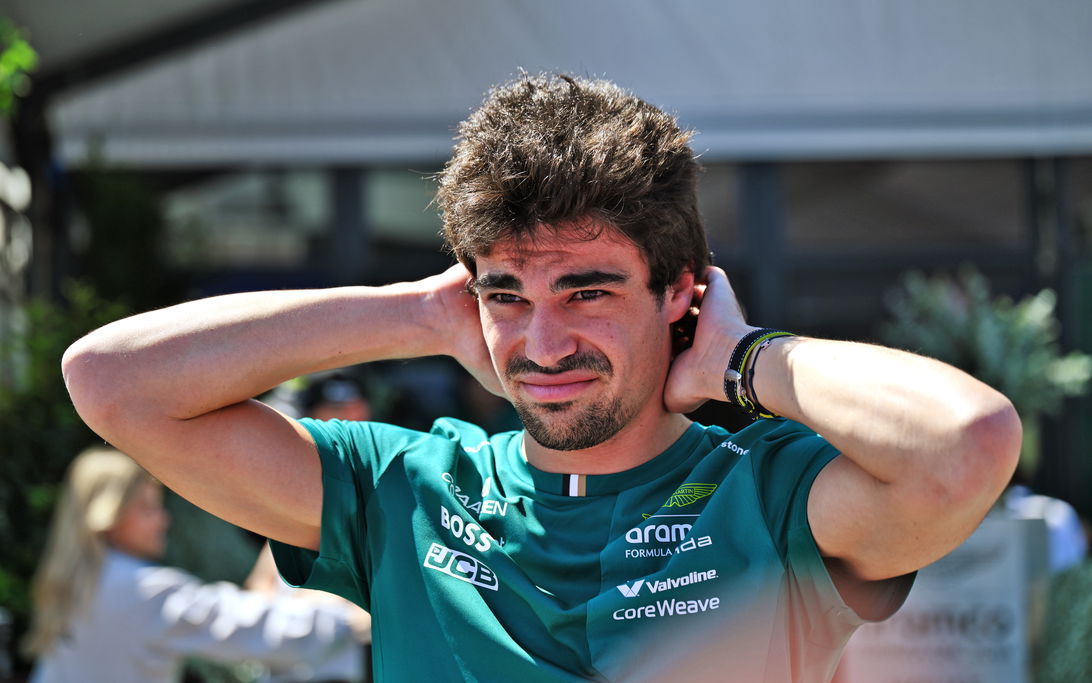
Stroll's weekend began with severe restrictions on track time. Only three laps appeared in FP1 and sixteen in FP2 before the power unit failure erased FP3 and qualifying. That left him starting from the pit lane under special FIA dispensation, finishing fifteen laps down after an early stop for setup changes. The session became what he called "recirculating" rather than racing.
- Power unit failures: two cars, zero points scored.
- Vibration persistence: zero improvement reported from first practice onward.
- Total on track laps for Stroll before the race: nineteen.
These figures expose the chassis advantage as theoretical only. Without reliable propulsion, the aerodynamic promise dissolves into static on the timing screens.
When Driver Feel Meets Algorithmic Control
Stroll's one word verdict, "No," landed with the weight of a data set that refuses to lie. The vibrations remained constant, a safety threat Newey has already flagged as potential permanent nerve damage. Yet the deeper issue sits in how teams now chase fixes through real time telemetry rather than trusting the driver's sensory feedback.
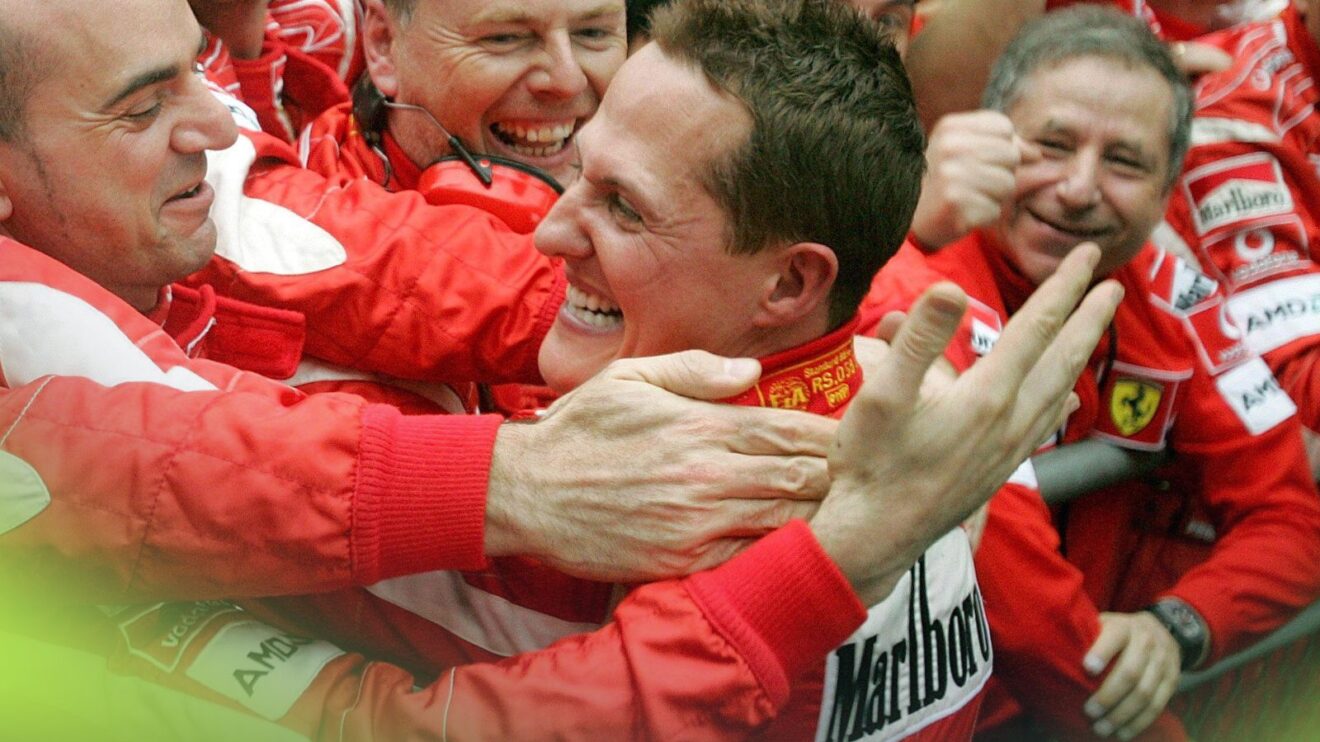
Michael Schumacher's 2004 season offers the clearest contrast. That year his Ferrari produced near flawless consistency because the driver still interpreted grip levels through the wheel, not through a dashboard of predictive models. Today the sport edges toward robotized decision making, where pit calls and setup tweaks arrive pre calculated from cloud servers. Driver intuition gets suppressed in favor of the algorithm, turning what should be visceral responses into sterile inputs.
"The biggest problem is we just don't have any speed and no reliability."
Stroll's summary matches the timing sheets exactly. Fernando Alonso's early retirement simply duplicated the pattern. Both cars revealed the same pressure signature: lap time drop offs that correlate with mechanical stress rather than driver error.
The Human Cost Hidden in the Spreadsheets
Data functions best as emotional archaeology. When we overlay Stroll's limited running against the vibration spikes, the story shifts from mechanical failure to accumulated physical toll. Hands that must absorb constant high frequency shaking lose precision over time. The numbers already hint at this erosion. Sectors that should have been clean showed progressive degradation even in the brief running available.
Within five years this hyper focus on analytics risks sterilizing the sport further. Pit strategies will become perfectly timed by code, yet the unpredictable human margin that once defined champions like Schumacher will shrink. Teams will optimize for reliability at the expense of feel, producing races that read like spreadsheets instead of heartbeats.
The Honda power unit must deliver fixes quickly, but the fix cannot be another layer of sensors. It must restore the direct line between driver and machine that the 2004 benchmark proved still works when trusted. Until then, Aston Martin's competitive chassis remains a prisoner of its own data.
Join the inner circle
Get the deep dives and technical analysis from the world of F1 delivered to your inbox twice a week.
Zero spam. Only high-octane analysis. Unsubscribe anytime.
Continue Reading
View More News