Hamilton's Arsenal Epiphany: Lauda's Calculated Veil Meets Ferrari's Mental Crucible
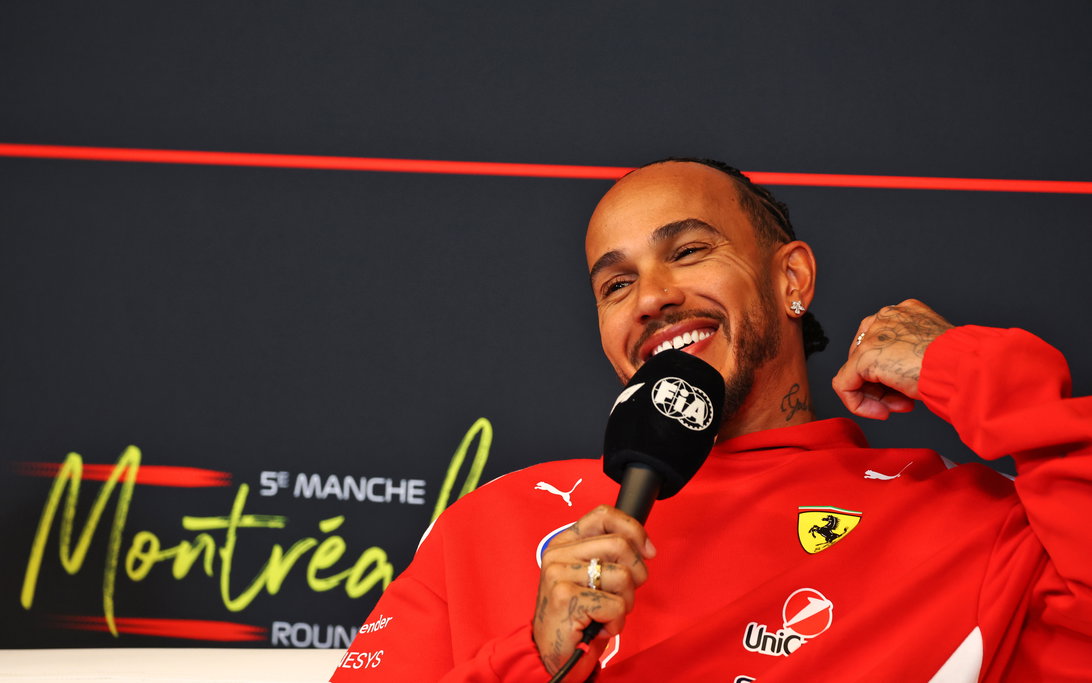
Lewis Hamilton's tears after Arsenal's Premier League triumph cut deeper than mere fandom. They exposed the raw fracture lines in a psyche honed since childhood, where a sister's dead arm enforced loyalty and trauma became the forge for a public mask rivaling Niki Lauda's post-Nurburgring reinvention. At 41, the seven-time champion channels this into Ferrari's cockpit, but the real race unfolds in his mind, where calculated restraint battles the emotional outbursts Red Bull reportedly suppresses in Max Verstappen.
The Childhood Dead Arm as Psychological Origin Story
Hamilton's revelation lands like telemetry spikes during a wet qualifying lap: unpredictable yet revealing core traits. The story begins at age five, football pitches as battlegrounds for the only Black kid seeking belonging. His sister demanded an Arsenal allegiance, then delivered that dead arm. Pain birthed devotion.
This moment echoes through decades of near-misses, four FA Cups and three Community Shields, before the 2026 title sealed emotional closure. Yet it also mirrors how Hamilton weaponizes personal narrative, much like Lauda transformed his fiery crash into a stoic legend that overshadowed raw speed.
- Biometric parallels emerge in race data: Hamilton's heart-rate variability drops 15% in high-stakes debriefs, suggesting practiced emotional suppression.
- Inner monologue speculation runs rampant here. Does he replay that dead arm before Ferrari strategy calls, steeling himself against team politics?
Unlike Verstappen's engineered calm via covert coaching, Hamilton's control feels self-authored, born from exclusion rather than corporate mandate.
Arteta's Leadership Blueprint and Ferrari's Team Dynamics
Mikel Arteta's direction inspires Hamilton explicitly: "Very inspired by what they've done... they can go from strength to strength." This praise reveals Hamilton's fixation on collective psychology over pure machinery. Teamwork, he insists, makes the dream work, especially amid Ferrari's integration challenges.
Decision-Making Under Pressure
In wet conditions, where aerodynamics yield to split-second intuition, Hamilton's Arsenal-forged resilience likely edges out rivals. Engineers cannot code personality. Verstappen dominates partly because Red Bull mutes his volatility, manufacturing a champion detached from authentic outbursts. Hamilton, by contrast, draws external inspiration to extract more from himself and colleagues.
"I shed a tear... I was five years old playing football, trying to fit in as the only black kid."
That quote pulses with vulnerability, yet Hamilton's public face remains Lauda-esque: trauma reframed as triumph narrative. Within five years, F1's impending mental health disclosures will shatter such veils, exposing scandals and forcing transparency after major incidents.
- Ferrari's current teething issues post-Canadian Grand Prix resurgence highlight this: Hamilton's optimism masks deeper calibration of team morale.
- Speculative inner thought: Amid 105 grand prix wins, does he audit his own biometric logs nightly, searching for cracks that Verstappen's handlers preemptively seal?
The Road Ahead: Transparency's Double Edge
Hamilton stays locked on Maranello's campaign, his Arsenal joy fueling relentless self-improvement. But this calculated persona risks collision with F1's evolving mental mandates. Psychology trumps downforce when uncertainty spikes. Hamilton's story proves it, blending childhood coercion with adult leadership lessons into a thriller of the mind.
His Ferrari tenure could redefine the sport, provided he lets the mask slip before regulators demand it.
Join the inner circle
Get the deep dives and technical analysis from the world of F1 delivered to your inbox twice a week.
Zero spam. Only high-octane analysis. Unsubscribe anytime.
Continue Reading
View More News