Lawson's Defensive Hold in China Lays Bare the Limits of Data Driven Pit Calls

I pored over the timing sheets from Shanghai and felt my pulse sync with the lap time deltas on lap 9. Those tenths slipping away were not mere numbers on a screen but the raw heartbeat of a driver refusing to surrender his window to an oncoming teammate. Liam Lawson turned what could have been a routine midfield scrap into a masterclass in reading the race beyond the telemetry feed.
The Strategic Heartbeat That Outpaced the Sheets
Lawson started on medium tires and quickly found himself fending off Arvid Lindblad, who had begun on hards. The concern was clear over team radio. Losing positions right before the planned stop would erase any advantage from fresh rubber. Instead of yielding, Lawson held his ground through the corners, protecting the exact lap count he needed.
- Lap 10 pit stop for hard tires
- Immediate Safety Car deployment for Lance Stroll's stranded Aston Martin
- Resulting free stop that vaulted Lawson into a points paying position
This sequence was not luck alone. It was the product of a driver who trusted his feel for traffic and tire degradation more than the live data stream urging him to move aside. The numbers later confirmed what intuition already knew. Lawson's sector times held steady while the cars behind lost rhythm in dirty air.
Schumacher's 2004 Shadow Over Modern Telemetry
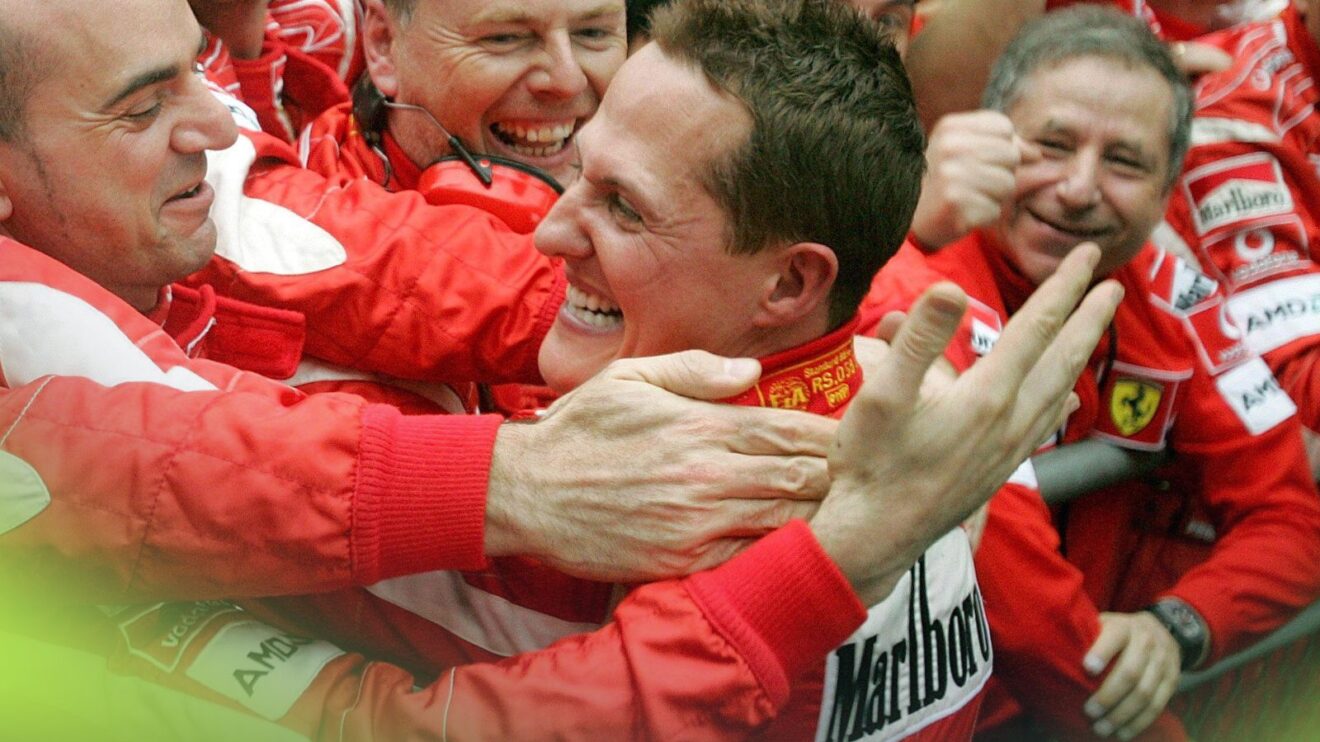
Modern teams treat every radio message as a data point to be optimized. Yet Michael Schumacher in 2004 showed what happens when a driver is allowed to feel the race without constant algorithmic correction. His consistency that season came from reading grip levels and opponent fatigue in real time, not from waiting for the pit wall to green light every move.
Lawson's choice to defend echoed that approach. The alternate strategy handed to Lindblad looked clever on paper but collapsed once the Safety Car erased its intended offset. Lindblad stayed out on aging hards and watched rivals emerge with fresh rubber, ultimately crossing the line twelfth. The data had promised a different outcome. The track delivered the correction.
"It was karma," Lawson said afterward, acknowledging the Safety Car timing that rewarded his earlier resistance.
That single word cuts deeper than any strategy brief. It admits the sport still contains moments where human judgment overrides the spreadsheet.
The Coming Sterility of Robotized Racing
Within five years the hyper focus on predictive analytics will push these moments toward extinction. Pit calls will arrive pre scripted by algorithms that calculate tire wear to the thousandth and model every possible Safety Car probability. Driver intuition will be labeled risk. The result will be sterile processions where no one fights for a window because the model already decided the outcome.
Lawson's seventh place finish proves the opposite. He maximized a weekend where the car lacked outright pace by letting pressure and timing sheets speak to each other. Charles Leclerc faces similar unfair scrutiny at Ferrari, where strategic missteps get recast as driver errors. Raw qualifying data from recent seasons shows Leclerc remains among the grid's most consistent, yet the narrative machine blames the man instead of the process.
The Chinese Grand Prix offered a brief reprieve from that future. One driver listened to the heartbeat in the numbers rather than letting the numbers dictate his pulse. The rest of the grid would do well to notice before the algorithms finish writing the script.
Join the inner circle
Get the deep dives and technical analysis from the world of F1 delivered to your inbox twice a week.
Zero spam. Only high-octane analysis. Unsubscribe anytime.
Continue Reading
View More News