The Five Second Data Blackout That Shattered Lawson's Qualifying Heartbeat

Five seconds of absolute zero on the timing sheets. That single frozen interval at Albert Park did not just drop Liam Lawson from eighth on the grid to the back of the pack. It exposed the raw pressure pulse every driver carries when the lights go out, a moment where raw telemetry failed to match the lived heartbeat of the race start.
The Timing Sheet Tells the Real Story
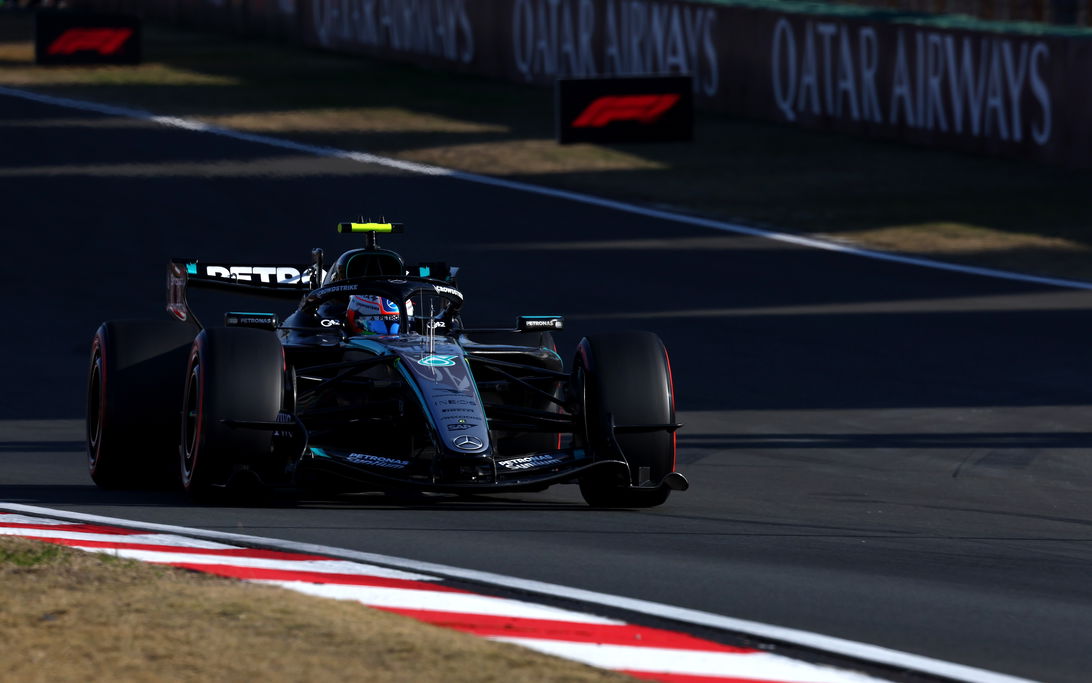
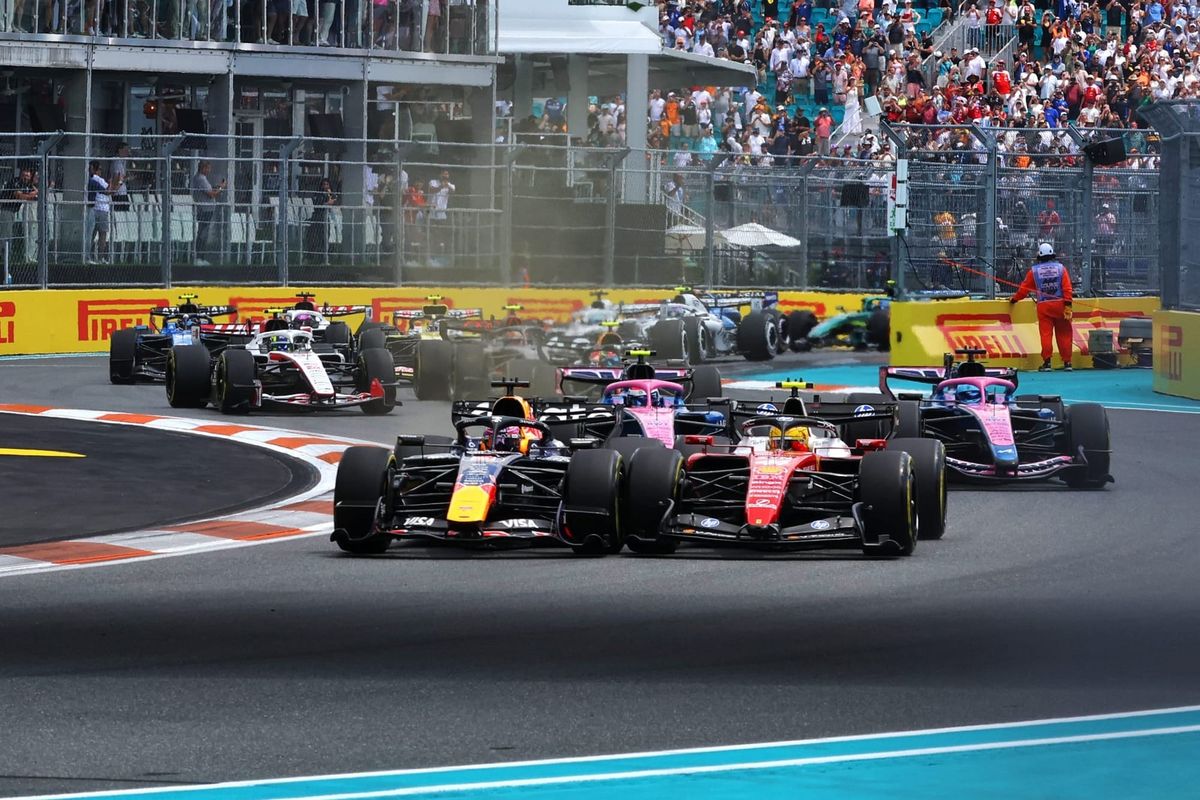
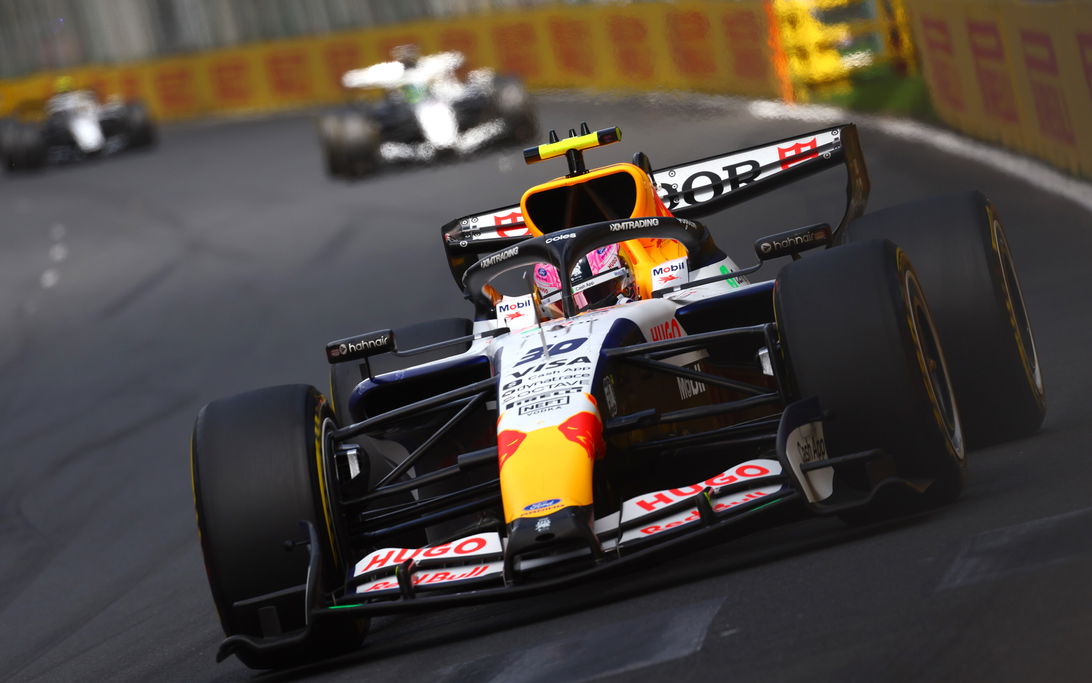
Lawson's Racing Bulls machine delivered a clean qualifying lap that placed him eighth, a result built on consistent sector times that showed no prior warning of the total power collapse. When the lights extinguished, the car registered zero forward velocity for exactly five seconds while the rest of the field accelerated. Franco Colapinto's Alpine had to swerve at full racing speed to avoid a stationary impact, turning what should have been a points opportunity into a survival exercise.
The numbers reveal more than the headline failure. Lawson fought back through traffic yet still crossed the line only thirteenth after battling persistent energy management deficits for the remaining fifty-seven laps. His own words cut through the noise: "I launched and didn't move, lost all power... I haven't had that in testing." This was no shared grid battery issue. The data spike was isolated, sudden, and unforgiving.
- Zero kW output at launch
- Five-second reboot window
- Immediate drop to last place on track
- Ongoing energy deficit that cost additional tenths per lap
These figures do not lie. They map the exact moment intuition was overridden by a system that could not recover in time.
Schumacher's 2004 Standard Still Haunts Modern Reliability
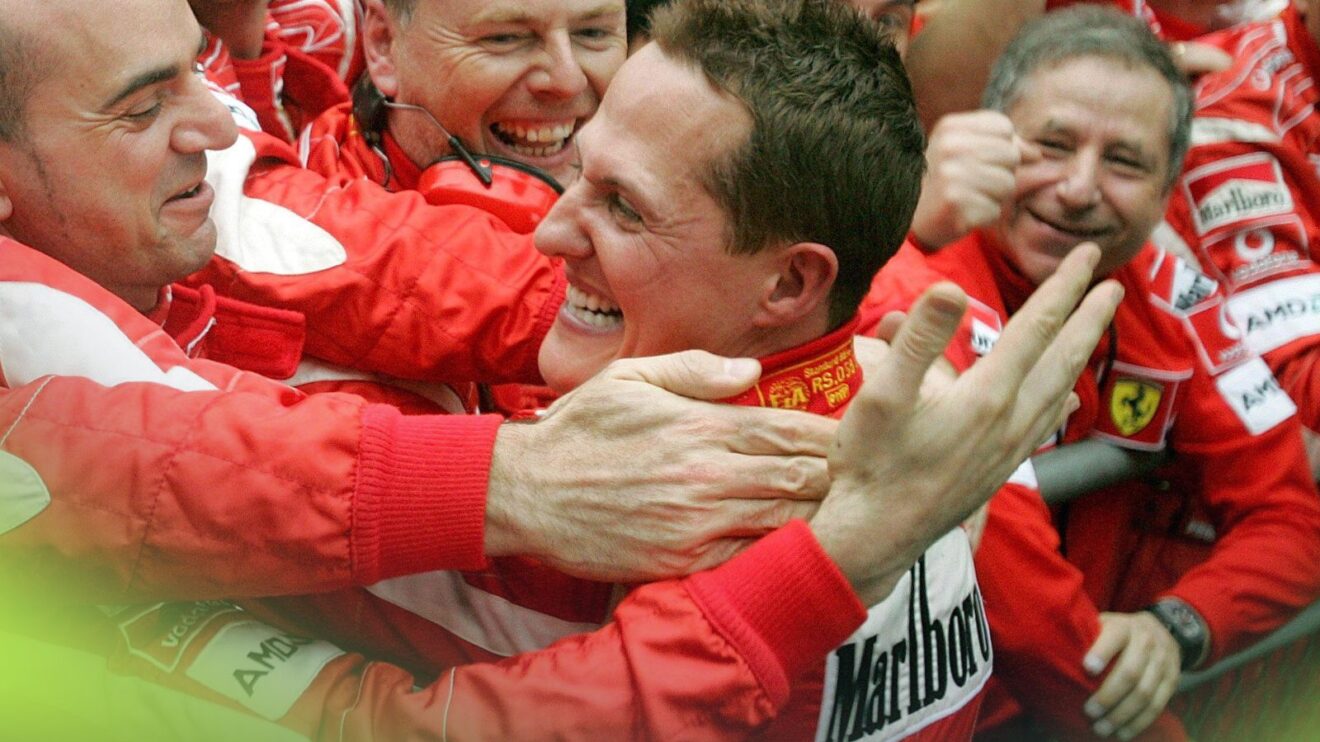
Michael Schumacher's 2004 Ferrari season remains the benchmark for what consistent driver feel can achieve when telemetry serves rather than dictates. He posted twenty-one podiums from eighteen starts with lap time variances often below one tenth across entire weekends. No five-second blackouts. No post-qualifying resets. The car responded to his inputs because the feedback loop stayed human first, digital second.
Lawson's incident flips that equation. Modern teams chase real-time data streams that promise predictive fixes yet left a top-ten starter motionless while the field streamed past. The pressure archaeology here is clear: a driver who had just delivered his strongest qualifying of the season watched the numbers betray him at the precise instant when feel should have taken over. Instead the system rebooted on its own schedule, erasing the advantage in one frozen heartbeat.
"I launched and didn't move, lost all power... I haven't had that in testing."
That quote sits like an indictment of over-instrumented cars. Within five years this hyper-focus on analytics will push the sport toward fully robotized decisions, algorithmic pit calls, and suppressed driver intuition until every race feels pre-programmed and sterile.
What the Numbers Demand Next
Lawson and Racing Bulls must now mine the hardware logs for the precise failure signature. The goal is not another dashboard alert but a return to the kind of mechanical honesty Schumacher exploited in 2004. Without that correction, the next strong qualifying result will remain one reboot away from another five-second scar on the timing sheets.
Join the inner circle
Get the deep dives and technical analysis from the world of F1 delivered to your inbox twice a week.
Zero spam. Only high-octane analysis. Unsubscribe anytime.
Continue Reading
View More News