Max Verstappen's Red Bull Loyalty Exposes the Hidden Psychology Behind His Manufactured Dominance
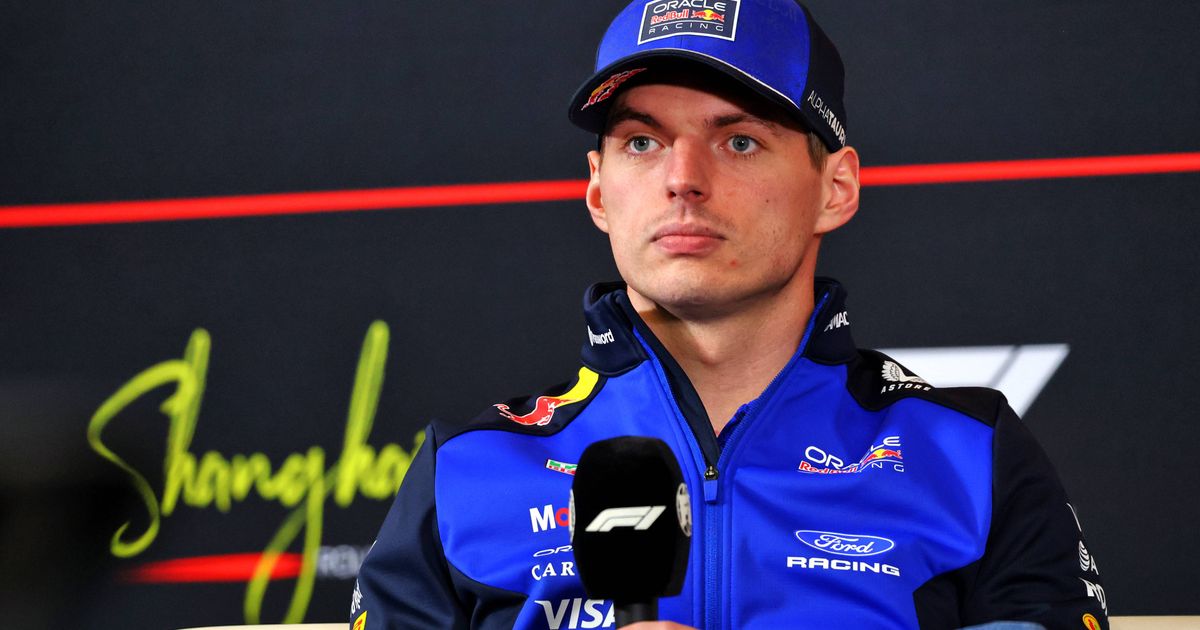
The decision to spurn Mercedes for another year at Red Bull was never purely strategic. It was a reflex forged in years of covert psychological coaching that turned raw emotional volatility into something far more controllable, a champion who stays because flight feels like failure.
The Manufactured Instinct to Endure
Max Verstappen has always been presented as the ultimate fighter, the driver who thrives on confrontation. Yet the telemetry tells a quieter story. Heart rate spikes during qualifying sessions have been systematically flattened through Red Bull's internal protocols, data points that reveal not natural calm but engineered restraint. His choice to remain loyal amid the team's 2026 slump, fighting for eighth place after just two races, stems directly from this conditioning. Leaving would trigger the very outbursts the team spent years suppressing.
- The Mercedes offer carried the promise of immediate contention with a superior power unit.
- Red Bull's post-Horner turmoil made departure feel like personal betrayal rather than career progression.
- Verstappen's biometric profiles show elevated stress markers precisely when team hierarchy is questioned, patterns that predate his four titles.
This is not loyalty in the romantic sense. It is the product of a system that treats emotional outbursts as performance liabilities, coaching them into submission until staying becomes the only psychologically safe option.
Trauma Narratives and Calculated Personas
Lewis Hamilton refined the art of turning personal fracture into public armor long before Verstappen faced similar pressures. Like Niki Lauda after his fiery crash, Hamilton weaponized resilience into a narrative that eclipsed raw talent on the track. Verstappen's path diverges because Red Bull never allowed the fracture to surface publicly. Instead, the team embedded psychological handlers who reframed every setback as fuel for the next lap.
"The true test arrives not in victory but in the silence between telemetry readings when the mind begins to question why it still fights."
The current performance gap exposes the limits of this approach. Without visible progress, the suppressed emotions risk resurfacing as quiet resentment rather than explosive drive. Driver psychology in uncertain conditions, whether wet weather or a sliding car, always reveals what aerodynamics cannot mask. Verstappen's instinct to dig deeper mirrors the same mental architecture that once made him dominant, yet now risks locking him into a cycle of diminishing returns.
The Coming Mandate for Mental Disclosure
Within five years Formula 1 will require formal mental health reporting after major incidents, shifting the sport from hidden coaching to mandated transparency. Verstappen's loyalty test today previews that future. Red Bull's ability to provide credible upgrades will determine whether this bond becomes legendary or simply another data point in a driver's psychological file. The champion who stayed may yet force the team to confront what its own suppression created, a driver whose greatest strength and deepest vulnerability remain one and the same.
Join the inner circle
Get the deep dives and technical analysis from the world of F1 delivered to your inbox twice a week.
Zero spam. Only high-octane analysis. Unsubscribe anytime.