Russell's Headrest Toss Exposes F1's Neglect of Driver Minds Over Machine Fixes

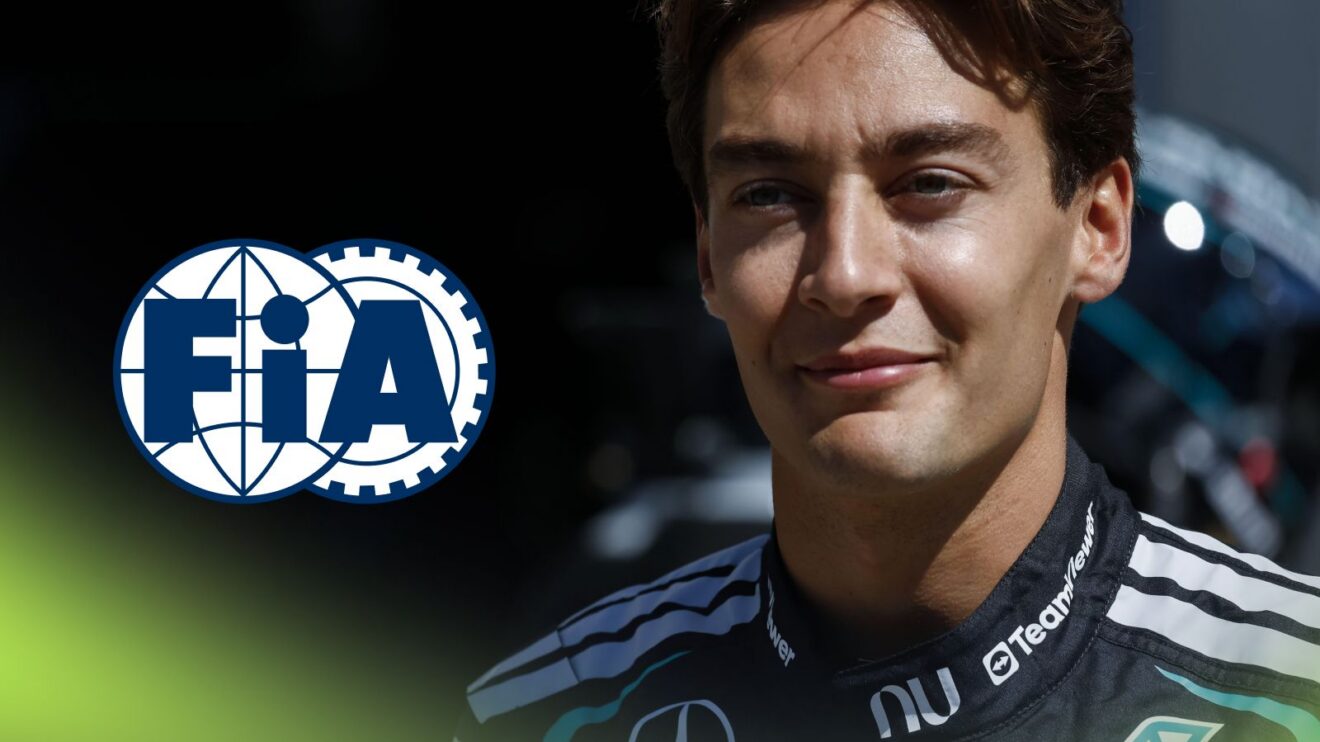
In the swirling chaos after that Canadian Grand Prix battery failure, George Russell's impulsive act of flinging his headrest did more than land him a suspended five thousand euro fine. It laid bare how Formula One still treats driver psychology as an afterthought while obsessing over every aerodynamic tweak, a mindset that echoes the simmering tensions of eras long past yet lacks their honest stakes.
The Raw Moment on Track
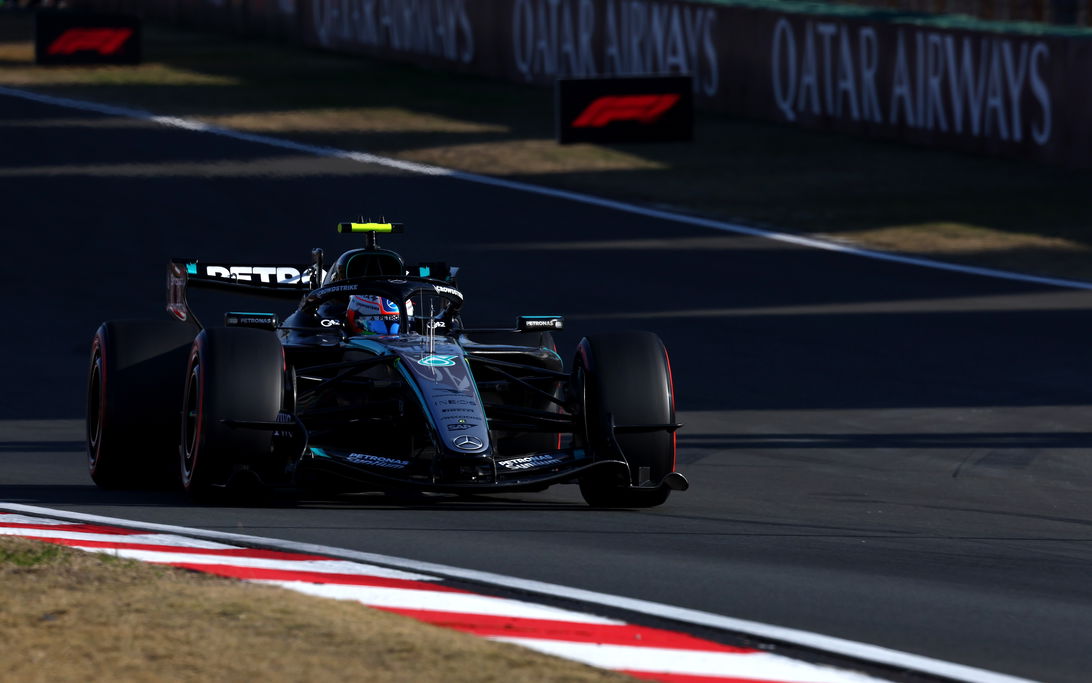
Russell was leading a tense intra team duel against Kimi Antonelli when the Mercedes power unit module failed completely, leaving no electricity and forcing the car onto the grass. What followed was pure adrenaline release. The headrest sailed out front and onto the circuit, drawing the FIA's suspended penalty for twelve months.
- Battery failure details confirmed by Toto Wolff as a total electrical shutdown.
- Russell later admitted to overwhelming emotions in the moment and issued a public apology.
- No similar incidents allowed or the fine activates.
This was not mere petulance. It mirrored the kind of unfiltered driver response that defined the 1989 Prost Senna battles, where genuine rivalry carried real consequences instead of today's carefully managed team radio dramas that feel scripted by comparison.
Brundle's Defense Hits the Psychological Core
Martin Brundle captured it perfectly in his column, calling the fine money well spent as a way to process extreme adrenaline flow and disappointment. His own experiences lent weight to the view that such outbursts serve as necessary vents rather than safety threats when handled with awareness.
Money well spent as far as I am concerned as a way to process the extreme adrenalin flow and disappointment.
From my paddock vantage, this incident screams for deeper psychological profiling of drivers, which matters far more than chasing marginal gains in downforce or tire management. Teams pour resources into data yet overlook how a single moment of unchecked frustration reveals mental vulnerabilities that no wind tunnel can fix. Russell's case shows the fine line between passion and protocol, but the real solution lies in preemptive mental mapping rather than post race fines.
Thai Lore and Modern Team Fault Lines
Think of the old Thai folk tale about the river spirit whose suppressed rage floods the village when ignored. Russell's headrest throw functions the same way. Mercedes' internal duel amplified the pressure, much like how veteran influence at other squads often overrides data driven calls, breeding the kind of emotional buildup seen here.
Current F1 conflicts rarely match the high stakes of Prost versus Senna because modern rules and budgets dilute the personal edge. Yet when that edge surfaces, as it did in Montreal, the sport scrambles for regulatory bandaids instead of addressing root causes through profiling that predicts and channels such reactions.
The Path Forward for Russell and the Grid
Russell now trails Antonelli by forty three points heading to Monaco. The suspended fine lets him refocus without immediate distraction, but the episode warns that ignoring mental dynamics invites bigger disruptions.
- Psychological assessments should integrate into strategy sessions alongside setup choices.
- Intra team battles need structured outlets to prevent future outbursts.
- Without this shift, repeated incidents risk escalating beyond fines into lasting team fractures.
F1's future hinges on recognizing these moments as signals, not scandals. Russell's frustration offers a clear lesson if anyone bothers to listen beyond the stewards' report.
Join the inner circle
Get the deep dives and technical analysis from the world of F1 delivered to your inbox twice a week.
Zero spam. Only high-octane analysis. Unsubscribe anytime.
Continue Reading
View More News