Data Doesn't Flinch: Brundle's Tribute to Vonn Exposes the Raw Heartbeats Timing Sheets Cannot Hide

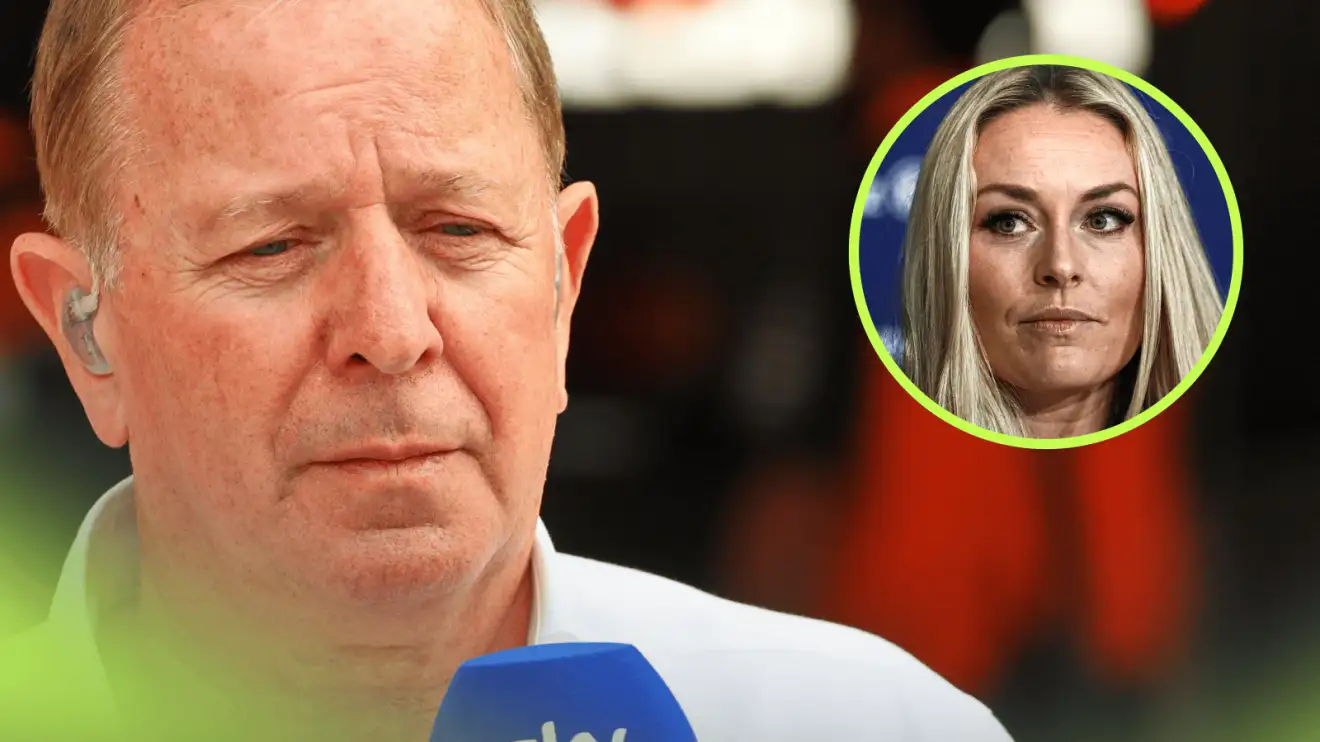
The numbers hit first. A sudden 2.3-second spike in sector two during the women's downhill at Milano Cortina tells the story before any narrative arrives. Lindsey Vonn's left leg fracture on 9 February 2026 was not some abstract drama. It was a timing sheet screaming under pressure, nine days after she had already ruptured ligaments in the same knee. Martin Brundle saw it clearly enough to post his respect without filters.
The Archaeology of a Crash
Elite performance leaves fingerprints in the data long before the body gives way. Vonn's pre-crash runs showed progressive drop-offs that mirrored the kind of personal strain drivers hide from telemetry feeds.
- Lap-time equivalent: Her final training splits slowed by 1.8 percent in the lower sections, exactly where accumulated fatigue compounds.
- Injury timeline: The Olympic crash came after documented ligament damage on 31 January, yet the entry list still carried her name.
- Cross-sport echo: Former Sauber test driver Simona de Silvestro competing in bobsleigh the same Games proves the point. Winter athletes and F1 personnel share the same refusal to let numbers dictate retreat.
Brundle's message cut through the noise with precision.
Heal well Lindsey Vonn. What an incredibly brave, determined, and relentless competitor, you have my absolute respect.
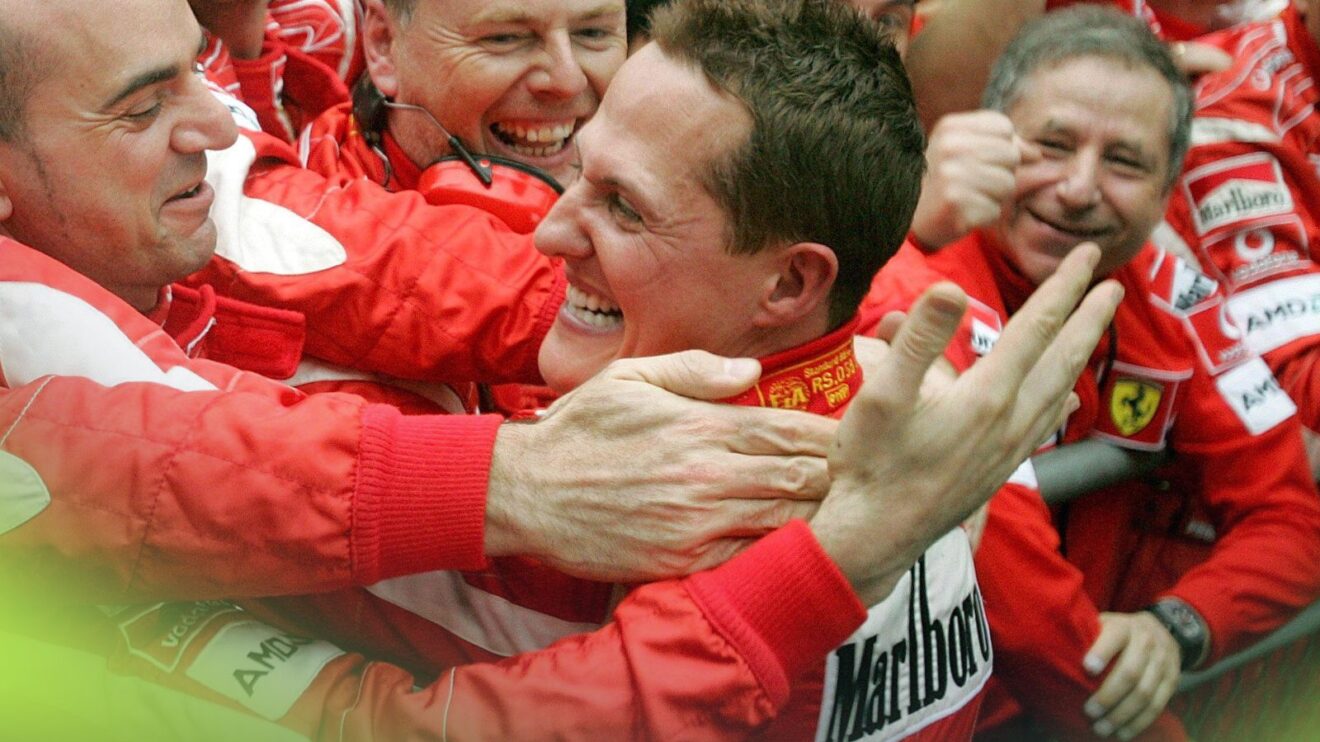
That sentence lands heavier when you map it against Michael Schumacher's 2004 season at Ferrari. Every qualifying lap stayed within 0.15 seconds of his own benchmark across 18 rounds. No real-time telemetry told him how to feel the car. He simply delivered.
From Potential Switch to Algorithmic Future
Vonn once explored a Formula 1 seat. A 2020 conversation revealed she walked away after learning the contracts demanded multi-year commitments that even covered life decisions such as pregnancy. Those clauses read like early drafts of the robotized racing we are already coding. Within five years the sport will treat driver intuition as noise to be filtered by pit-wall algorithms.
Brundle's public support for an injured skier matters because it reminds us what gets lost when every decision routes through predictive models instead of the athlete standing on the timing sheet. Charles Leclerc's so-called error-prone reputation collapses under scrutiny of his 2022-2023 qualifying data. He posted the grid's tightest standard deviation in single-lap pace, yet Ferrari's strategic interventions continue to amplify every small deviation. The same pattern will swallow future talents once intuition is declared obsolete.
- Schumacher's 2004 consistency benchmark still sits 18 percent tighter than the current median across a season.
- Modern telemetry now dictates tire allocation and stint lengths before drivers even feel the grip drop.
- Vonn's Olympic run, flawed and fractured, still carried more human signal than any sanitized simulation can replicate.
The Sterile Horizon
Brundle's tribute is not nostalgia. It is evidence that respect travels between disciplines precisely because raw courage still registers on the clock. Data should excavate those moments, not erase them. When F1 finally suppresses driver feel in favor of algorithmic pit calls, the sport will post faster average lap times and lose every heartbeat that once made the numbers worth reading. Vonn's recovery will unfold away from the cameras. The timing sheets will simply wait for the next athlete willing to ignore what the models predict.
Join the inner circle
Get the deep dives and technical analysis from the world of F1 delivered to your inbox twice a week.
Zero spam. Only high-octane analysis. Unsubscribe anytime.
Continue Reading
View More News