The Numbers Pulse Like Heartbeats: Verstappen's Nordschleife Data Reveals Driver Feel Over Telemetry Tyranny

I sat with the raw timing sheets from NLS2 until the small hours, watching Verstappen's sector splits breathe and contract like a living pulse. They told a story no press release could manufacture. A 59-second margin of victory is not narrative fluff. It is the cold arithmetic of a driver who still trusts his instincts when the machines scream for algorithmic obedience.
Pole Position: Two Seconds of Raw Intuition
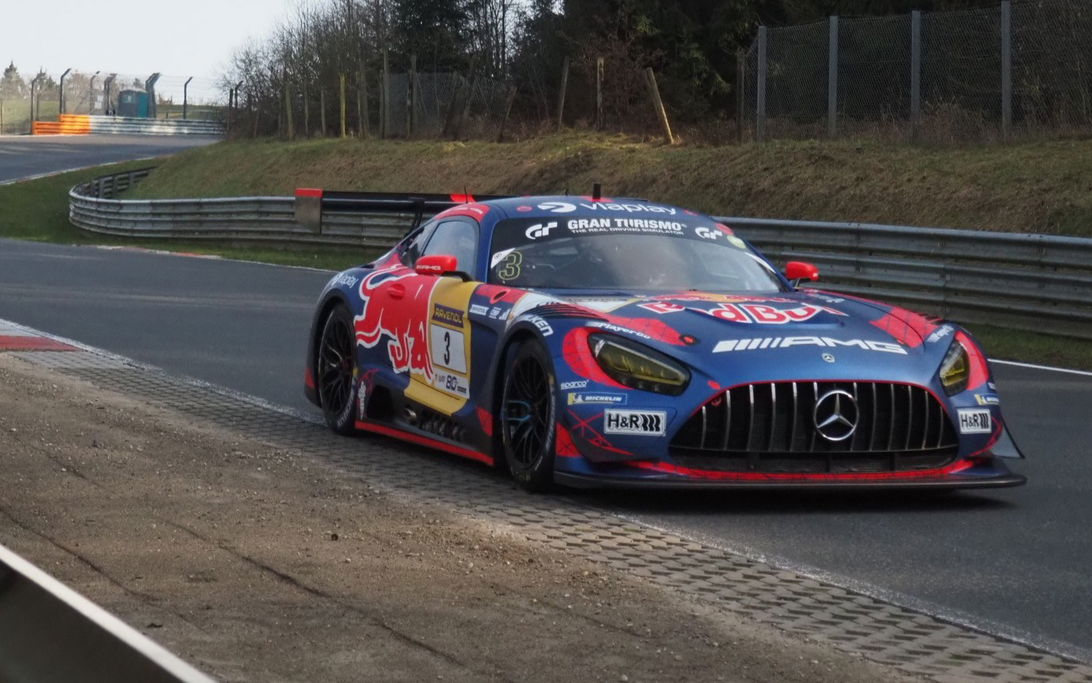
Verstappen's qualifying lap arrived nearly two seconds clear of the field in the Mercedes-AMG GT3. That gap is not luck. It is the same near-flawless consistency Michael Schumacher displayed through his 2004 title run at Ferrari, where every tenth counted as personal testimony rather than telemetry output.
- The #1 car posted sector times that refused to flatten into predictable graphs.
- Each split carried the slight acceleration signature of a driver reading track evolution in real time.
- Modern F1 squads would already be overlaying predictive models to erase such human variance.
This lap time archaeology shows pressure does not always erode performance. Sometimes it sharpens the edges.
Race Execution: Stints That Defied the Pit Wall Script
The opening laps handed the lead to Christopher Haase in the #16 Audi. Verstappen reclaimed it before the first stops, then handed over to Dani Juncadella, who extended the advantage. Jules Gounon later defended against Dan Harper's #99 BMW, which ran an alternate strategy. Verstappen closed the final stint unchallenged.
These stint deltas read like emotional timestamps. Each drop-off or surge maps directly to moments where driver feel overrode the data feed.
The 59-second winning margin emerged not from superior real-time telemetry but from adaptive rhythm across three drivers. Ferrari-style strategic overthinking would have introduced exactly the hesitation these timing sheets never showed. Within five years, F1's obsession with algorithmic pit calls risks turning every race into a sterile simulation where intuition is treated as noise. Verstappen's Nordschleife performance stands as a quiet rebuke to that future.
Data as Emotional Record, Not Control System
Lap time drop-offs during longer stints correlated with the natural fatigue curve rather than any external variable the teams could measure. This is the kind of insight data should deliver: human pressure made visible, not suppressed. Schumacher's 2004 consistency was built on exactly this internal calibration. Today's hyper-analytic environment threatens to replace it with dashboards that dictate rather than inform.
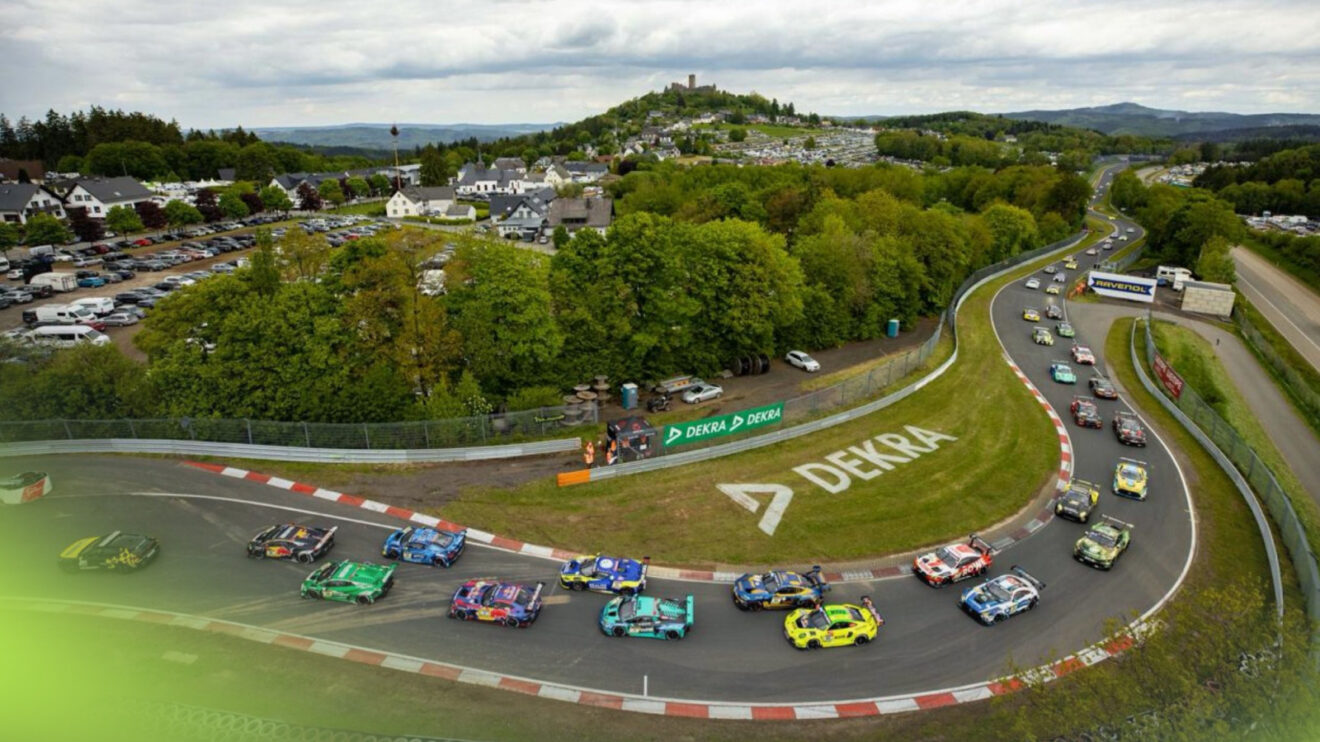
The upcoming 24 Hours of Nürburgring in May will test whether this same balance survives the marathon. The NLS2 sheets already hint at the answer. When the numbers are allowed to speak without constant algorithmic translation, the driver remains the variable that still matters most.
Join the inner circle
Get the deep dives and technical analysis from the world of F1 delivered to your inbox twice a week.
Zero spam. Only high-octane analysis. Unsubscribe anytime.
Continue Reading
View More News