McLaren's Mercedes Pact: Aero Excuses Hide a Divorce Brewing in the Paddock

The Shanghai result looked clean on paper but the real story unfolded in the tense debriefs where supplier loyalty meets customer frustration. McLaren clawed back ground with the Mercedes power unit yet still trailed by half a second, and the blame landed squarely on downforce. What the timing screens missed was the undercurrent of team politics that has always decided championships more than any technical fix.
The Qualifying Numbers Tell Only Half the Tale
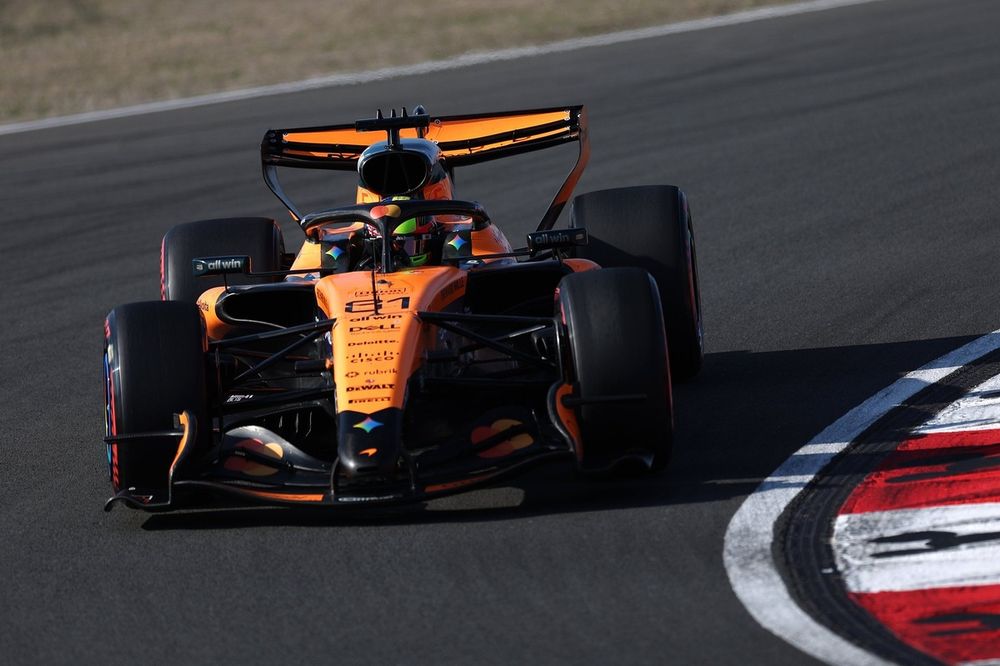
Oscar Piastri slotted into fifth while Lando Norris took sixth in Shanghai, both roughly half a second adrift of pole. The GPS traces showed the MCL40 bleeding time through the opening corners and the medium-speed sections at Turns 7-8 and Turn 16. Stability suffered. Downforce was short. Andrea Stella confirmed the team had halved the power-unit exploitation gap seen in Melbourne, yet the overall deficit stayed almost identical.
- Power unit learning now accounts for roughly 25 percent of the remaining shortfall.
- Aerodynamic load and drag remain the dominant issues.
- First upgrades arrive in May, focused on efficiency rather than raw grip.
These facts sit on the surface. Beneath them lies the customer-works friction that Mercedes naturally exploits.
1994 Benetton Ghosts and Modern Supplier Games
I have watched this script before. The 1994 Benetton squad ran a fuel system that regulators later scrutinized while internal management wars simmered between technical chief and team principal. The car performed, but the politics eventually poisoned morale and results followed the fractures rather than the regulations.
McLaren finds itself in a similar bind with Mercedes. Stella insists there is no dissatisfaction and praises the support from the HPP division, yet he admits a works team always holds the integration edge. That edge is not accidental. It is leverage. Every setup conversation, every mapping file, every calibration carries the subtle reminder that McLaren remains the paying guest. Contract negotiations in F1 resemble divorce proceedings: both sides smile for the cameras while lawyers circle the fine print on data access and upgrade priority.
the gap we have is pretty much similar to what we saw in Australia... This is related to not having enough aerodynamic load.
Stella's words land with quiet precision, but the subtext is louder. The MCL40 is relatively too draggy for the downforce it produces. Fixing that requires more than wind-tunnel hours; it demands Mercedes to share the full picture without reservation. History shows such generosity rarely arrives without strings.
Morale as the True Performance Variable
Team politics and interpersonal dynamics outweigh raw driver skill or the latest aero concept. When engineers sense their supplier is holding cards back, motivation dips. When drivers feel the car is fighting them through every high-speed corner, confidence erodes. These invisible deficits compound faster than any drag coefficient.
Midfield outfits such as Alpine and Aston Martin watch closely. The budget cap, once sold as an equalizer, will be gamed by privateer squads over the next five years. By 2028 the manufacturer-backed teams may find themselves chasing agile independents who spend every permitted euro on chassis harmony rather than political capital. McLaren's May upgrades must deliver more than lap time; they must restore belief that the Mercedes marriage remains worth the compromises.
The Road Through May and Beyond
Power-unit optimization will still yield free gains as drivers and engineers grow accustomed to the unit's unique sensitivities. Yet the decisive battle sits in the wind tunnel and in the closed-door meetings where upgrade allocations are decided. If McLaren cannot extract full cooperation or cannot generate internal cohesion, the aero deficit will persist regardless of new parts.
The championship will not be won by the team with the cleverest mapping file. It will be won by the side whose people still trust one another when the lights go out in Singapore or Abu Dhabi. McLaren knows this truth from bitter history. The question is whether Mercedes remembers it too.
Join the inner circle
Get the deep dives and technical analysis from the world of F1 delivered to your inbox twice a week.
Zero spam. Only high-octane analysis. Unsubscribe anytime.
Continue Reading
View More News