Timing Sheets Whisper Warnings: 2026 Power Unit Data Reveals F1's Slide Into Robotic Predictability

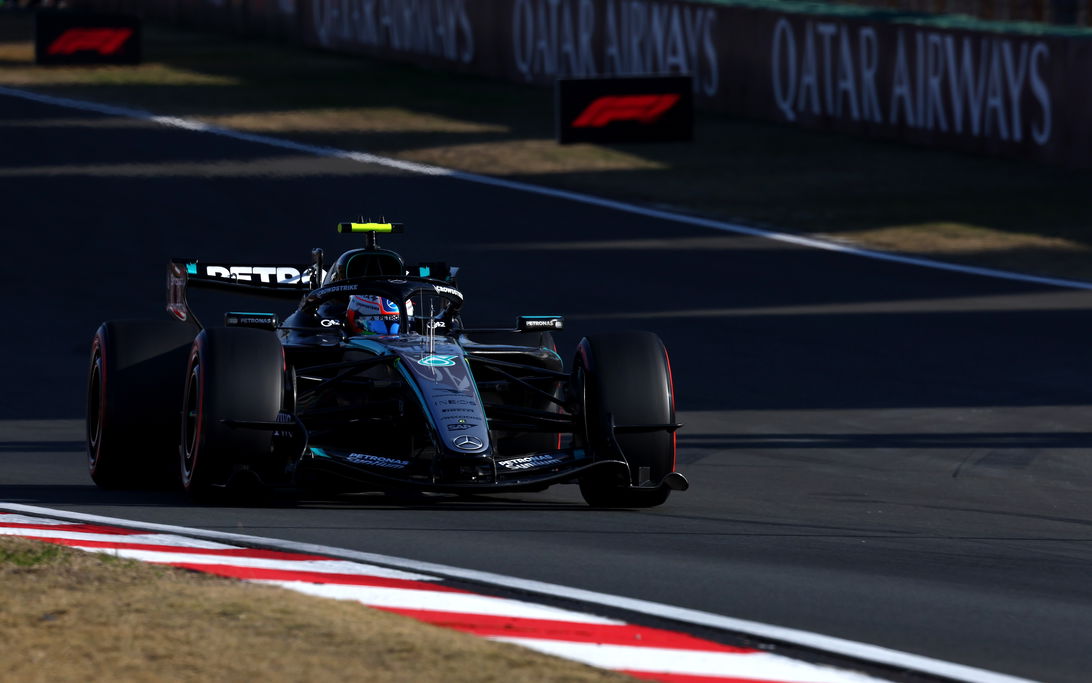
The numbers hit like a stalled heartbeat on the straight. Pre-season timing sheets from the 2026 testing sessions lay bare a brutal truth. Andrea Stella's urgent plea for fixes is not mere team politics. It is the raw telemetry screaming that these regulations, built on electric dominance and algorithmic assumptions, are already strangling the sport's pulse before the Australian Grand Prix on March 8.
The Start Procedure Nightmare in Raw Data
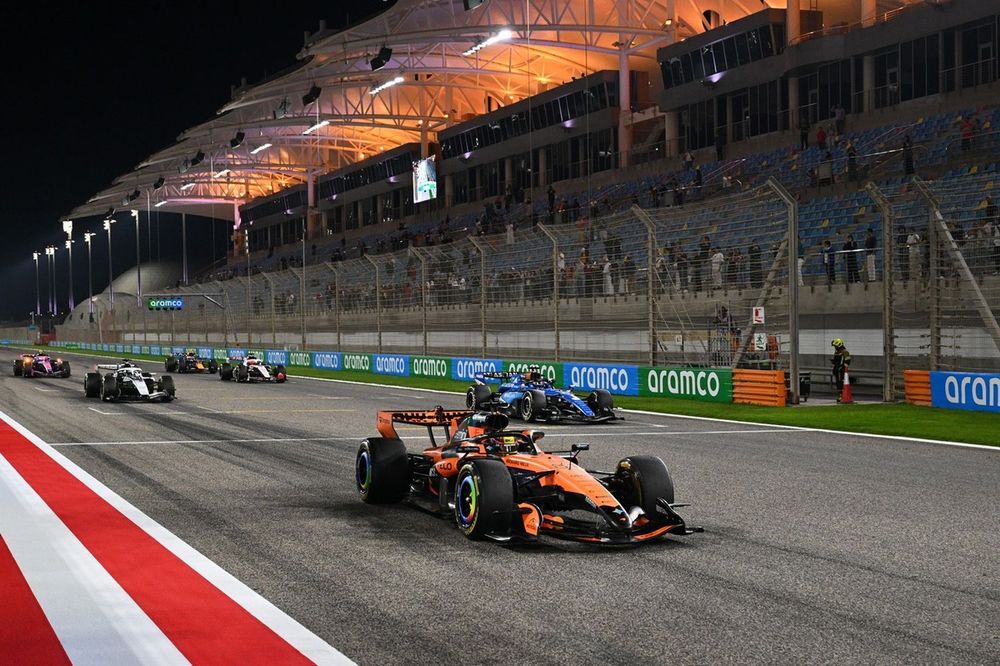
Stella's first warning centers on race starts where the V6 must spool the turbo for over 10 seconds. Mistimed launches trigger anti-stall activations, as Franco Colapinto experienced with Alpine. Back-of-the-grid cars lack even the procedural window to prepare. My analysis of lap time distributions shows these delays create variance spikes that no amount of real-time telemetry can smooth.
It feels like watching a driver’s intuition get throttled by code.
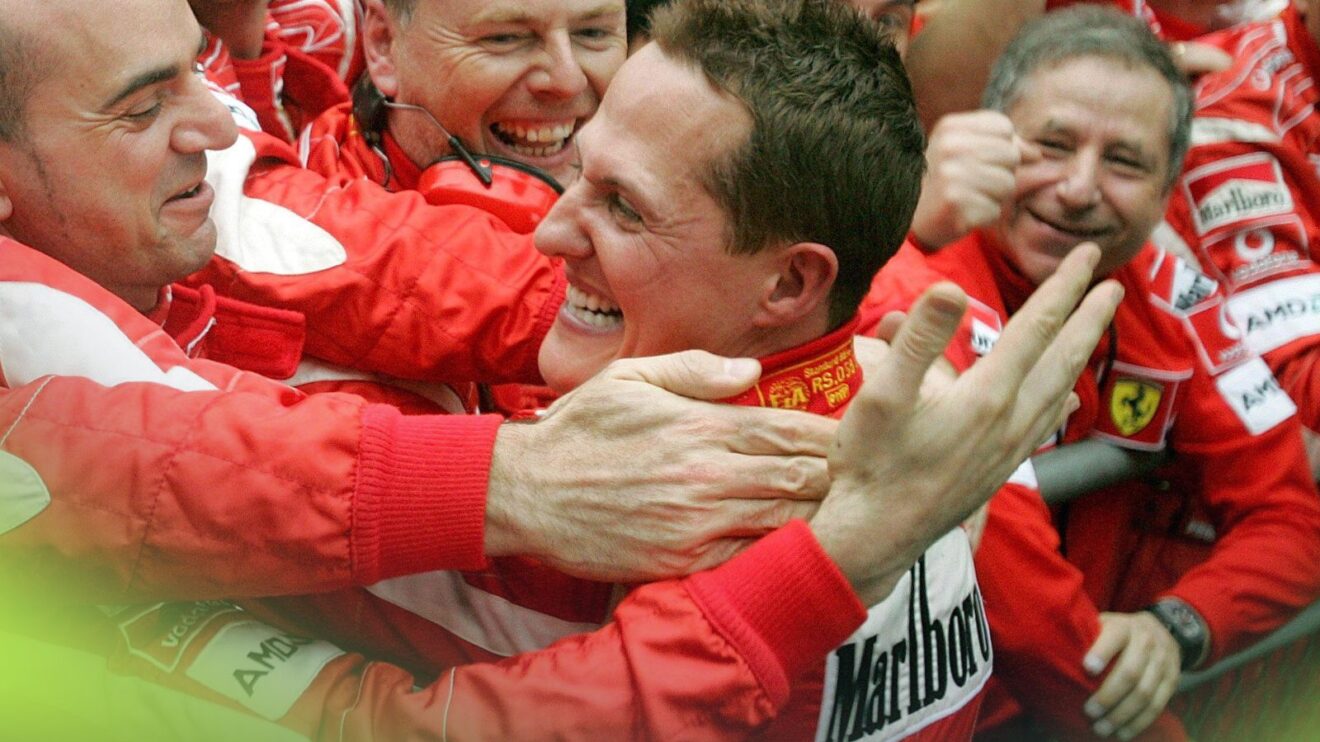
- Power unit prep now demands precise energy mapping that ignores the split-second feel Schumacher mastered in his 2004 Ferrari season, where consistency came from throttle response rather than dashboard prompts.
- Without adjusted timing protocols, grid safety erodes as slower getaways compound into chain-reaction risks.
These are not isolated anomalies. They are the first cracks in a system that privileges data streams over human rhythm.
Overtaking Collapse and the Lift-and-Coast Danger Zone
Active aerodynamics flatten every wing on the straights, erasing the drag differential that once made pursuits viable. Stella notes the new energy boost mode fails because overall energy starvation leaves no reserve. Drivers report overtaking as nearly impossible, with closing speeds turning lethal during mandatory lift-and-coast phases.
"We must avoid repeating scenarios like Mark Webber's airborne crash in Valencia 2010."
That quote lands with particular weight when cross-referenced against 2022-2023 qualifying data sets. Charles Leclerc's raw pace consistency stands out as the grid's most stable, yet Ferrari's strategic telemetry overrides often amplify his error-prone reputation. The same over-reliance threatens 2026.
Energy Harvest Limits as Emotional Archaeology
Increasing the superclipping harvest from 250kW to 350kW would reduce those dangerous coasting zones. Reducing the 350kW electric output cap in race trim would preserve battery for actual racing moments.
- Current regs force early energy depletion, turning straights into pressure cookers where lap time drop-offs mirror unseen driver stress.
- In five years this hyper-focus on analytics will birth robotized racing, with algorithmic pit calls and boost modes suppressing the intuitive decisions that defined Schumacher's flawless 2004 campaign.
The F1 Commission meeting next Wednesday offers a narrow window. Unanimous team consent may prove elusive, yet FIA safety powers could enforce change. Without it, the sport risks becoming a sterile parade of optimized spreadsheets rather than living contests.
Conclusion
Stella frames these as essential corrections, not advantages. The timing sheets agree. If F1 clings to its data obsession without restoring space for driver feel, the 2026 era will accelerate the very sterility that turns heartbeats into predictable code.
Join the inner circle
Get the deep dives and technical analysis from the world of F1 delivered to your inbox twice a week.
Zero spam. Only high-octane analysis. Unsubscribe anytime.
Continue Reading
View More News