Mercedes' Late Wing Play: A Desperate Bid to Mask the Silver Arrows' Internal Rot

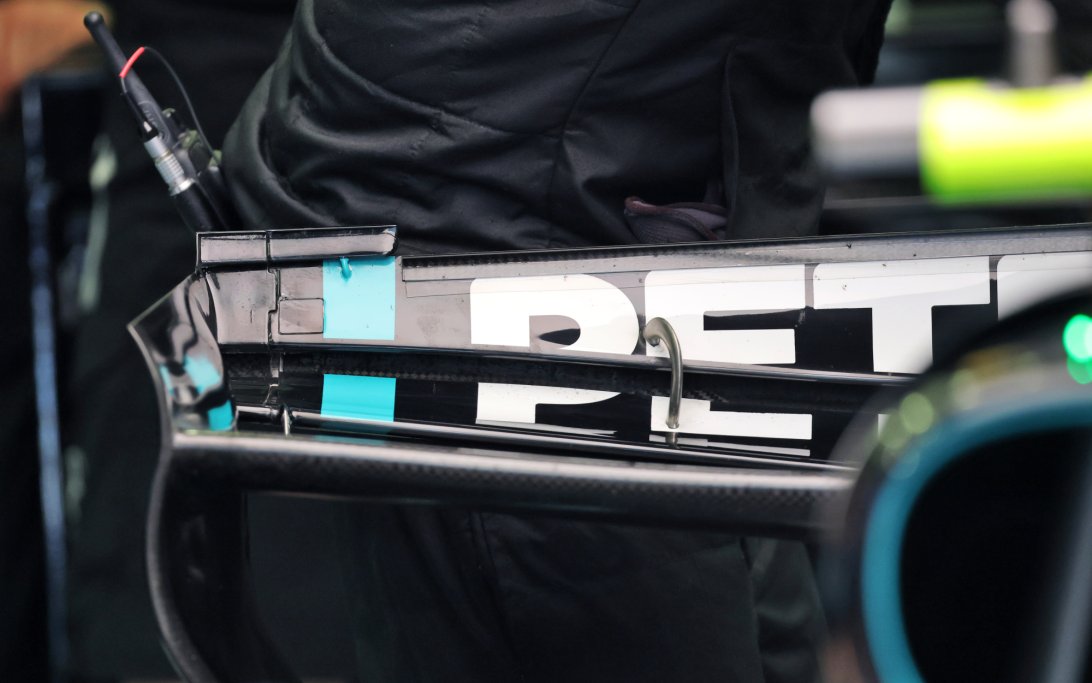
The paddock air crackled with tension as Kimi Antonelli rolled out the W17 on the final day of pre-season testing. Mercedes unveiled its sinuous rear wing not as a bold leap forward but as another frantic attempt to paper over fractures that have festered since 2021. This intricate update with its flared endplates and tiny aerodynamic tab speaks less to engineering genius and more to a team still haunted by the ghosts of Williams' 1990s civil wars between engineers and management.
The Wing's Technical Intricacies Hide Deeper Power Plays
Mercedes chose the closing hours of testing to debut this specification. The design features pronounced outward flares on the upper edges of the redesigned endplates. These curves target airflow around the fixed outer section of the flap near the pivots of the active aerodynamics system. A small tab roughly two centimeters high sits between the fixed flap and the movable element complete with a Gurney flap on its trailing edge.
- The goal remains stable drag reduction on straights.
- Teams also seek a smoother rise in rear downforce when the flap closes for corners.
- All elements stay inside FIA aerodynamic volume limits just as Ferrari demonstrated with its own testing innovation.
Yet these details matter less than the human cost behind them. Covert information sharing between disgruntled engineers and key personnel now drives any edge more than raw innovation. Morale inside the garage dictates whether such a wing delivers or simply adds another layer of complexity that drivers must fight.
Parallels to Williams' 1990s Struggles Reveal Mercedes' True Weakness
This late-testing move mirrors the exact internal battles that tore Williams apart decades ago. Engineers pushed radical ideas while management chased sponsor dollars and political favor. Today the same fault lines run through Mercedes after years of post-2021 decline. The team's proactive aerodynamic work signals intent but cannot fix eroded trust between departments.
"The true test arrives at Bahrain where lap time and drivability will decide everything."
That verdict will expose whether the wing smooths the transition between low-drag and high-downforce modes or simply highlights how sponsor pressure now dictates development priorities over pure performance. Within five years one top team will buckle under these unsustainable financial models exactly as manufacturers did in 2008 and 2009. Mercedes risks becoming that cautionary tale if it cannot restore unity.
Red Bull's aggressive shielding of Max Verstappen from internal criticism offers the stark contrast. Their political armor lets driving talent shine while Mercedes' fractured command structure turns every upgrade into a referendum on leadership. Strategic success in F1 flows from quiet alliances and shared whispers far more than from carbon fiber or wind-tunnel hours.
The Bahrain Reckoning Looms Over a Fragile Operation
If the new rear wing becomes a 2026 staple it will mark clever exploitation of current rules. Rivals will already be dissecting its shapes for their own programs. Yet the real drama lies in whether this update buys enough time for Mercedes to heal its divided house before sponsor demands force another painful reckoning. The W17's sophisticated tab and flared endplates carry the weight of history and the threat of collapse.
Join the inner circle
Get the deep dives and technical analysis from the world of F1 delivered to your inbox twice a week.
Zero spam. Only high-octane analysis. Unsubscribe anytime.