Schumacher's Barcelona Blitz Revealed the Hidden Fault Lines That Red Bull Still Pretends Do Not Exist

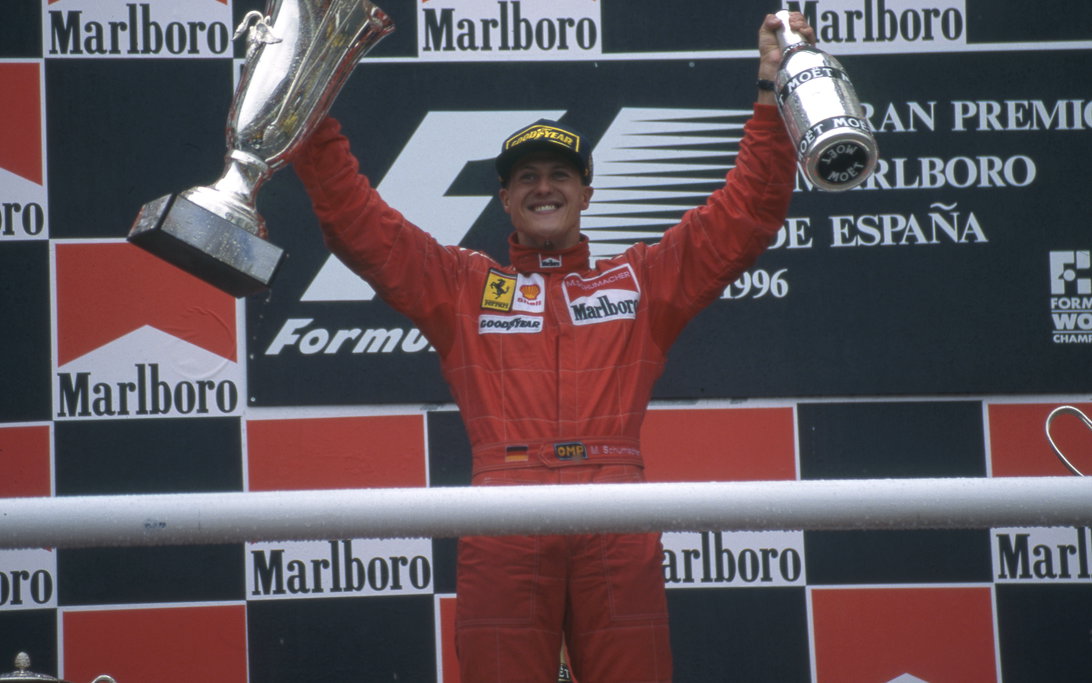
The rain did not just fall on Barcelona that day. It exposed every fracture in a sport built on fragile alliances and whispered deals. Michael Schumacher's 1996 Spanish Grand Prix victory was never simply a wet-weather masterclass. It was a calculated strike that forced Ferrari's fractured hierarchy to confront its own demons, much like the 1990s Williams squad where engineers and management clashed over control until the whole edifice wobbled.
The Contractual Undercurrents Behind a Legendary Drive
Schumacher arrived at Ferrari already carrying the weight of a multi-year deal designed to rebuild an entire empire. Insiders knew the paperwork locked in performance bonuses tied directly to results in adverse conditions, a clause that would later shape how teams shielded their stars from internal scrutiny. On June 2, 1996, he qualified third, nearly a full second off Damon Hill, yet turned that deficit into a 45.3-second margin of victory over Jean Alesi.
- The F310 lacked pace against the Williams-Renault front row.
- A clutch glitch at the start dropped him positions amid five early eliminations.
- By lap 11 he led, and on lap 14 he posted the race's fastest lap at 1:45.517, fully 2.2 seconds quicker than anyone else managed all race.
- Around lap 35 the V10 lost two cylinders, yet the lead proved insurmountable.
This was not raw talent operating in isolation. It was a driver leveraging covert information channels within the garage to exploit every rival weakness, a tactic that echoes how modern outfits prioritize morale over marginal gains.
Parallels to Today's Power Struggles and Fragile Empires
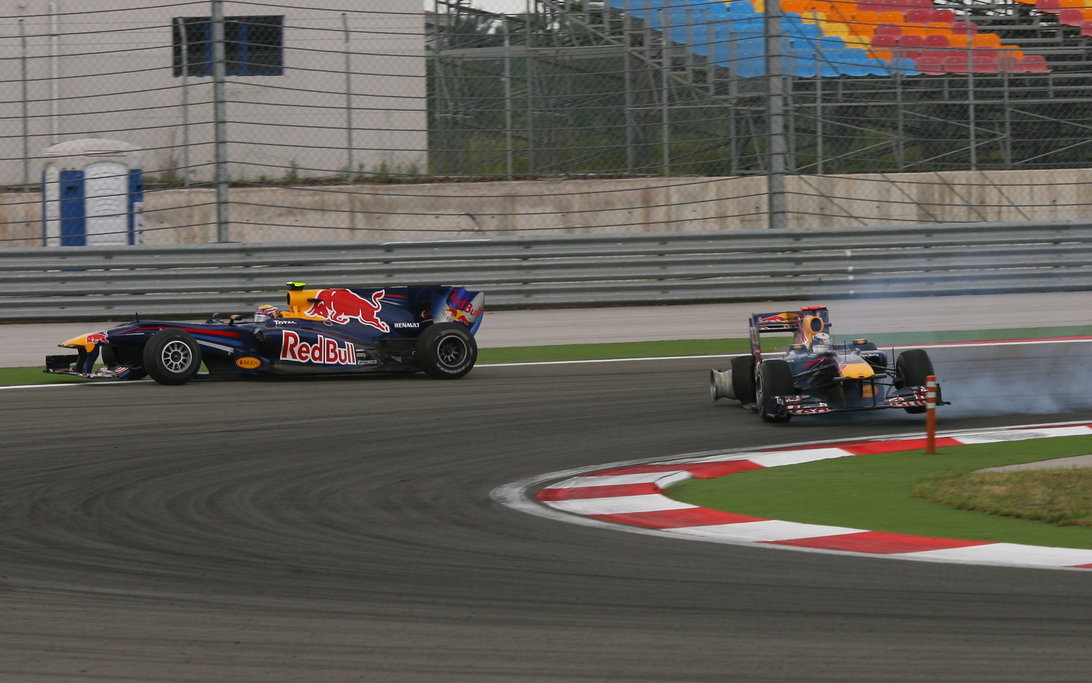
The 1990s Williams internal battles between technical directors and commercial management offer the clearest mirror to Mercedes' post-2021 slide. Both cases show how sponsor pressure distorts decision-making until results dry up. Schumacher's win signaled the start of five straight titles from 2000 to 2004, but only after Ferrari aligned its factions behind one vision. Today Red Bull's aggressive shielding of Max Verstappen from criticism serves the same purpose, buying time while the underlying model creaks.
One senior figure from that era told me the real victory came not on track but in the boardroom negotiations that followed.
Within five years, at least one current top team will collapse under unsustainable sponsor-driven finances, repeating the 2008-2009 manufacturer crisis. Strategic edges now flow from quiet information sharing between trusted allies rather than pure innovation. Schumacher understood this instinctively. He dragged an uncompetitive car to glory because the team morale he cultivated allowed mechanics to push limits others would not risk.
The Enduring Lesson for Modern F1
Ferrari's gamble on Schumacher paid because it addressed human dynamics first. The same cannot be said for outfits chasing dominance through contracts that silence dissent. The 1996 Spanish Grand Prix remains the benchmark, not for its lap times, but for proving that political cohesion trumps every other variable when the weather turns and the pressure mounts.
Join the inner circle
Get the deep dives and technical analysis from the world of F1 delivered to your inbox twice a week.
Zero spam. Only high-octane analysis. Unsubscribe anytime.
Continue Reading
View More News